
10 Sneaker Features That Define Quality, Durability, and Enduring Value
It’s tempting to choose trainers based solely on their appearance in the shop window, but it’s the rarely-seen details beneath the surface that shape true comfort and longevity. While worn uppers, compressed midsoles and faded tread reveal shortcuts in craftsmanship, these subtle warning signs often go unnoticed by most shoppers navigating the high street.
This guide outlines ten essential steps, from matching fit to lifestyle and checking upper materials, to assessing cushioning, grip, and repairability. These checks empower you to distinguish fleeting high street trends from trainers built for lasting comfort, support, and versatility. Use them when trying on or examining pairs to ensure your footwear stands up to both movement and purpose.

1. Choose Trainers That Align With Your Values
Begin by considering where you move most—whether it's city pavements, gym floors, or lively high street strolls. The right trainer should reflect your purpose: flexible at the forefoot and ready for motion if you’re clocking up steps, a firmer profile for steady support during strength sessions, or enhanced lateral stability for versatile, everyday wear. Test the shoe’s response by bending and twisting it—feel for purposeful give where you need it. Press the midsole with your thumb; a balance of firmness and resilience reveals comfort built for lasting impact. Notice the design details: layered materials and varying densities hint at whether the trainer champions agility or stability. Finally, assess the height between your foot and the ground—the stack height—to find your ideal equilibrium between cushioning and a grounded feel.
Match the upper to your pace and environment by considering breathability and structure; mesh with minimal overlays is ideal for high-intensity training, while reinforced uppers with firm heel counters support sports that demand swift direction changes. Waterproof membranes provide reliable weather protection, though may reduce airflow. Test lateral movement and secure lacing to reveal any slipping or pressure points, then try a short run or dynamic drill to observe how the trainers respond under movement. Examine the outsole for grip patterns suited to your terrain, from shallow, smooth treads that excel on indoor courts and tarmac, to deeper lugs and tougher rubber for challenging trails. Multi-directional siping helps maintain grip on wet surfaces. For an optimal fit, ensure there is space at the toes, minimal heel lift when moving at pace, and that the insole can be removed if orthotic support is needed.
Offers responsive, breathable cushioning for fast, all-day movement.

2. Examine Upper Materials for Sustainability and Ethical Origins
When evaluating trainers for quality, pay attention to material and craftsmanship. Vegan and sustainable uppers often showcase subtle variations in texture, reflecting their ethical origins. Materials crafted for longevity tend to develop character over time, while synthetics of lower quality can feel overly smooth or artificial and are less breathable. Examine construction details like uniform stitching, neatly folded or heat-sealed edges, reinforced panels at the toe and heel, and minimal use of adhesives. Flaws such as uneven stitching, raw edges, or excessive visible glue may signal shortcuts in manufacturing and can lead to early wear. Choosing mindfully crafted footwear is a step towards a more responsible wardrobe.
To ensure your trainers stand up to daily life, check colourfastness by gently rubbing a damp white cloth on a hidden spot, watching for any dye transfer. Assess finishing details such as seams and overlays for loose fibres or early signs of wear. Breathability matters—look for features like perforations, open-mesh panelling, and moisture-wicking linings to help reduce sweat build-up and keep feet comfortable. When it comes to ethics and sustainability, seek out clear certification: third-party audits, supply chain traceability, declared tanning processes, and recycled-content labels all signal genuine accountability. If that information is missing, consider it a sign that transparency around sourcing and materials may be lacking.
Choose mid-weight, certified joggers for everyday sustainable comfort.

3. Check Craftsmanship: Assess Construction, Stitching and Bonding
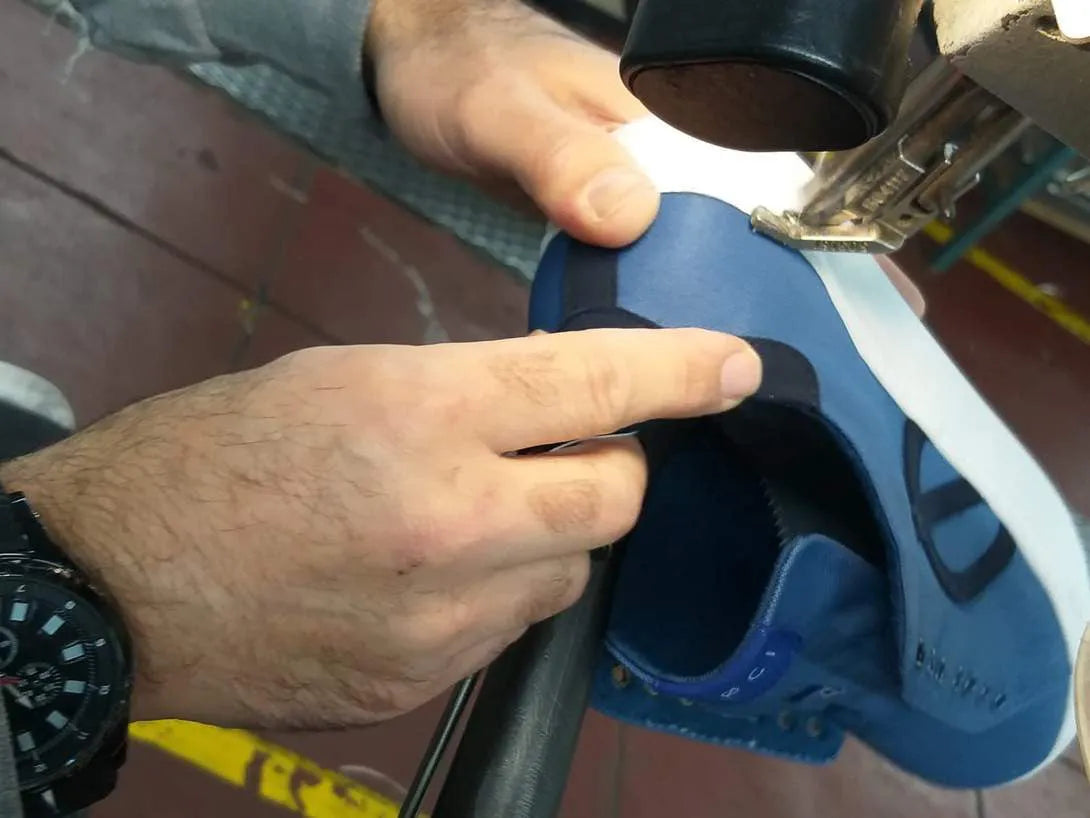
Inspecting trainers for quality craftsmanship starts with the details. Run your finger along each seam, checking for tight, even stitching—loose threads or uneven spacing reveal weak points that won't stand up to everyday motion. Flex the trainer and watch where the upper meets the sole; visible stitching at the edge means repairable construction, while a single glue line suggests it's held together by bonding alone. Look beneath the tongue or take out the insole for a closer view of glue application. Smooth, controlled lines show care in assembly, whereas messy blobs or gaps point to a rushed job and a higher risk of coming apart. Choosing well-made trainers means you're choosing gear built for lasting movement on the high street and beyond.
Look closely at key high-stress spots—heel counters, eyestay rows and toe boxes—where the best trainers show their strength. Double rows of stitching, tidy bar tacks or well-placed reinforcements protect the areas that flex and absorb impact. At the seams, check for consistent overlap, aligned panels and cleanly trimmed edges, all with matched stitch colour. These signs point to careful craftsmanship and a clear focus on longevity. In contrast, ragged edges or uneven trimming often lead to weak points that can give way over time. By paying attention to these details, you can recognise when a maker is committed to lasting quality—and make choices that align with your values.
Opt for a heavyweight tee built to last.

4. Ensure Breathable Linings for Lasting Comfort
Assessing trainer linings is about more than just surface feel. A springy, open-knit mesh with visible air pockets lets feet breathe, helping air and moisture circulate naturally. In contrast, tight or shiny linings can lock in heat and sweat. Try a simple check—walk until your feet are warm, then press a tissue to the insole. If it comes away lightly damp, the lining is working to wick moisture; if it’s soaked or patchy, breathability is lacking. Look for flat, neatly bonded seams and linings that sit close to the upper to avoid bulky stitching or loose flaps, which can trap sweat and slow down drying. Prioritising these details supports all-day comfort and keeps you moving with purpose.
To assess whether your trainers are designed for breathability, start by removing the insole and checking for features such as perforations, open-cell foam, or airy fabrics underneath. Flex the shoe gently and watch to see if air circulates through these channels. Removable and well-ventilated insoles make it easier to air out or refresh your footwear. Look closely for visible perforations or a sponge-like structure—these signal active airflow, rather than a closed-off interior. Over time, keep an eye out for persistent smells, marks, or salt traces, as these may indicate trapped moisture. These straightforward checks empower you to gauge ventilation and moisture management, beyond what the label might say.
Wear breathable trainers with a midweight everyday set.

5. Choose midsoles designed for enduring comfort and sustainable support
The midsole plays a crucial role in delivering comfort and support, with most trainers featuring either ethylene-vinyl acetate for a lightweight, cushioned feel or polyurethane for increased durability and a firmer ride. Some designs blend innovative foams to boost energy return in targeted zones. You can get a good sense of midsole resilience by pressing firmly with your thumb or palm: check how deeply the material indents and how swiftly it springs back. Compare the response across different sections of the sole – a shallow mark and quick recovery indicate enduring support, while a denser midsole that resists compression is likely to maintain its shape over time. By exploring these details, you can better judge how your footwear will stand up to the demands of active, everyday movement.
Look for construction details like robust heel inserts, dual-density midsoles, and moulded heel cups – these help keep your trainers performing, step after step. While lightweight, unreinforced foam can feel airy underfoot, it’s more likely to wear down with heavy use. Softer, responsive foams offer a lively feel and energy return but may lose their shape sooner, while denser options provide lasting support. Consider how your stride and daily mileage influence your choice. Keep an eye out for signs such as deep creasing, flattened midsoles, or the beginnings of sole separation – all clues that it could be time for a fresh pair to keep you moving with purpose.
Try a sculpted cushioned midsole for responsive, all-day support.

6. Examine Outsole Material, Traction, and Wear for Lasting Performance
Press the outsole with your thumb and look for dense, dark rubber with minimal pores, a sign of a harder compound that stands up to wear. Lighter, more porous rubber often trades durability for a softer feel. Study the tread pattern like a map: tight sipes and shallow grooves channel water and favour grip on city streets, while larger, spaced lugs shed mud and suit off-road adventures. Directional chevrons drive you forwards with each step. Match the rubber type and tread depth to your chosen routes to anticipate how your trainers will perform in the real world, rather than relying on marketing promises.
Assessing Trainer Wear and Durability: What to Look For Examining how your trainers wear down can reveal where they face the most pressure. Notice scuffing along the outer heel? That often signals an underpronation stride, while wear on the inner edge points towards overpronation. Heavy abrasion at the forefoot typically means a more forceful toe-off when you walk or run. Inspect key protective features: look for robust rubber coverage in hard-wearing areas, a resilient heel block for added stability, and overlapping rubber layers that shield the midsole from early breakdown. Simple hands-on checks are just as revealing. Lightly scrape the sole across a textured surface to gauge grip, flex the trainer at the ball of the foot to ensure grooves match your natural movement, and gently twist to check for any early signs of the sole or upper part separating. Watch for rubber that springs back into shape and seams that remain secure—these are good indicators of a trainer’s ongoing condition. Mindful inspection not only helps you stay comfortable on the move but also supports long-lasting, responsible choices in your wardrobe.
Slip into comfortable layers for post-run recovery.

7. Prioritise insole support and adaptable footbeds for all-day comfort
Lift out the footbed to see whether it is fully removable, secured, or stitched in place. Take note of the defined heel cup and the medial arch to ensure they complement your foot shape. With the insole removed, check the internal depth to confirm there is ample space for your needs, so the toe box remains comfortable and your natural stride is supported. A well-finished, evenly bonded midsole and consistent stitch lines beneath the footbed signal thoughtful craftsmanship. Conversely, untidy edges or uneven adhesive may point to the potential for early wear.
Press the insole with purpose to gauge its resilience; cushioning that springs back is a sign of enduring support, while foam that stays flattened may wear down more quickly and lose its shape. Inspect for details such as perforations, breathable fabric tops, and treatments designed to resist odour – all of which help keep trainers fresher for longer journeys and support active, mindful living. These thoughtful touches encourage airflow, minimise moisture, and help maintain the trainer’s form, letting you move confidently whether you’re on the high street or exploring new ground.
Add low-profile cushioning to protect insoles and boost comfort

8. Check Stability in the Heel Counter and Toe Box
Assessing quality trainers starts with a keen eye for purposeful design. When examining the heel, a firm squeeze at the back should reveal moulded reinforcement that springs back, offering support without collapsing—a subtle sign of robust construction. Lace up and take a few strides; a well-shaped heel cup will cradle the heel, preventing unwanted movement and keeping your stride in line. For those who like to look deeper, removing the insole can reveal details such as sturdy inserts, moulded foam, and tidy seams—elements that point to footwear built for lasting comfort and support. If you spot loose edges or thin linings, it may be a warning for durability over time. Purposeful craftsmanship stands out, even in the details.
Assessing footwear for durability goes beyond first impressions. Press along the top and sides of the toe box and gently twist the forefoot; a resilient shape, precise stitching and a clean finish are indicators of lasting protection. Next, bend the trainer at the ball of the foot to check the flex point matches your natural movement, while the heel and toe box stay supportive. If the flex is off or the toe box crumples easily, it could lead to early creasing and affect comfort and stride. Prioritising thoughtful details means your trainers support both your steps and your values on every journey.
Add cushioned socks for extra heel and toe support.

9. Check Lacing, Eyelets and Tongue for Secure Fit
Assessing the durability of trainers starts with the details. Glide your fingers around each eyelet and thread the lace through, noting the feel—well-finished metal grommets, reinforced stitching, or a sturdy fabric edge signal quality construction designed to distribute tension, not tear. Watch for fraying or puckering, which may hint at weak spots. Lace up as you would on the high street and check for smooth movement and even tension. If laces snag or bite into the upper, that pressure could mean premature wear. Focus on the top eyelets and collar lining, where overlays and thicker stitching matter most. These areas face the greatest stress, and visible reinforcement here means your trainers are built to hold their shape, stride after stride.
Push the tongue of your trainer to the side, then tighten the laces as you would when walking, checking that the tongue remains centred. A gusseted or well-stitched tongue with a secure base helps prevent discomfort and keeps laces in place. Flex the trainer and inspect inside around the eyelets and tongue base for loose threads, uneven stitching, or signs of excess glue. Consistent stitching and clean seams without adhesive show the care and craftsmanship needed to withstand everyday motion. Ensure laces move smoothly through the eyelets, as even tension supports comfort and structure across the upper. These hands-on checks offer clear insight into how well a trainer will endure daily wear – trust what you see and feel, rather than relying solely on labels.
Choose heavy-duty French Terry for lasting everyday wear.
![{"image_loaded": true, "load_issue": null, "description": "The image shows a close-up of two hands stringing small round beads onto a thin thread or wire. The beads are black and white, with gold-colored letters imprinted on them. Some beads are scattered on a beige surface below the hands. The background is blurred, focusing attention on the hands and beads.", "people": {"count": 1, "roles": ["person stringing beads"], "visible_demographics": null, "attire": null, "pose_or_activity": "Stringing lettered be](https://cdn.shopify.com/s/files/1/0416/7663/6312/files/image_loaded_true_load_issue_null_description_the_image_shows_a_close_up_of_two_hands_stringing_small_round_beads_onto_a_thin_thread_or_wire_the_beads_are_black_and_white_with_gold_co.webp?v=1769760507)
10. Assess longevity, repair options, and lasting quality
Examine the connection between the sole and upper for neat stitching, a continuous welt, or a clean, seamless join. Gently flex the trainer to check for any signs of separation where the sole meets the upper. Visible stitching or a welt points to easier reparability, a consideration for those committed to longevity. Press on the heel and notice how quickly it returns to shape; slow rebound suggests the midsole may be compressed, which could affect long-term comfort and support.
Assess the upper by feeling for thickness and resilience, and take a close look at the grain, edge finish, and seam work. Prioritise trainers that feature reinforced stress points, such as double stitching at the toe, a supportive heel counter, and a robust toe cap. Examine the tread depth and the construction of the outsole—note whether it includes visible stitching or a replaceable edge that a local cobbler could resole. Ensure the insoles are removable and that eyelets and laces use standard fittings for easy upkeep. For peace of mind, consult the maker or a trusted high street cobbler about repair options and spare-part availability. Review the written warranty with care, noting what’s covered, any exclusions, and the remedy on offer. Finally, check how repairs are documented and whether replacement parts can be sourced if needed.
True durability and enduring comfort can be seen in details you can feel and see for yourself, from the way trainers flex and fit to the resilience of the materials used. You might press the sole to check for bounce, run your finger along the upper to judge its finish, or inspect the stitching for signs of sturdy craftsmanship. These hands-on checks offer real insight into thoughtful construction—far more revealing than any advert or claim.
Work through these ten checks when trying on or inspecting a pair, and focus on features that suit your activity, foot shape, and repairability priorities. This approach empowers you to distinguish fleeting trends from trainers that deliver lasting comfort, support, and longevity – so you can choose with confidence and make your footwear go further.