
10 Ways to Restyle Outdated Garments into Modern, Wearable Pieces
Are once-loved garments crowding your wardrobe yet feeling out of date, leaving you unsure whether to mend, alter or discard them? A handful of simple skills and purposeful tweaks can revive those pieces into modern, wearable favourites you will reach for again.
This guide walks you through auditing and prioritising repairs, mastering hand stitching and machine techniques, and altering or recutting pieces for a tailored fit. It explains how to reinforce stress points, refresh colour, add trims and hardware, practise visible mending, repurpose items into accessories, and adopt simple care routines to extend each garment's life. Practical, purposeful steps to get more wear from what you already own.

1. Audit your wardrobe and prioritise repairs
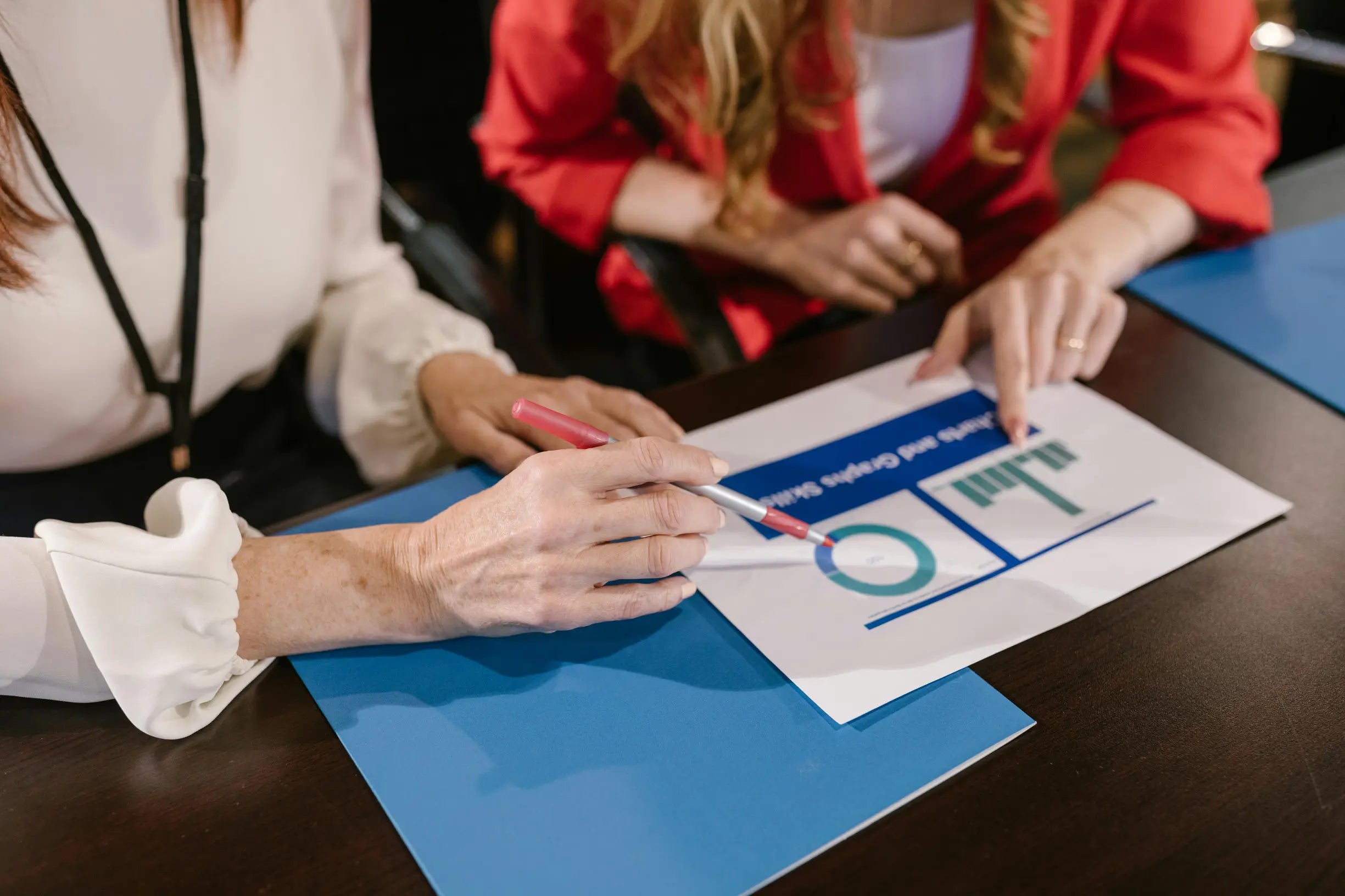
Survey every item in your wardrobe for fit, fabric integrity, stains and high-wear areas. Photograph each piece and note the exact repairs needed so you can focus on what you actually wear and avoid unnecessary work. Sort garments into three clear piles: repair, alter, or repurpose and donate. Decide by frequency of wear, sentimental value and whether a simple stitch or adjustment will restore function. Tackle high-impact fixes first: secure loose seams, resew or replace buttons, rehem trousers and skirts, and reinforce collar and cuff edges. These small interventions often return a piece to regular use, extending your wardrobe and reducing waste.
Make mending part of a conscious wardrobe. Check care labels and fabric type before mending or altering garments; natural fibres, knits and synthetics behave differently with heat and stretch, so match needle, thread and technique to the material. Practise a handful of mending techniques, such as backstitch, whip stitch, darning and seam reinforcement, on inconsequential items until you feel confident. For complex fits or where specialist tools are required, use local alterations services to achieve a neater result. Photograph items before and after to track progress and to help decide which pieces merit further repair and which should be repurposed or donated.
Choose a durable, repair-ready tee for everyday wear

2. Master hand-sewing and machine stitching for durable, professional finishes
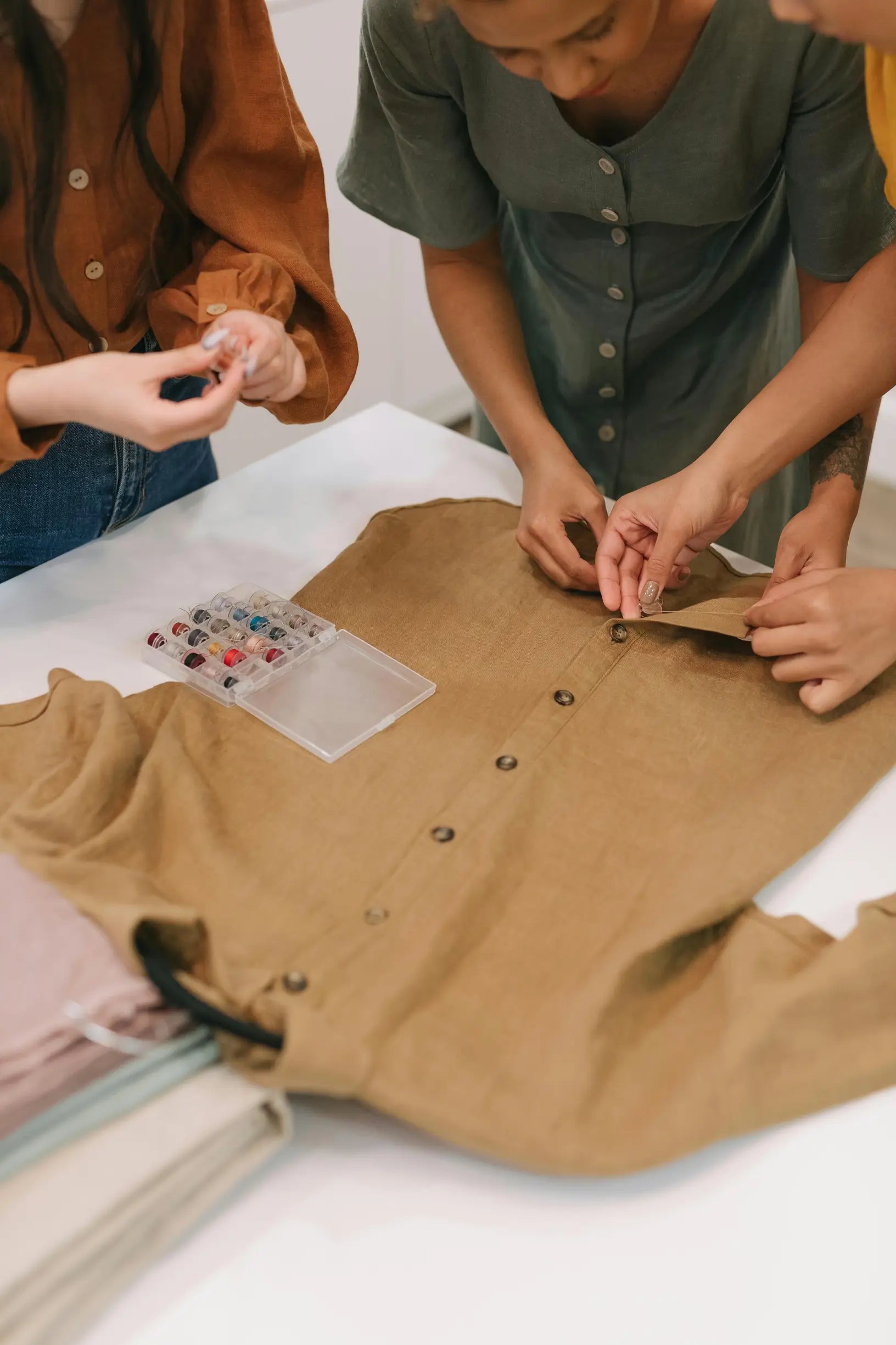
Start by mastering three essential hand stitches: the running stitch for gathering, the backstitch for seams that must be strong, and the slipstitch for invisible hems. Include clear close-up photos that show stitch length, needle entry points and typical uses so readers can replicate each technique. On the sewing machine, concentrate on needle selection and orientation, thread type and tension adjustments, and presser foot choice. Fine-tune settings for cotton, knits and silk to reduce puckering and prevent skipped stitches. Show close-up before-and-after images of French seams on sheer fabrics, flat-felled seams for durability, and overlocked or zigzag edges. Use these comparisons to demonstrate when to trim, press and finish raw edges. These techniques are useful for tailoring garments or repairing and customising trainers.
Begin with quick troubleshooting: rethread the machine correctly, diagnose tension faults, replace a broken needle and test stitch samples on scrap fabric so you catch problems before altering a garment. Build practical skills with three small projects: shortening a sleeve with a blind hem, adding a facing to refresh a neckline and inserting a zip. Each project includes a materials checklist, step-by-step instructions and notes on common mistakes to avoid. Photos and concise annotations highlight typical errors, such as cutting away too much fabric when shortening, stitching a facing the wrong way round or easing a zip in without clipping curves. Working through these short tasks on high street finds or wardrobe staples demonstrates how stitch choice, machine settings and seam finishes affect the look and longevity of an upcycled item, helping you extend the life of your clothes and make more sustainable fashion choices.
Practice repairs on a durable heavyweight sweater.

3. Alter and resize trainers for a perfectly tailored fit
For a successful fitting, wear the shoes and underwear you intend to use, and mark the hem and waistline with pins or tailor's chalk so the tailor can see your exact intent. Move your arms, sit and walk during the trial so the tailor can judge drape and ease. Before committing to a new silhouette, test it at home with basting stitches, safety pins or temporary hem tape. Bear in mind that construction and fabric determine the right approach: knits need stretch-friendly stitches and stay tape, bias cuts and linings make alterations more complex, and limited seam allowance restricts how much can be taken in. Note any pin or stitch positions that worked so you can show them to the tailor.
Some alterations deliver immediate, visible transformation. Taking in side seams creates a slimmer waist, adding bust darts removes gaping, shortening sleeves reveals cuff detail, moving shoulder seams corrects droop, and adjusting hem length modernises proportions. To refresh a garment while preserving its character, crop and reattach a hem to raise the waistline, move button placement to rebalance the closure, insert narrow side panels to slim without spoiling pattern match, or add small back darts for discreet shaping. These approaches update proportion and fit while keeping the original fabric, pattern and workmanship intact, extending a piece's life and reducing waste, and they give the tailor clear reference points to follow after your at-home trials.
Wear a sculpted, mid-weight top to test silhouettes.

4. Reinforce stress points to make your trainers last longer
Begin by finding the real stress points: tug seams, scrunch elbows and knees, and probe pocket corners and button areas for thinned fabric or popped threads. Shiny fibres, visible abrasion or loose threads reveal where failure will start. Reinforce fastenings and openings with targeted hand-sewing: make extra passes at button shanks, add a small backing patch behind high-stress buttons, and finish buttonholes with tight, even stitches or machine bartacks to prevent enlargement. These straightforward checks and subtle repairs often extend a garment’s usable life without altering its silhouette.
Strengthen seams where movement concentrates stress by shortening stitch length to increase seam density. Backstitch at the start and end, add a second line of topstitching, or convert seams to flat-felled or French seams to spread load and enclose raw edges. Add lightweight interfacing or a matching underpatch on the wrong side at elbows, the crotch and pocket mouths, or apply bias binding to curved openings so tension distributes over a wider area and local tearing is prevented. Use small hardware and tailoring details strategically: insert bar tacks or rivets at pocket corners, apply stay tape to shoulder seams to stop stretching, and grade seam allowances or bind raw edges to reduce bulk while maintaining strength. Taken together, these techniques preserve mobility, limit fraying and make older garments reliably wearable, helping extend the life of your wardrobe and reduce waste.
Choose heavyweight construction for lasting wear.

5. Modernise garments using bold trims and durable hardware
Swap dated plastic buttons or concealed zips for larger metal shank buttons, statement toggles or exposed metal zips to add visible weight and a contemporary edge. Choose a scale that suits the fabric and reinforce buttonholes and zip hems with lightweight interfacing to prevent distortion. Punch and set eyelets or grommets to introduce lacing, drawcords or decorative stringing. These details can reshape waistlines and sleeves; back the holes with a fabric patch to stop tearing and practise on a scrap to achieve even spacing. Sew contrast piping, bias binding or braid into seams and hems to sharpen silhouettes and define panel shapes. Press seams flat and secure ends with neat topstitching for a professional finish.
Add functional fittings such as D-rings, buckles and sliders to create adjustable closures and straps. Reinforce stress points with rivets or studs to suggest durability. Pad lightweight fabrics beneath heavy fittings to prevent sagging and distortion, and test the garment in motion to ensure comfort. Attach chains, decorative tabs, epaulettes or patch trims to collars, shoulders and hems to translate military and utilitarian cues into contemporary styling. Position additions so they move with the garment, adjusting their placement until balance and wearability feel right.
Layer a structured crew to balance heavier hardware.

6. Refresh colour responsibly using dyeing, bleaching and printing
Match the method to the fibre. Test a hidden seam or a small swatch to confirm fibre content and fabric structure, and pre-wash to remove finishes that can affect dye uptake. Use dyes and processes suited to the material: protein fibres such as wool and silk respond to acid dyes in a different way to cellulose fibres like cotton or linen, while many synthetics require specialised disperse dyes or heat treatment. Always trial any technique on a scrap to check the new colour, drape and hand before committing to the whole garment — pre-testing reduces the risk of wasted materials and supports more sustainable practice.
Use dyeing and bleaching with intention. Opt for full-immersion dyeing for an even recolour, overdye to tone down dated prints or to unify mismatched panels, and use controlled bleaching for ombre, faded or distressed effects. Match printing technique to the scale and permanence you need: stencils or block printing for bold motifs, screen printing for finer repeats, and discharge printing to remove existing colour without adding pigment. Choose inks and binders formulated for the garment fibre, then cure or heat-set prints and run wash tests to confirm durability. Finish and test for longevity by setting dyes with an appropriate fixative, rinsing until the water runs clear, laundering the item separately to check colourfastness, and repairing areas weakened by bleaching. Protect yourself and your workspace with gloves and good ventilation, and where possible select low-impact dyes, minimise water use and dispose of chemicals responsibly to reduce environmental harm.
Choose a garment-dyed tee for reliable vintage colour results.

7. Turn repairs into visible mending that makes a statement
Decorative darning, inspired by sashiko running stitch, stabilises thin spots while rebuilding the weave. Stitch densely across the worn area to restore strength and, when you use contrasting thread colours, to create a graphic motif. Turn patches into deliberate design elements by cutting durable fabric into rounded shapes slightly larger than the hole, anchoring them with small tacking stitches, then finishing the edges with blanket stitch or a narrow zigzag to prevent fraying and add texture. Secure anchoring and neat edge finishes keep the repair durable while making the intervention a visible, considered detail.
Target high-wear zones such as elbows, knees, cuffs and hemlines. Where possible, mirror a repair on the opposite side so it reads as intentional symmetry rather than damage. Combine techniques for strength and style: begin with a machine-stitched internal patch for reinforcement, then layer hand embroidery or applique on top for detail. Test techniques on scrap fabric first to check stretch and hand. Press repairs flat and secure loose ends on the inside to keep the garment tidy. Repeat a thread colour or motif elsewhere to integrate the mend into the overall styling. Use gentle washing methods to preserve stitches, and treat repairs with care to extend the life of the piece.
Choose a heavyweight sweatshirt built to withstand repairs.

8. Recut and reshape into bold, fresh silhouettes
Start by mapping the new silhouette directly on the garment: pin or mark with chalk where the shoulder, bust, waist and hem should sit. Step back and photograph the changes so you can see how small shifts alter perceived proportions. Marking these lines lets you experiment with cropped, boxy or nipped-in shapes before committing to a cut. For measured recuts, unpick the seams and mark new seam lines, then remove or add up to four centimetres at a time along the side seams or the centre back to move from boxy to tailored. To introduce more volume, insert a narrow panel or a bias-cut godet to add flare without disturbing the original grain.
Modernise the top half by reshaping sleeves and shoulders. Shorten or taper sleeves by removing length at the cuff, or split and reseam for a slimmer line. Create a contemporary drop shoulder by moving the shoulder seam outward and adjusting the armhole curve. Use stay-stitching and a toile to preserve movement while you test the new shape. Redefine waistlines and hemlines to change the silhouette. Raise the waist with a new yoke for a high-waist effect, or lower it and add a shaped peplum to balance a narrow hip. To convert a full-length skirt to a midi, measure and pin the intended hemline, then finish with a facing or a blind hem for a clean edge. Lock in the new proportions with inserts, interfacing and bias-cut panels. Where possible repurpose fabric from the same garment so any colour-blocking or structural changes sit naturally and wear like the original.
Choose a structured heavyweight hoodie for clean, modern proportions.

9. Repurpose old trainers into accessories and wardrobe essentials
Give oversized shirts and blouses a second life: unpick the side seams, press the panels flat, trim to the size you want, and finish the edges with a narrow hem or a neat hand-stitched blanket stitch. This keeps original patterns and buttons intact and yields lightweight, wearable scarves or bandanas that carry the garment's character. For sturdier cottons and denim, cut the legs into simple tote shapes, retain a back pocket for useful internal storage, and reinforce the handles by doubling the fabric or adding interfacing. Stitch seams with a box-and-bar finish for strength and durability.
Give surplus knitwear and tailoring a new life with simple alterations. Remove sleeves from wool jumpers and cardigans to make sleeveless vests, neck warmers or fingerless gloves. Use the ribbed hem as a neat edge and overlock or stitch raw cuts to stop fraying. Salvage buttons, zips and trims to craft belts, brooches and bag straps: mount decorative buttons on felt, repurpose a waistband as a structured belt or stitch short zips into wristbands. Reshape skirt and trouser panels with darts, turn waistbands into straps and attach buttoned flaps to form wrap tops, high-neck camis or external pockets that preserve original tailoring details. These techniques turn surplus fabric and hardware into fitted, practical pieces that refresh silhouette, add utility and keep the garment’s story visible.
Choose a midweight crew as a reliable alteration base

10. Adopt mindful care routines to extend garment life and cut waste
Treat care labels as your rulebook and match routines to fibre and colour. Sort items by fabric and shade, turn garments inside out, choose gentle cycles with cold water, and use mesh laundry bags for delicates to reduce mechanical abrasion, minimise pilling and slow dye loss. Refresh between wears instead of washing where possible: hang shirts and dresses to breathe, use steam to release creases and odours, and spot-clean soiled areas. This cuts the number of full washes and helps preserve fibres and fit. Make simple maintenance rituals part of your routine to catch small faults early — resew loose seams, replace or reinforce buttons, trim and comb pills and tidy hems so minor damage does not become irreparable.
Keep your wardrobe working harder. Dry and store garments correctly to protect shape and fibre integrity. Reshape damp knits and dry them flat, and use shaped hangers to support tailored pieces. Avoid airtight plastic for long-term storage and make sure garments are clean before storing to reduce the risk of pests. Rotate similar items and reserve special pieces for fewer occasions to spread wear and extend usable life. When stains occur, blot rather than rub, test any cleaning solution on an interior seam and treat marks promptly to prevent permanent damage. Together, these steps reduce mechanical stress, dye loss and unnecessary laundering, helping to preserve fit and appearance and cut clothing waste.
With a few targeted skills and thoughtful tweaks you can transform dated pieces into modern, wearable favourites and make better use of what you already own. Start with a wardrobe audit, prioritise repairs, then apply simple mending, tailoring or recolouring techniques to extend a garment's life, improve fit and refresh your style without starting from scratch. Small interventions like these keep your fashion choices purposeful and help reduce waste.
Work through practical steps: audit your garment, master essential hand and machine stitches, reinforce stress points, refresh trims, recolour and repurpose so you prioritise high-impact fixes and reduce waste. Start with one item and a scrap for testing; small, well-chosen interventions save resources, preserve memories and deliver pieces you enjoy wearing.