
Can Made-to-Order Vegan Sneakers Reduce Waste?
When a sneaker is described as made-to-order, it can sound like a simple sustainability shortcut: make a pair only when someone wants one, and waste disappears. The reality is more useful, and more nuanced. A demand-led production model can reduce the risk of excess pairs, unwanted colourways and unsold stock, but it does not remove every impact associated with making, shipping, wearing and eventually disposing of footwear.
For a shopper, the important question is not whether a label sounds responsible. It is how closely production matches real demand, what happens to materials and finished goods along the way, and whether the sneaker is designed to earn a long life. This guide explains the language, the potential benefit and the limits, then sets out a practical way to judge value beyond price or a vegan label.

Made-to-order, made-to-stock, small-batch and pre-order: what is the difference?
These terms describe different relationships between demand and production. They are often used loosely, so it is worth asking a brand what its wording means in practice.
Made-to-order usually means a customer commits to a purchase before the finished pair is produced, or before the final production stage begins. The order triggers or helps determine production, followed by a stated manufacturing and delivery period. It is not the same as choosing a size from a warehouse, even if the website uses personalised language.
Made-to-stock means pairs are produced in advance using a forecast. Finished sneakers are held in inventory so they can be dispatched quickly when an order arrives. This can offer convenience, but the forecast may be wrong: a colour, size or full collection can sell more slowly than expected.
Small-batch production means a limited quantity is made at one time. It can reduce the scale of a forecasting mistake and allow a brand to learn from early sales, but it is not automatically demand-led. A small batch can still become unsold stock.
Pre-order means customers place orders before a scheduled release or production run. It can provide stronger evidence of demand, but the exact arrangement varies. Some pre-orders reserve pairs already planned for production; others determine how many pairs are made. In short, made-to-order describes the production trigger, small-batch describes the quantity, and pre-order describes the timing of the customer commitment.


Why demand-led production can reduce avoidable inventory waste
Forecast-led production has a basic operational risk: a brand must decide how many pairs to make before it knows exactly how many people will buy them. The decision may be based on previous sales, trend expectations, wholesale commitments, launch plans and the need to offer a complete size run. If demand falls short, the result can be excess units, discounted stock, unwanted colourways or inventory that sits in storage long after attention has moved elsewhere.
Making closer to confirmed demand changes that risk. Each paid order gives a clearer signal that a particular size, colour and style has a customer waiting for it. A brand may still need to buy materials, plan efficient production runs and hold some stock, but it is less dependent on producing a large speculative quantity. That is the central environmental case for made-to-order: fewer finished pairs are made without a clear route to a wearer.
This logic is consistent with wider circular-fashion thinking, which places emphasis on reducing waste, keeping products in use and designing systems that use resources more effectively. The Ellen MacArthur Foundation’s fashion overview and its example of Teemill’s made-in-real-time approach provide useful context for why matching supply more closely with demand can help avoid unnecessary production. They are industry examples, not proof that every made-to-order footwear claim delivers the same result.

Made-to-order is not the same as zero waste
The strongest version of the claim is limited: made-to-order can reduce avoidable overproduction. It does not mean that every material purchased becomes part of a finished pair, or that the pair has no wider footprint.
Sneaker production can still involve cutting offcuts, development samples, test pairs, rejected or defective units and components bought in quantities that do not perfectly match orders. Packaging and transport still matter. A pair made only after purchase may travel from a factory to a warehouse and then to the customer; a return can add another journey and create a product that can no longer be sold as new. There can also be delays, failed deliveries and customer cancellations to manage.
The model therefore works best as one part of a broader system. Look for evidence about material planning, production partners, packaging, quality control, shipping, returns and what happens to imperfect or unwanted pairs. Be cautious with absolute language such as ‘waste-free’, ‘impact-free’ or ‘sustainable by design’ unless a brand explains the boundaries of the claim.

Does making to order create better product value?
A made-to-order process mainly changes when a pair is produced. It does not automatically make the design more durable, the fit more accurate or the materials more responsible. A longer wait or a higher price can be justified only when the whole product system gives you something meaningful in return.
Think of value as a combination of responsible production, material performance, construction, care, fit, longevity and use-per-wear. Purposeful design can help a sneaker remain relevant beyond one season. Strong stitching, a stable sole, resilient upper materials and replaceable or repairable elements, where available, can support longer use. Clear sizing information can reduce the chance of an avoidable return. Care guidance can protect the finish and help the wearer keep using the pair rather than replacing it early.

Vegan is relevant, but it does not answer every impact question
Vegan footwear avoids animal-derived materials, which matters to shoppers making an ethical choice. But vegan status alone does not tell you how a material was made, how long it will last, how much waste its production creates, whether it can be repaired or recycled, or what happens at end of life.
The more useful assessment is layered. Ask what the upper, lining, sole, adhesives and trims are made from; whether sourcing and manufacturing information is available; how the components perform in real use; and whether the brand gives practical care and end-of-life guidance. Then consider the production model: is the pair made against a confirmed order, in a limited run, or from forecasted stock?
That wider view avoids two easy assumptions: that vegan automatically means low-impact, and that made-to-order automatically means sustainable. Both can be positive signals. Neither is a complete guarantee.

Care, fit and longevity turn a considered purchase into real value
Avoidable waste is not only about pairs that were never sold. A sneaker that is uncomfortable, poorly sized or difficult to care for may leave active use early, even if its production was carefully planned. That is why longevity belongs in the same discussion as inventory.
Before buying, check the size guide, the return window and whether the product description explains how the fit compares with other models. Consider where you will wear the pair and whether the design works with the wardrobe you already own. A versatile pair that becomes part of a regular rotation has a better chance of achieving a lower cost per wear than an impulse purchase that stays in the box.
Care also matters. LØCI’s care guide recommends using a protector, cleaning with a suitable kit and avoiding the washing machine because it may change the structure or finish of the materials. Following brand-specific guidance is a small but practical way to protect the value already embedded in a pair.
A simple use-per-wear calculation can make the decision more concrete: divide the purchase price by the number of realistic wears you expect. It is not a complete environmental assessment, but it shifts attention from the ticket price to whether the sneaker will genuinely earn its place in your life.

What to ask before buying made-to-order vegan sneakers
Use the following questions to separate a meaningful demand-led model from a vague sustainability label:
How does production work in practice? Ask whether the pair is made only after purchase, whether some sizes or colours are already held in stock, and what the usual production and delivery window is.
What happens if demand is lower than expected? Look for an explanation of how materials, samples, cancelled orders, defects and unsold or returned pairs are handled.
What exactly are the materials and components? Ask about the upper, lining, sole, adhesives, trims and packaging, not only whether the shoe is vegan.
How is durability supported? Check construction details, testing or wear guidance, the expected use, care instructions and whether repair or replacement options exist.
How is fit managed? A detailed size guide, measurements, clear model comparisons and a fair returns process can help prevent a made-to-order purchase becoming an avoidable return.
Can the brand explain the trade-off? A possible wait or higher upfront price is easier to assess when the brand is transparent about production timing, sourcing, quality control and the reason the model is used.
These questions do not demand a perfect supply chain. They ask for enough detail to judge whether a claim is specific, bounded and relevant to the pair you are considering.

Two useful cautions when reading production claims
A made-to-order label may describe only the point at which a pair is assembled or finished, not every stage of its supply chain. Use the questions above to find out what is actually triggered by your order and what was planned or purchased earlier.
Likewise, a longer wait, a higher price or a vegan label is not proof of better value on its own. The useful evidence is specific: a clear production explanation, relevant material and construction information, reliable fit guidance, practical care advice and a realistic reason to expect frequent, long-term wear.

How to weigh the wait, the price and the impact
A made-to-order purchase may ask you to wait longer than an in-stock pair, and a transparent, smaller-scale process may cost more upfront. Those trade-offs are not automatically proof of a better choice, but they can be reasonable when the product is made in response to real demand and is likely to be worn for years.
Compare the decision with the alternative you would genuinely make. If you need a pair immediately, buying an available style you will wear frequently may be more responsible than ordering a supposedly lower-waste pair that does not fit, arrives too late or sits unused. Conversely, if you can wait, use the time to check the measurements, materials, care requirements, return terms and production explanation rather than treating the delay as a sustainability credential.
The most convincing value story is cumulative: clearer demand, fewer speculative finished units, thoughtful design, dependable construction, accurate fit, appropriate care and long-term use. No single label can carry all of that on its own.

Applying the checklist to LØCI
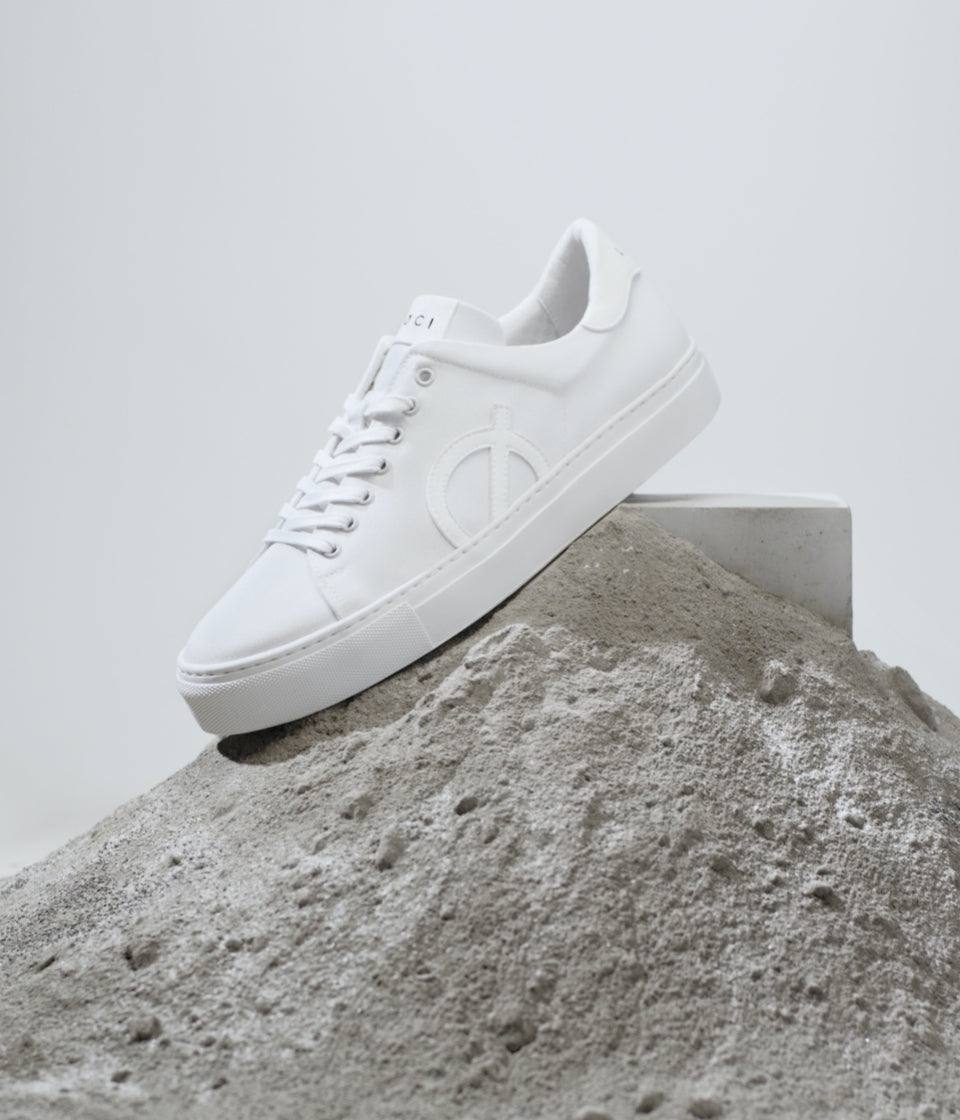
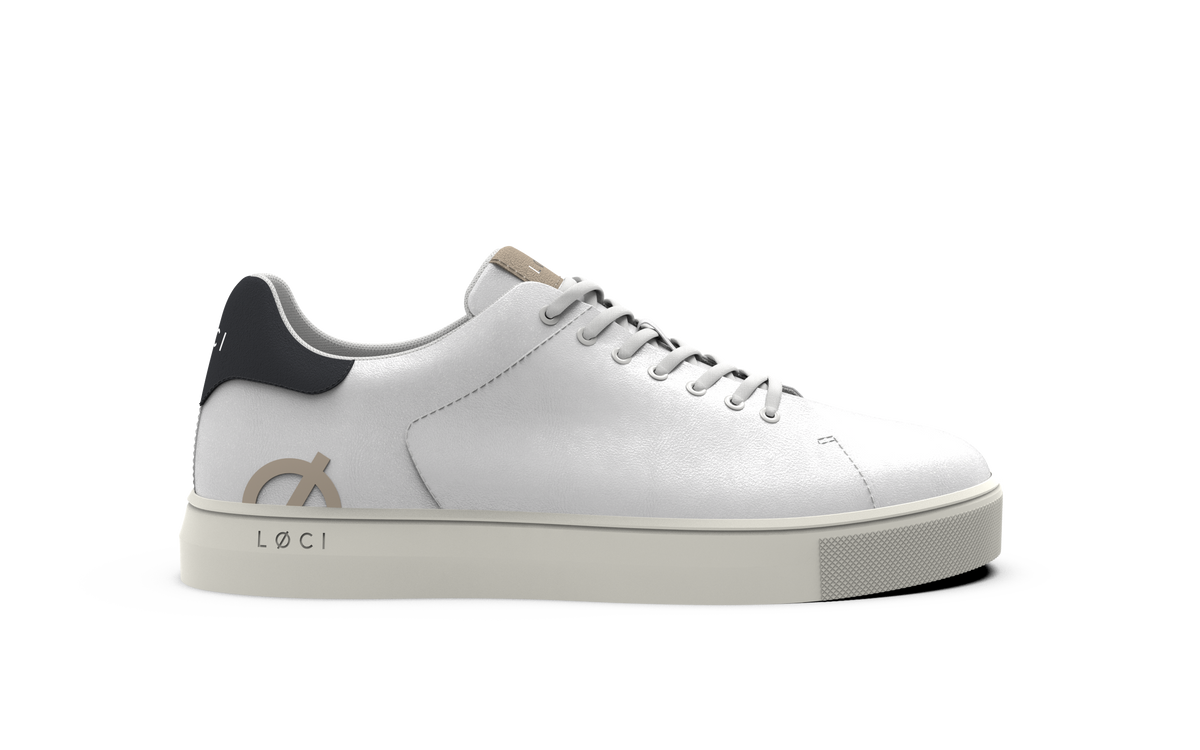
The current LØCI home page supports a discussion of premium, vegan, sustainable and conscious footwear made to last, while product information presents ORIGIN as a vegan silhouette developed through multiple iterations. The care guide adds practical advice for protecting the materials and finish, including using a protector and suitable cleaning kit and avoiding the washing machine.
That information is useful when assessing material performance, construction, care and likely longevity. It does not verify a made-to-order model. If production timing is central to your decision, look for a current first-party explanation of whether pairs are made after purchase, held in stock, produced in small runs or offered through pre-order, along with the effects on delivery, returns and any materials or finished goods prepared in advance.
Made-to-order can be a valuable production model for vegan sneakers because it connects manufacturing more closely to committed demand and can reduce the risk of excess finished pairs. Its benefit is conditional, not automatic: materials, offcuts, samples, defects, packaging, transport, returns and disposal still need attention.
For shoppers, the best decision is a whole-product assessment. Ask how production works, check the materials and construction, understand the fit and care requirements, and consider how often you will wear the pair. A vegan label and a made-to-order claim can guide your questions, but lasting value comes from the combination of responsible planning, transparent information, durable design and thoughtful ownership.