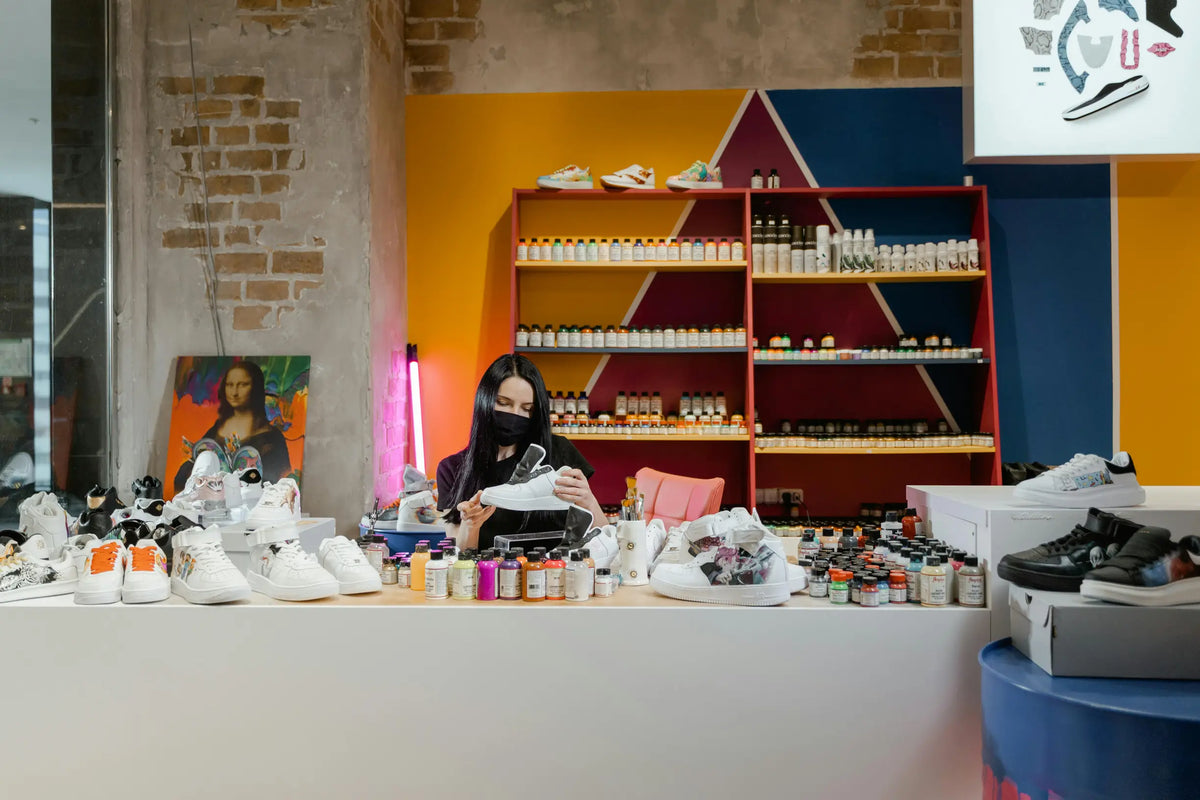

Article: Essential Features That Make Vegan Trainers Dependable for Training, Walking, and Everyday Comfort

Essential Features That Make Vegan Trainers Dependable for Training, Walking, and Everyday Comfort
Finding trainers that excel for training, long walks, and everyday wear can feel like a compromise. Which features truly deliver breathability, durability, cushioning, and sustainability in a single pair?
This post breaks down how breathable, sustainable materials, targeted support and cushioning, effective traction, and a snug, low-maintenance fit combine to deliver consistent performance and all-day comfort. Use the practical, evidence-based checkpoints that follow to compare models with confidence and pick trainers or sneakers that withstand hard sessions, long days on your feet, and repeated use.

Choose breathable, sustainable materials for comfortable, long-lasting trainers
Open-knit uppers and engineered mesh increase airflow, allowing sweat to evaporate and reducing the conditions that let odour-causing bacteria thrive. Check ventilation by holding the trainer up to the light or placing your hand inside to feel air moving through the weave. Choose sustainable synthetics such as recycled polyester or bio-based polymers; they retain moisture-wicking performance while keeping material out of landfill. Also look for low-impact dyeing and waterless finishing to cut water and chemical use.
Additionally, choose natural, breathable insoles such as cork, coconut fibre, or plant-based foams; they wick moisture and help control odour. Removable insoles make it easy to air or wash components, extending a trainer's usable life. Balance ventilation with protection by selecting trainers that concentrate perforation or mesh in low-wear zones, and add thermoplastic polyurethane overlays or stitched reinforcements where structure and abrasion resistance are needed. Verify breathability claims by checking technical indicators, such as moisture vapour transmission rate, explicit moisture-wicking tests, or independent laboratory results. Prioritise modular components, like removable insoles or replaceable uppers, to reduce laundering, cut waste, and prolong usable life.

How to prioritise support, cushioning and traction when choosing trainers
Reliable trainers control motion and protect the foot through three elements: a firm heel cup, a stable midsole, and targeted arch reinforcement. Test each element this way. Heel cup: press the heel cup with your thumb. A good heel cup resists folding; if it collapses easily, it will not control rear-foot motion. Motion control: walk heel-to-toe and watch or feel for excessive inward roll. Noticeable inward roll suggests the shoe lacks sufficient support for your gait. Midfoot security: lace the shoe to your usual tension and check that the midfoot feels held without painful pressure points or hotspots. Cushioning: judge cushioning by material behaviour, not thickness. Press the midsole to check immediate rebound, then take a few brisk steps to feel impact absorption. Favour foams or bio-based alternatives that return energy without compressing fully under load, so the cushioning does not bottom out.
For traction, inspect the outsole compound and tread design for reliable grip. Look for durable or tacky rubber in high-wear zones, multidirectional grooves for varied terrain, and water channels or siping to shed moisture. Then take a short walk on a slightly damp surface to judge real-world traction. Prioritise fit and adjustability. Choose a last and a toe box that allow natural toe splay, and tighten lacing to increase lateral stability during training. Test the shoe while wearing what you would normally have on your feet so lockdown (how securely the shoe holds your foot) and cushioning translate to real use. Maintain performance by cleaning soles to preserve contact, air-drying away from direct heat to protect foam resilience, and replacing insoles when they compress. Rotating between two pairs spreads wear and helps cushioning and support features last longer.

Ensure a snug fit, lasting comfort, and easy care
Measure both feet at the end of the day. Try trainers while wearing the same layers you use for training, and allow about a thumb's width of space at the toe. Aim for less than one centimetre of heel slip when you walk indoors. Prefer models with removable insoles if you use orthotics. Check fit across the forefoot and heel by walking a few paces indoors to confirm there are no pressure points. Test cushioning by pressing the midsole with your thumb to judge rebound — seek foam that compresses then recovers quickly for a responsive feel. Look for a firmer section under the arch or a defined medial support for added stability. Balance thicker cushioning for impact protection with enough ground feel to preserve proprioception on walks.
Also, inspect the upper for mesh panels, perforations, or moisture-wicking linings that channel sweat away from the foot; these features keep skin drier and reduce blister risk. Where water resistance matters, favour bonded seams or coated synthetic uppers. Examine the outsole tread for multi-directional lugs or fine siping that grip wet pavements and hard-packed trails. Check for flex grooves aligned with your natural toe-off so the trainer bends where your foot does, enabling a smoother push-off. For care, remove laces and insoles, brush off dry dirt, wipe the uppers with a soft cloth and a mild soap solution, and air dry away from direct heat. Treat synthetic materials with a water-repellent spray if you expect sustained wet conditions. Rotate between two pairs, and regularly inspect glued joins and stitch lines to catch wear early and extend the life of your trainers.
In summary, reliable vegan trainers suited to workouts, extended walks, and daily use combine breathable, low impact materials with targeted support, resilient cushioning, and dependable traction to keep feet dry, protected, and comfortable. To compare performance objectively, check for ventilation through open-knit panels or engineered mesh, a firm heel cup and stable midsole that control rearfoot motion, a durable outsole with multidirectional grip for varied surfaces, and removable insoles that allow cleaning or the use of custom orthotics.
Refer back to the headings when assessing models. Check breathability indicators, press the midsole to test rebound, walk on a slightly damp surface to assess traction, and try them on wearing the same layers you plan to use with your trainers. Run these checks across several pairs, rotate them in regular use, and follow simple care steps: remove insoles, brush off dirt, and air-dry away from direct heat. These practices extend lifespan and help you choose with confidence.