
How to Pair Trainers with Smart-Casual Trousers, Blazers, and Shirts
Trainers have stepped out of the gym and into everyday life, but pairing them with smart-casual trousers and blazers can still feel like navigating unwritten rules. Which silhouettes work with tailored trousers, which lift a relaxed blazer, and how should shirt choices shift the balance?
To answer those questions, this guide matches trainer silhouettes to levels of formality, shows how to pair them with trousers, blazers, and shirts, and covers fit, finishing, and sustainable care so your outfits remain intentional. Read on for practical cues and simple rules you can apply to build smart-casual looks with confidence.

How to match trainer silhouettes to different levels of formality
Common trainer silhouettes fall into five groups: low-profile minimalist, court or tennis, retro running, chunky, and high tops. Judge a trainer's formality by visual cues such as sole height, toe shape, and upper material. Smooth leather or fine suede uppers paired with slim soles and rounded toes signal the smartest looks, while tall soles, mesh uppers, exaggerated toe boxes, and pronounced lug soles push silhouettes toward casual. Rank styles consistently using those cues: place low-profile and court trainers at the smart end, retro running and chunky styles in the middle, and high tops and lug-soled trainers at the casual end.
Pair low-profile leather or smooth suede trainers with tapered or cropped tailored trousers and single-breasted, unstructured blazers to preserve a continuous leg line and a neat silhouette. Balance chunky or performance-focused trainers with wider-leg or pleated trousers and boxier blazers, or reserve them for relaxed tailoring so proportions align and nothing feels at odds. Consider material and colour when creating cohesion: full-grain leather, smooth suede, and muted neutrals create a sharper look, while mesh, bold colourways, and lug soles read casual, so echo trainer leather or sole tones in belts and other accessories. Hone the details by keeping uppers and soles clean, replacing creased laces, choosing low-profile or no-show liners for cropped hems, and adjusting the trouser break so the hem sits on or just above the sole.
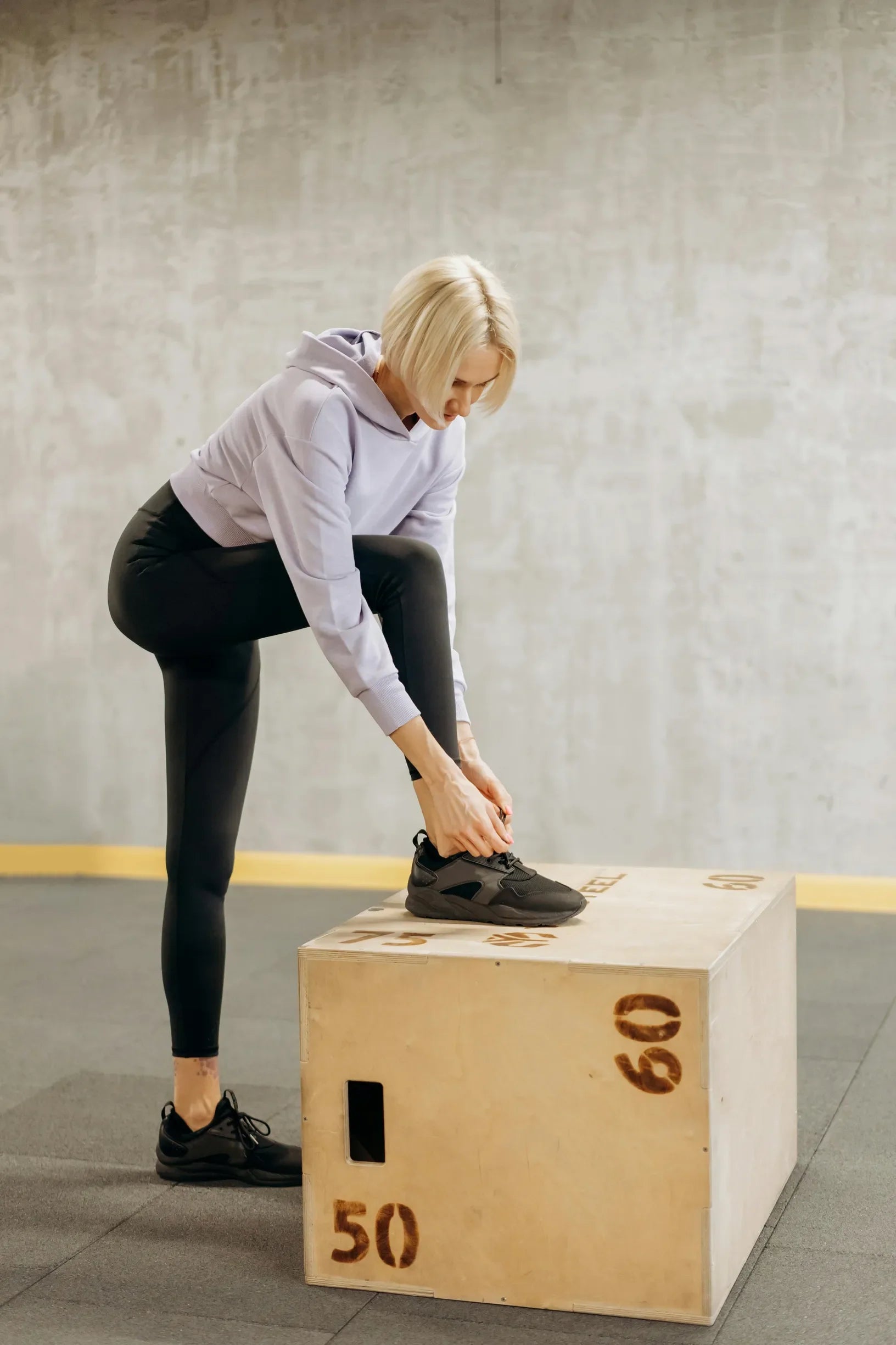
Balance chunky trainers with a sleek, minimal sweat set.

Style trainers with smart-casual trousers, blazers, and shirts
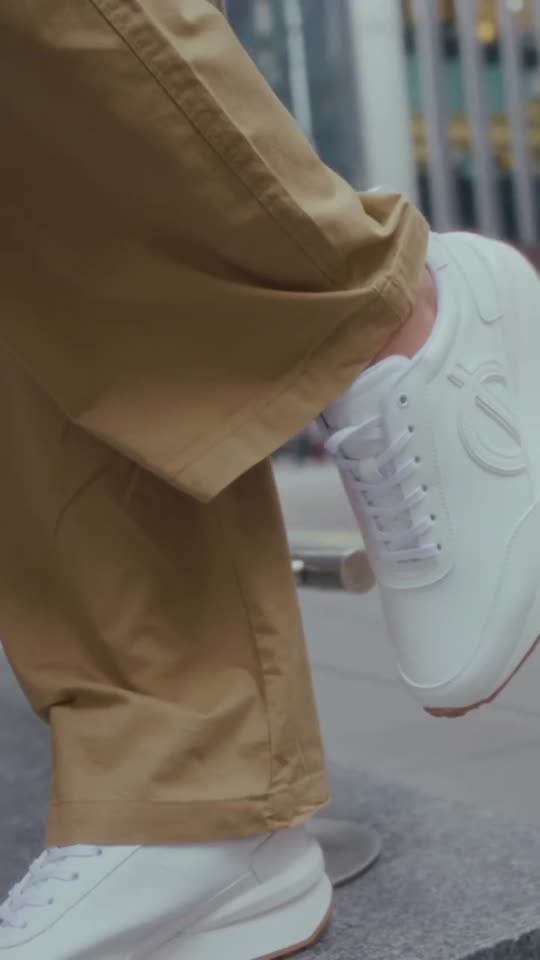
Match the trainer silhouette to the trouser cut. Low-profile, slim trainers work best with tapered or straight-leg trousers, while chunkier, athletic trainers sit better with wider legs or cropped hems to keep proportions balanced. Limit colours to two or three, and tie a trainer colour to another garment, such as a belt, a shirt stripe, or a blazer trim, to create cohesion without exact matching. Contrast textures: pair smooth leather trainers with poplin shirts and structured blazers for a sharper finish, and suede or canvas trainers with knitwear, cotton trousers, or tweed blazers for a softer feel.
Choose shirts and blazers with purpose. An Oxford button-down or fine poplin reads smart-casual; an unlined, unstructured blazer drapes softly to keep the outfit relaxed, while a structured blazer with a neat shirt creates a sharper silhouette. Turn back a small cuff at the wrist for a refined finish. Decide on foot coverings deliberately: no-show liners for ankle exposure, lightweight cotton styles for a smart look, or patterned pairs as a controlled accent. Keep your trainers in good order: clean them regularly, and match lace thickness and colour to the trainer silhouette to signal care. Finish with the right trouser hem and break—reveal a sliver of ankle, or opt for a single, neat break to preserve a tailored line.
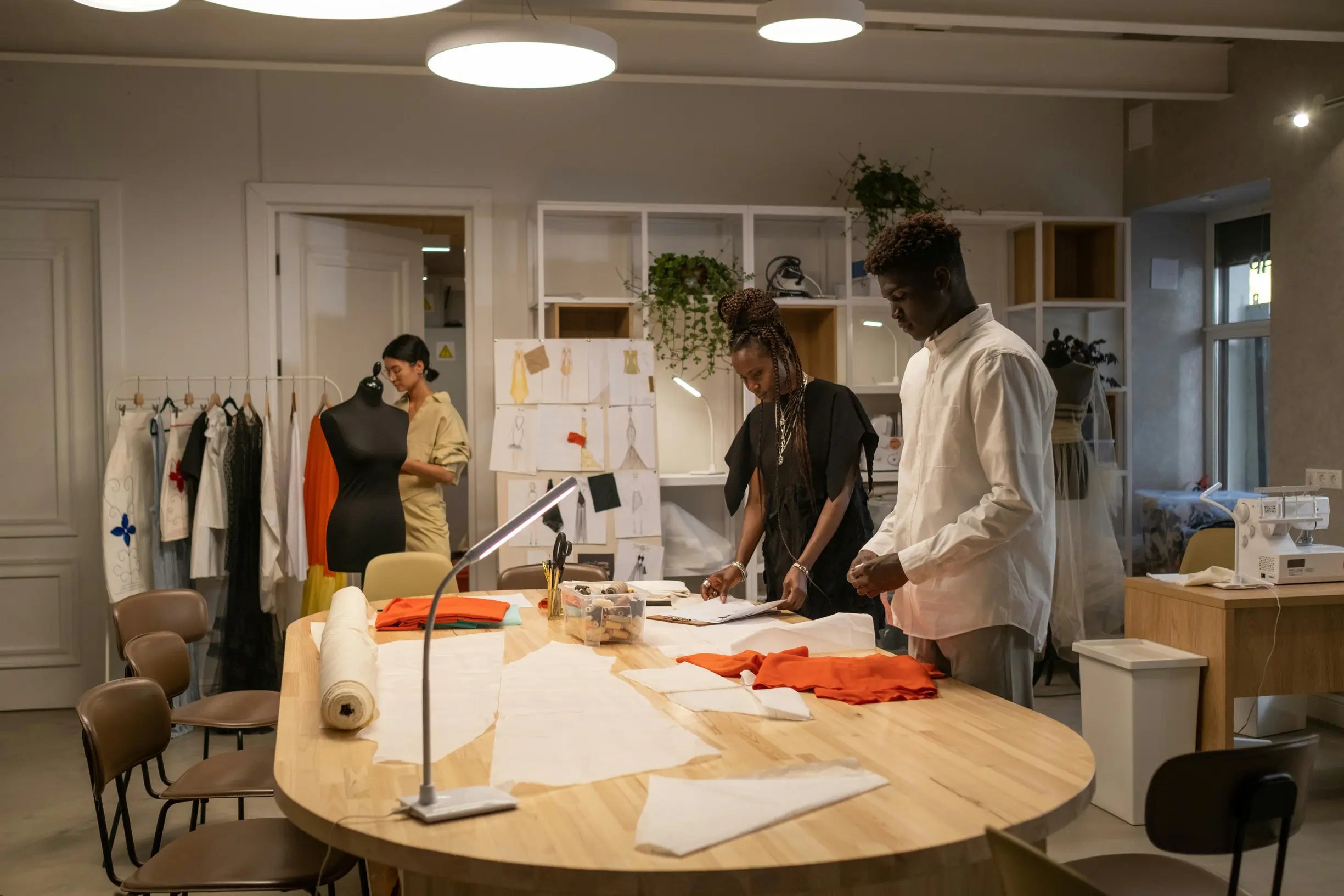
Choose a relaxed matching tracksuit for cohesive trainer style

Master the fit, finish, and sustainable care of your trainers
Perfect the fit. Let blazer shoulders sit on your natural shoulder line, reveal a sliver of shirt cuff at the sleeve, and let the jacket skim the hip so it sits neatly over trainer bulk. Sit and walk to check that the trousers keep a clean line at the ankle. Balance proportions: pair low-profile trainers with cropped or tapered trousers, and give chunkier soles room with straight or slightly wider legs. Photograph front and side views to judge whether the silhouette reads balanced from a distance. Think about material and colour: matte suede or leather marries better with structured tailoring than canvas, and tonal soles that echo the trouser colour minimise visual breaks.
To maintain that fit and finish, keep outfits sharp with a few simple moves: clean scuffs, replace frayed laces, tidy sole edges, press trousers, and brush blazers to lift creases and remove lint so small imperfections do not draw the eye. Choose repair over replacement, since simple cobbling, such as repairing scuffs, resoling, or replacing insoles, preserves the intended silhouette and extends the life of trainers. Launder shirts on gentle settings, reshape them on racks, and rotate garments to spread wear across your wardrobe. Regular, simple maintenance keeps clothing looking intentional, and by extending usable life, reduces clothing waste and the environmental cost of frequent replacement.
In summary, smart-casual dressing starts by reading a trainer's silhouette and matching its proportions and materials to the cut and finish of trousers, blazers, and shirts. Low-profile leather or smooth suede sneakers with slim soles pair best with slim-fitting or ankle-length tailored trousers and unstructured blazers. Chunkier trainers and high-tops work better with wider legs or relaxed jackets to balance volume.
Focus on texture, echo colour across pieces, and keep finishes neat: clean soles, tidy laces, and a considered trouser break maintain visual cohesion. Test combinations by photographing silhouettes from several angles, paying attention to how trainers sit with different hems and layers. Prioritise simple care and prompt repairs to extend wear, so your smart-casual looks stay intentional and durable.