

5 Logistics Checks to Run with Promoter, Venue and Travel Providers Before a Gig
Nothing disrupts momentum like turning up to a gig and finding an unexpected payment clause, missing kit, or essential stage equipment absent. Missed payments, mismatched technical specifications and delayed shipments routinely derail schedules, leading to late starts or cancellations.
This post lays out five focused checks to run through with promoters, venues and travel providers: contracts and local contacts; travel bookings and instrument shipments; venue technical specifications and staging; accommodation and load-in; and documentation, insurance and contingency plans. Run through these checks before you travel to cut surprises, speed up load-in and arrive ready to perform.

1. Secure contracts, clear payment terms and reliable local contacts
Require a signed contract that names the contracting parties and includes clear clauses for cancellation, rescheduling, force majeure, indemnities, insurance obligations and explicit acceptance of the technical and hospitality riders. Keep the final signed version and any redlines as a dated PDF to evidence agreed terms. Confirm payment and invoicing details by requesting the exact payee name and invoicing address, any VAT or tax reference required, the accepted payment methods and the invoice submission process. Obtain a named accounts contact and written payment confirmation to reconcile arrivals. Build an escalation list with named local contacts and roles, including the promoter, venue manager, production or stage manager, touring logistics contact and accommodation or transport representative. Save telephone and email details in multiple places and request an out-of-hours contact who can authorise on-the-day changes.
Plan like a pro. Put travel-provider details in writing: confirm passenger names, instruments and equipment carriage arrangements, luggage allowances and any permit references, pick-up and drop-off locations, driver or agent contacts, and a contingency plan for missed connections so you can reroute equipment or personnel quickly. Agree technical and access conditions against a venue plan that shows stage dimensions, load-in points, power specifications, backline and front of house expectations, parking and security arrangements. Name the person authorised to sign off on last-minute technical changes so you can compare what was promised with what arrives on site. Save all confirmations and key documents as dated PDFs and share the relevant pages with on-tour personnel to speed problem resolution and keep everyone aligned.
Protect on-tour shipments against loss or damage.

2. Confirm travel bookings, transport arrangements and instrument shipments
Keep logistics simple and avoid last-minute problems with this checklist: - Cross-check booking references and passenger or crew names against passports and visas. Obtain written confirmation from the promoter and the carrier to prevent denial of boarding or carriage because of name mismatches. - Confirm baggage and instrument carriage rules, including dimensions, declared weight limits, battery restrictions and whether instruments may travel in the cabin or the hold. Request the policy text so you can choose a suitable case or arrange an alternate route. - Verify pick-up and drop-off addresses, loading bay access, vehicle size and height restrictions on approach routes, parking or permit requirements, and any pedestrian-only zones. Ask for photos or a venue floorplan and a named on-site contact to avoid unexpected access problems.
Treat logistics as part of the performance. Organise shipment tracking, insurance and chain of custody for instrument shipments, and collect all shipment reference numbers so you can trace delays and support any claim for loss or damage. Confirm who will sign for delivery and record the named recipient to reduce disputes at handover. Agree contingency options with the promoter and travel provider, such as alternative carriage plans, local courier arrangements or standby travel slots, and make clear who is responsible for re-routing. Record escalation contacts and a step-by-step response so decisions can be taken swiftly and responsibilities remain clear if disruption threatens the performance.
Insure instrument shipments against loss or damage now.

3. Verify venue technical specifications, sound quality and staging arrangements
Request the exact stage width, depth and height, together with the number and layout of risers and the safe working load per square metre. Ask for written confirmation of certified rigging points. Request photos or a short video of the stage and the load-in route showing any steps, door widths and surface type so you can match risers, a drum riser and heavy kit to the real space. Match your stage plot to the venue audio patch by obtaining a current input list, the stage box channel count and a PA coverage diagram that shows speaker positions and any delay towers. Verify whether the desk provides the digital outputs you need, where splits are made and whether spare mic channels and DI boxes are available so you can finalise your input list and cable plan before you travel.
Secure monitor and mixing capabilities early. Confirm how many independent monitor mixes the venue can supply, whether wedges or in-ear monitoring will be used and whether a dedicated monitor engineer will be provided. Check talkback routing, foldback sends, aux pre/post switching and headphone monitoring to ensure your cueing workflow will function on site. Inspect stage power and the lighting infrastructure. Ask for a description of stage power points, whether the supply is single or three phase, the locations of distribution panels and confirmation of RCD protection and earthing. Request the lighting plot, dimmer count, DMX feed locations and certified rigging weight limits. Finally, confirm the venue's haze policy and whether a lighting operator will be present so you can adapt your showfile and avoid last-minute compatibility issues.
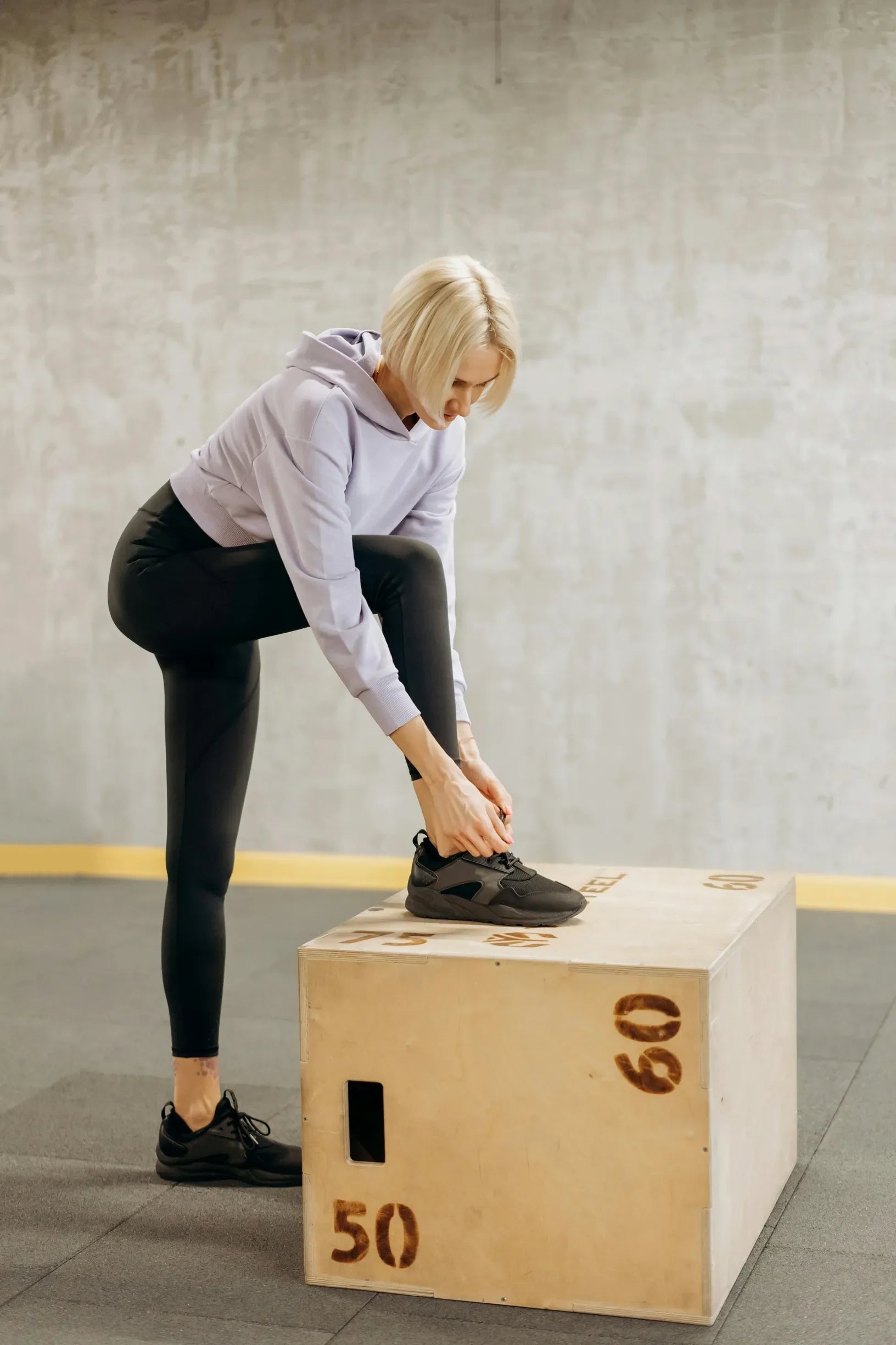
Move confidently during load-ins with durable, stage-ready footwear.

4. Lock in accommodation, access passes and load-in logistics
Confirm accommodation logistics with a written rooming list that contains full names. Verify whether the property can store labelled equipment overnight and where it will be kept so gear does not obstruct load-in routes. Check options for late check-in or a secure luggage drop to keep arrivals and load-in running smoothly. Request clear access pass details: how many passes you will receive, whether they are paper or digital, and whether names must match ID. Ask for photographs of sample passes so you can match crew to credentials before arrival. Secure any exceptions to ID policy in writing, and keep the accommodation contact to hand to resolve issues on arrival.
Start with a precise load-in brief from the venue that includes measurements and photos of the loading bay, access route, door widths, lift capacities, ramp availability and designated vehicle parking. Compare those specifications with your case sizes and vehicle dimensions so there are no surprises on the day. Clarify who is responsible for handling and staging. Confirm whether the promoter or the venue supplies stagehands, which tasks they will carry out, who will sign to receive equipment and where liability and insurance responsibility lies. Get that confirmation in writing. Plan contingencies and collect emergency contacts for the duty manager and security team. Agree the venue’s procedures for lost passes, restricted vehicle access and overnight security.
Protect equipment shipments from loss or damage.

5. Prepare paperwork, insurance cover, packing lists and contingency plans
Pack a compact travel and performance documents pack containing passports, visas or work permits, signed contracts, the technical rider, accreditation or entry tickets, and emergency contacts for both promoter and venue. Keep printed copies and encrypted digital backups: store one encrypted copy offline (for device failure) and another in secure cloud storage. Create an itemised equipment inventory with valuations, serial numbers, purchase invoices and clear photographs of each item. Keep one copy with the tour manager, one in your luggage and one in cloud storage so you can substantiate insurance claims and speed up customs clearance.
Confirm the scope and limits of every insurance policy. Assemble a claim-ready folder containing policy numbers, emergency telephone contacts, a plain-language summary of cover for cancellation, equipment, liability and personal injury, and pre-filled claim forms or templates to speed up reporting. Create tailored packing lists and redundancy kits that list primary and spare instrument parts, power leads, cables and travel adaptors suited to your destination, essential stage clothing, protective cases, basic repair tools and a small medical kit. Label each bag with its contents and intended use. Draft contingency plans and escalation procedures that set out clear steps for a lost passport or delayed luggage, a protocol for equipment failure with trusted local hire contacts, alternative transport options and meeting points, and ready-to-send messages for promoters, crew and ticket holders so everyone can act quickly when issues arise.
Treat the run-up to every gig as a checklist. Make sure you have a signed contract with clear payment and cancellation terms; confirmed travel and instrument carriage arrangements; exact venue technical and staging specifications; secured accommodation and load-in plans; and complete documentation and insurance. Get dated confirmations in writing, name local contacts, and agree contingency options so responsibilities are clear, agreements are evidenced, and problems can be resolved quickly.
Run through each of the five checks with the promoter, venue and travel providers. Share relevant PDFs and contact lists with the touring crew, and align your stage plot, input list and equipment inventory with the venue before you travel to reduce surprises and speed up load-in. Completing these steps leaves you free to focus on the performance rather than firefighting.