
5 Movement Techniques to Project Confidence and Own the Room
Have you ever stepped on stage and felt your presence vanish the moment you move? Audiences read posture, foot placement, direction, and timing before they process your words, so movement decides whether you convince or confuse.
Turn nervous habits into unmistakable confidence with five movement techniques: ground your posture; anchor your weight and sharpen your footwork; plan purposeful pathways; signal intent through gesture, expression and wardrobe; and forge connection with deliberate eye contact and timing. Use the concise drills and cues here to replace hesitation with control and to command a space with clarity and presence.

1. Adopt a grounded, commanding posture for confident movement
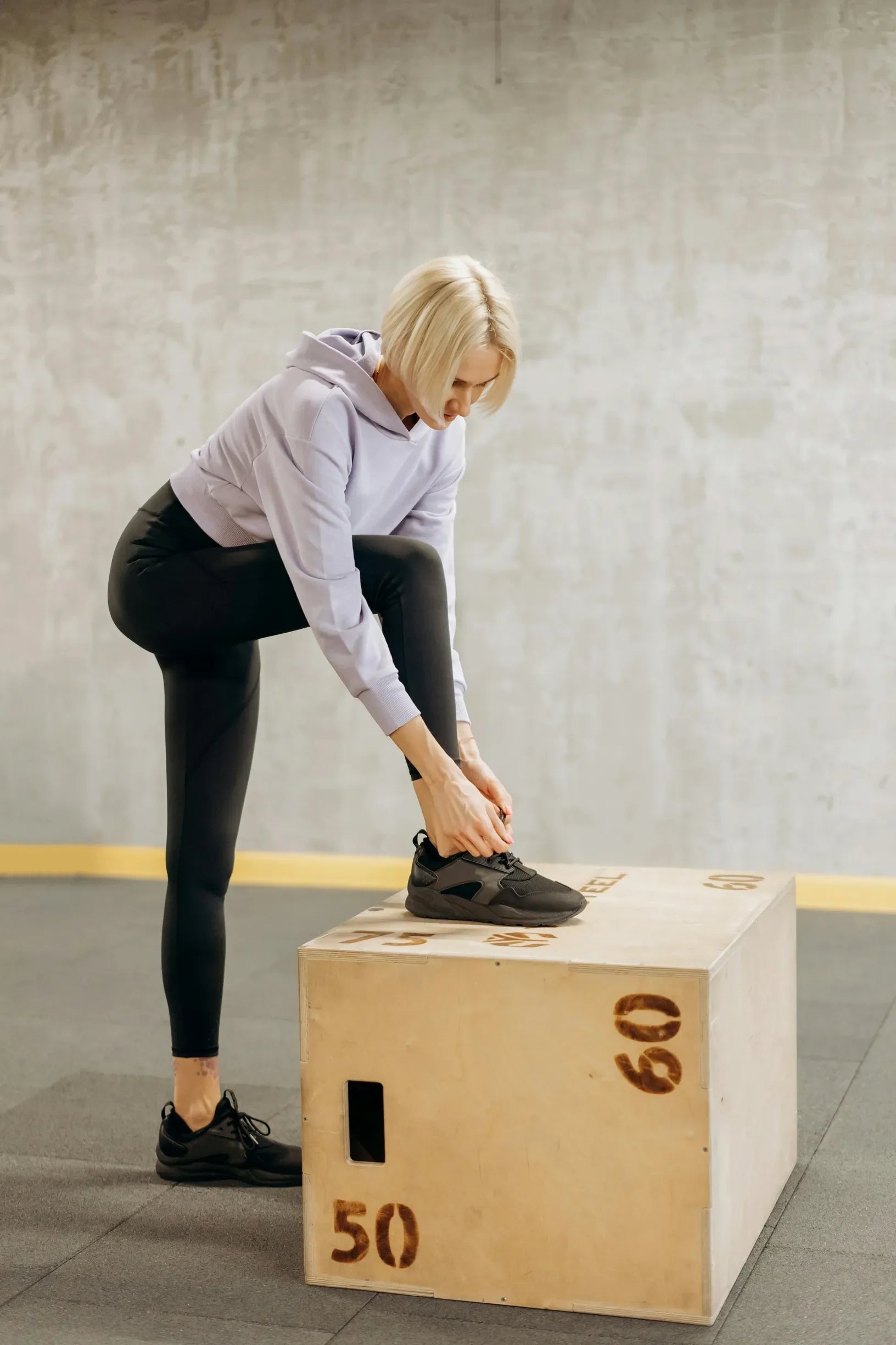
Try this practical alignment checklist to steady your posture and movement. Stand with feet roughly hip-width apart. Anchor your weight through three points on each foot: the heel, the base of the big toe and the base of the little toe. Keep the knees soft and the pelvis neutral. Stack the spine, drop the shoulders, lift the sternum and keep the chin parallel to the floor. Use a mirror or a short phone video to compare before and after. Practise a grounding drill by tuning into weight through the heel and the two toe bases to stabilise your centre of gravity. Rehearse gentle weight shifts and a single-leg hold until that sensation feels instinctive. Breathe with your diaphragm: inhale to expand the lower ribs, then engage the deep core lightly on the exhale. Test the effect by speaking a sentence before and after this breathing reset to notice reduced sway and a steadier voice.
Keep your head level and jaw relaxed. Look just above eye level to project calm authority without staring. Film a short entrance to compare tension, approachability and presence. Pair stillness with deliberate micro-movements: take a step, pause, and initiate gestures from the torso so motion feels controlled and intentional. Use a three-step posture reset before speaking: inhale, stack your spine and lower your shoulders to anchor presence. Practise these elements in short filmed entrances or quick rehearsals so you can iterate from visual feedback and refine alignment, breathing and movement.
Pair practice with a calm, structured everyday layer.

2. Anchor your weight and sharpen footwork for quicker, steadier movement
Establish a stable base. Stand with your feet hip-width to slightly wider, knees soft and weight centred over the midfoot. Lower your centre of gravity with a small bend so you can hold ground and move. Lead each step by shifting your weight deliberately rather than pushing or lunging. Push through the ball of the trailing foot to propel, then rotate weight onto the lead foot to stop and hold. Practise step-and-hold sequences so transitions look controlled. Use short, precise steps and plant each foot with intention. Absorb impact through bent knees and pivot on the ball of the foot when turning. Record yourself to spot wasted motion and refine efficiency.
Build balance and proprioception with targeted drills such as single-leg stands, heel-toe walks and short directional hops to strengthen ankles and sharpen response time. Only introduce changes of direction and head movement once your technique is consistently stable so gains transfer directly to performance. Match your stance to the situation: take a wider base to project static authority, switch to a narrower ready stance for manoeuvring, and adapt step length to the available floor. Wear low-profile trainers or sneakers with a grippy sole for reliable ground feedback, and rehearse precise foot placement using simple floor markers.
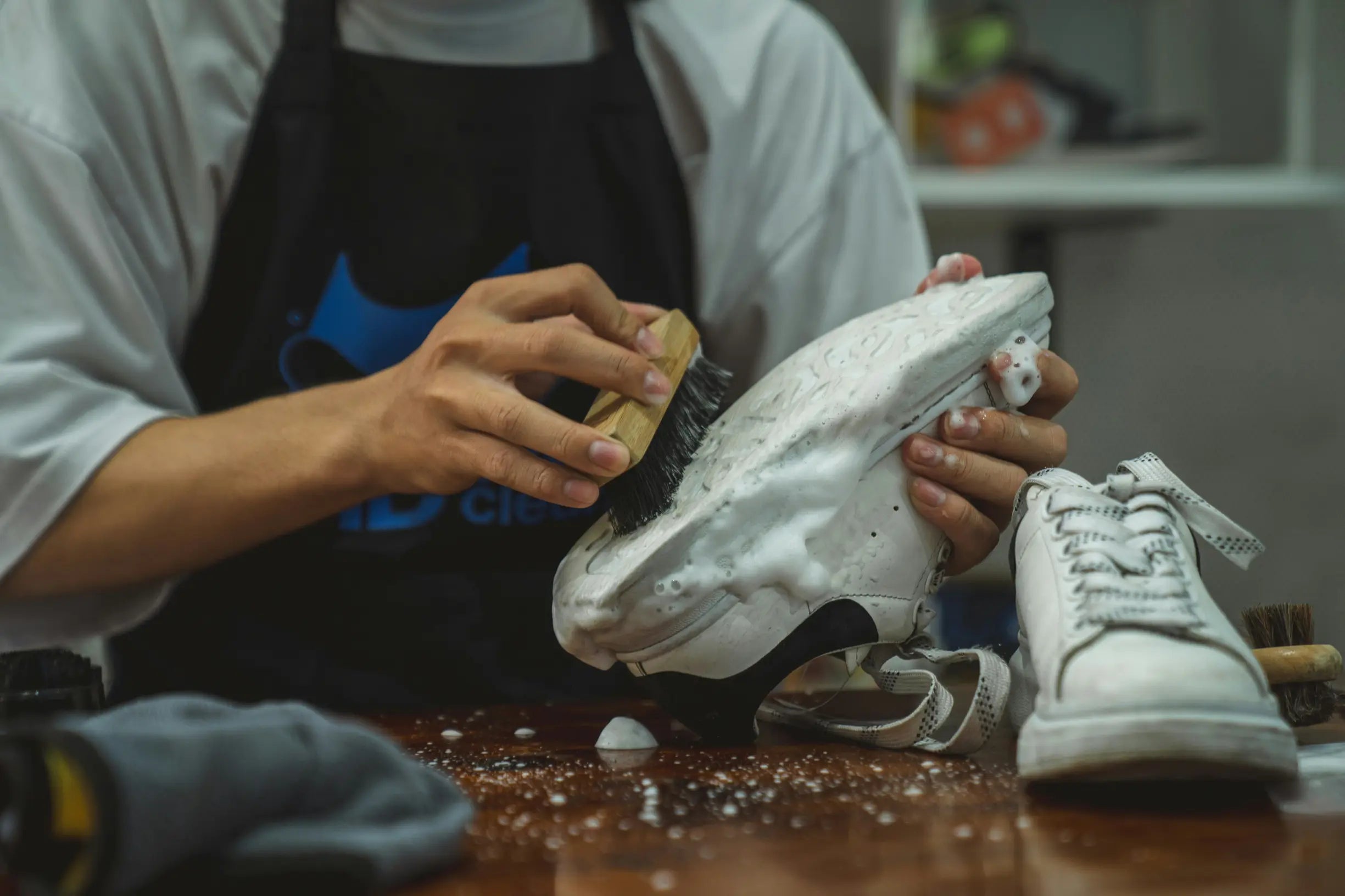
Adds grip and responsive cushion for controlled, faster footwork.

3. Plan purposeful pathways for every stage of progress
Begin by mapping the stage and sightlines. Sketch the performance area, mark entrances and audience zones, then choose three to five stop points where most people can see your full expression. Test these marks in rehearsal and adjust them until each stop provides a clear, unobstructed view. Assign anchor points to structure your talk by linking each major idea to a specific location and labelling them for rehearsal, so movement becomes a deliberate framing device that creates memorable visual beats.
Own the space with purposeful movement. Use diagonal paths to add depth, include side seating to broaden sightlines, reserve the centre for declarations of authority, and step laterally for quick topic shifts. Avoid repetitive pacing, which signals uncertainty. Synchronise movement with your rhetorical beats: move into position just before a key line, then stop and hold a pose so the audience links that location with emphasis. Rehearse routes in realistic conditions, wearing full wardrobe and a microphone, and walk planned pathways to check for cables and set pieces. Refine anchors and routes until every movement looks confident and unobstructed.
Step confidently with stable, refined footwear for stage presence.

4. Make your intent clear through gesture, expression and wardrobe
Own the room: time hand movements to lead key phrases by a fraction of a second and keep gestures within a 45 degree arc from the torso, using deliberate size and speed. Practise on video and reduce the size of your movements until every motion clarifies rather than distracts. Cultivate a listening face, then introduce small, repeatable cues such as a subtle eyebrow lift, a softened mouth or a brief smile to signal openness and emphasis. Record short clips and note microexpressions, blink rate and facial tension so you can spot involuntary tells and adjust them to match your intent.
Use your wardrobe to direct attention. Place a single muted accent close to the face, choose well-fitting pieces that define the shoulder line, and favour fabrics that move smoothly with you. Test outfits in the setting to judge colour and texture, and select footwear such as trainers or high tops that sit cleanly and support balanced movement. Minimise jangling jewellery and avoid high-contrast patterns across the torso; secure any loose items so nothing repeatedly redirects focus. Design your entry, hold and exit as a short choreography: step in with purpose, settle your weight and establish an anchor stance, then use one clear opening gesture to invite attention. Keep micro-movements controlled while speaking, close with a deliberate finishing gesture, and rehearse these transitions so they read as intentional signals rather than accidental ticks.
Wear a soft, shoulder‑defining tee for composed movement

5. Forge connection through confident eye contact and precise timing
Mark three to five anchor points across the space when you rehearse, and move your gaze between them as you walk. This spreads attention and gives your audience a sense of inclusion without fixating on any one person. Align eye contact with your verbal rhythm: hold steady eye contact at the end of a sentence or when landing a punchline, then release your gaze as you move on to the next idea. Rehearse with an annotated script so you can mark where to lock, soften or shift your eyes. Pair a responsive listening gaze with subtle nonverbal cues such as a slight head tilt, an acknowledging nod or a soft smile. If you notice puzzled expressions, slow down or expand the point to check understanding.
Avoid staring. Practise intentional breaks and a soft focus. Rather than locking on one person, drop your sightline to the space between people, glance away briefly to signal thought, then return. Record yourself to check whether your gaze feels natural or intrusive and use filmed rehearsals as a feedback loop. Invite peers to note the most engaging moments and compare their observations with the recording. Iterate until your gaze reliably supports your message, movement and emotional tone.
Own your movement and you own the room. A rehearsed posture grounds the body and steadies the voice. Precise footwork removes wasted motion. Planned pathways frame your key points. Intentional gestures focus attention. Deliberate eye contact creates connection. Practised together, these habits turn nervous ticks into clear signals of confidence.
Practise each technique in short, filmed rehearsals. Test outfits and sightlines, and set clear anchor points so movement feels purposeful rather than accidental. Make these drills habitual to replace hesitation with control, leave a clearer impression and make your ideas easier to follow.