
Article: 5 Sneakers That Transition from Desk to Weekend
5 Sneakers That Transition from Desk to Weekend
Can a single pair of trainers take you from the office to the weekend without looking out of place or leaving your feet sore? Learn how to choose and style versatile trainers that look polished with tailoring, pair effortlessly with denim, and stay comfortable all day.
To achieve that, favour low-profile silhouettes, sustainable materials, and cushioning that complements your foot shape, alongside styling tips and straightforward care to extend a trainer's life. Use these practical steps to cut wardrobe clutter, speed up getting dressed, and choose more sustainable, better-fitting trainers.

1. Choose a minimalist, low-profile trainer for a polished silhouette
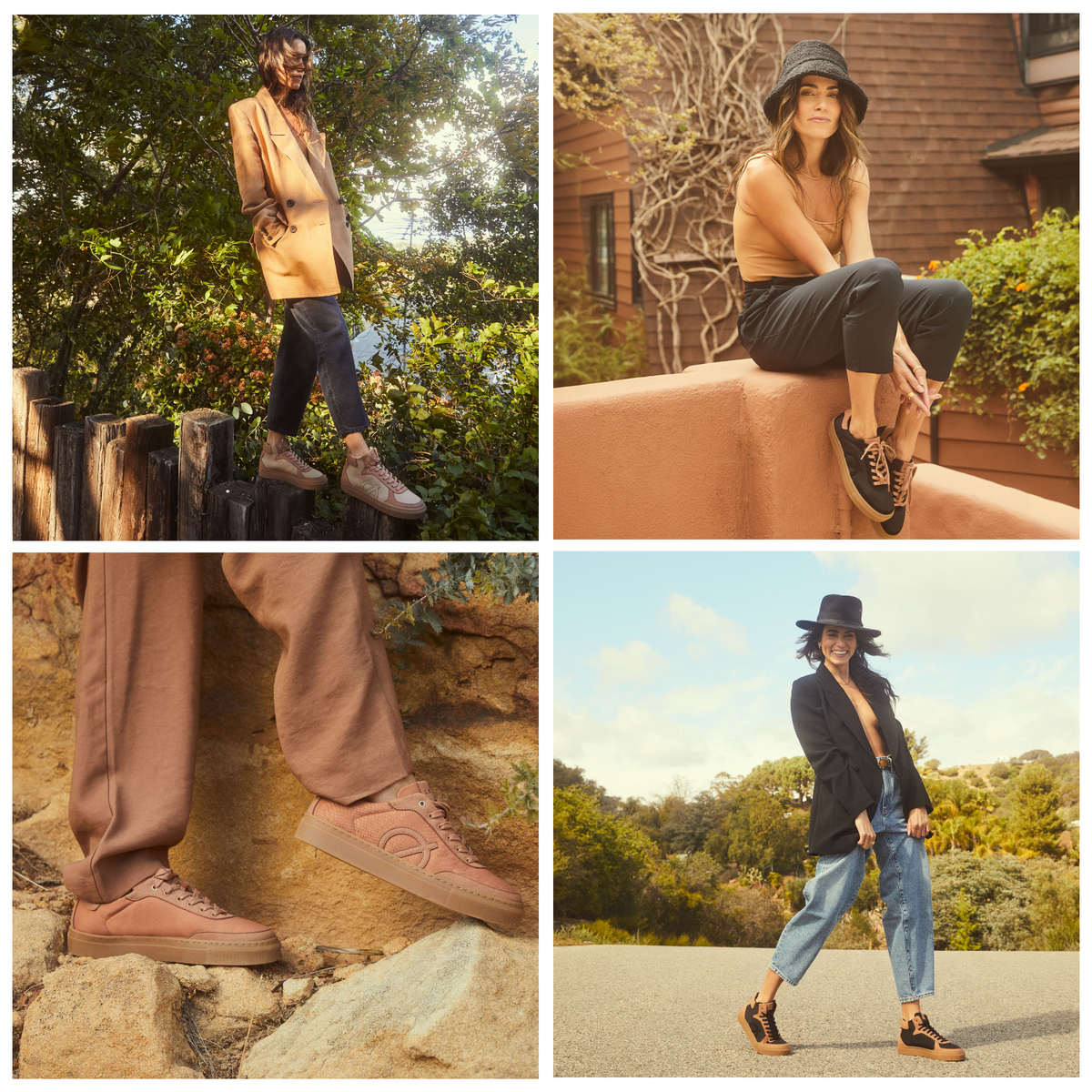
Prioritise silhouette and proportion when choosing a slim, low-profile trainer. A narrow toe box and low vamp let the shoe tuck under tailored trousers and graze midi hems, preserving the clean lines of workwear while sitting comfortably alongside casual denim. Opt for neutral colours, such as white, black, tan, navy, or grey, in smooth vegan leather, microfibre, or recycled suede-effect materials that integrate with a tailored palette and harmonise with relaxed weekend staples. Favour a thin or gently raised sole with minimal tread, and seek tonal stitching, small perforations, or discreet eyelets that add visual interest without compromising a professional silhouette. Such details keep the trainer understated for the office while making it versatile enough to pair with informal outfits.
Bridge work and weekend looks by switching context. For the office, wear cropped trousers, a crisp shirt, and a structured blazer, or a fitted midi skirt with a fine-gauge knit. For downtime, swap to slim jeans with rolled cuffs, a casual dress, or a lightweight jacket. Choose no-show liners or fine-ribbed, low-cut liners to maintain a neat ankle line and avoid bulk that breaks the silhouette. Keep your trainers and sneakers purposeful: wipe off dirt after wear, condition smooth leather, brush suede gently, rotate pairs so materials can breathe, and use shoe trees or tissue stuffing to preserve shape.

2. Choose vegan suede or recycled-fibre trainers for sustainable style
If you want that office-to-weekend versatility with lower environmental impact, choose vegan suede or recycled-fibre trainers featuring a low-profile silhouette, neutral colourway, minimal detailing, and a matte suede-like finish that suit the office while remaining weekend-ready. Pair them with tailored trousers and an unstructured blazer for work, then swap to jeans, a knit, or a casual dress to see how one pair covers both wardrobes. When buying, read the material notes for terms such as microfibre, recycled polyester, or recycled nylon, check stated recycled-content percentages, and seek third-party verification or clear supply-chain transparency. Useful certifications to look for include the Global Recycled Standard and the Recycled Claim Standard; for textile processing and chemical safety, OEKO-TEX and bluesign are helpful indicators. Brands that publish supplier lists, traceability details, or audit reports provide stronger evidence behind material claims.
Restore a synthetic-suede nap with a soft suede brush, then spot-clean stains using a damp cloth and a mild detergent. Apply a protector labelled safe for synthetic suede, stuff the trainer to retain its shape, and air-dry away from direct heat. Beyond cleaning and protection, make buying decisions that support longevity and comfort: prioritise firm arch support, a stable midsole, a slip-resistant outsole, breathable lining, and removable insoles if you use orthotics. Before you buy, test forefoot flex and heel stability on a hard floor to confirm comfort. Prefer stitched construction or models with replaceable soles, and favour trainers made from separable materials so components can be repaired or recycled. Check whether the manufacturer offers repair or take-back programmes, since repair and reuse options materially reduce waste and long-term environmental impact.

3. Select cushioned, supportive trainers that match your foot shape
Begin with a quick at-home measurement and arch check. Trace your foot on paper to record length and width, then make a wet imprint to reveal low, neutral, or high arches. Use that footprint to compare with a trainer’s last (the internal shape of the shoe) and the toe-box profile, so you can match design to foot shape. When trying trainers on, check for a firm heel counter and a locked heel to reduce slip and blisters, and confirm forefoot flexibility so your toes can push off naturally. Fit trainers with any removable insoles or orthotics you normally use, and walk in them wearing the foot covering you usually choose; there should be adequate toe room and no pressure points.
Whether you prefer sneakers, trainers, or high tops, choose support by arch type, not marketing claims. Flat feet benefit from stability features and medial support, high arches need pronounced cushioning or contoured insoles, and neutral arches suit balanced, responsive midsoles. Press the midsole to check foam rebound, and inspect the outsole for zonal support and grip to make sure the shoe performs and endures rather than merely feels soft. Favour a lower-profile sole that still absorbs impact so trainers sit neatly under work trousers, yet protect your feet during long days on your feet.

4. Wear classic monochrome trainers with tailoring by day, denim at the weekend
Choose a low-profile, monochrome trainer in vegan leather or a smooth synthetic. Its sleeker silhouette sits close to the line of a tailored trouser, minimising visual clash and preserving a polished appearance. For weekend outfits, swap to a slightly chunkier or textured trainer to relax the look while keeping the same base colour for cohesion. That single monochrome pair can anchor both a smart, tailored outfit and a more casual denim-based ensemble.
Control proportions by adjusting trouser cut and hem. Aim for a minimal break or a cropped length so the trainer stays visible and the line of the leg remains clean. Choose straight or tapered jeans and add a small cuff or roll to signal casual intent. Mind materials and contrast to add interest without clutter: pair smooth leather trainers with wool or gabardine tailoring, and canvas or suede trainers with textured denim or casual outerwear. Use small details to shift perceived formality: swap a dress shirt for a fine knit, trade a leather belt for a canvas one, and vary footwear liners or go bare-ankle to soften the look. Keep trainers well maintained: condition leather, minimise scuffs, and clean sole edges so they read as intentional in meetings and relaxed outings.

5. Maintain, resole, and responsibly recycle trainers to extend their life
Match your care to the material. Use a soft brush to remove grit, treat vegan leather and coated materials with a cleaner and conditioner formulated for synthetics, and hand-wash canvas or knit uppers — or launder them on a gentle cycle inside a wash bag. Allow trainers to air dry away from direct heat. Once dry, apply a water-and-stain protector suited to the material to reduce future damage and keep colour and finish consistent for work-appropriate looks. Inspect soles, midsoles, and seams regularly for tread wear, midsole compression, and loose stitching, and rotate pairs to even out wear. Use shoe trees or absorbent stuffing to maintain shape, wick moisture, and slow creasing and odour.
Start by inspecting the upper: if it holds shape and shows no major tears or delamination, resoling can be a practical choice. A qualified repairer can restore traction and support and substantially extend a shoe's usable life. DIY sole kits work only for minor tread wear and require steady hands and the right tools. Tackle small problems early: replace worn insoles, restitch loose seams, remove scuffs with suitable cleaners, and reseal sole edges to prevent water ingress. Keep a basic repair kit with needle, thread, contact adhesive, and a brush to make quick interventions straightforward. When retiring trainers, donate them, take them to textile recycling, or repurpose parts. When buying new trainers, favour designs with sewn uppers and replaceable soles, as these are easier to mend and generally remain serviceable for longer.
A single, well-chosen pair of trainers can bridge office and weekend wardrobes when silhouette, materials, and support work with both tailoring and casual wear. Choose minimal detailing and neutral colours to preserve a polished line, and prioritise responsive cushioning and a secure heel lock to avoid discomfort during long periods on hard floors. Where possible, favour breathable, low-impact materials to support comfort and longer-term environmental responsibility.
Start with five practical principles: silhouette, sustainable materials, tailored support, monochrome styling, and repairable care. These reduce wardrobe clutter, speed up getting dressed, and favour longer-lasting footwear. Prioritise fit and routine care. Resole when the upper is still sound, and choose separable materials so you can repair, recycle, and keep trainers working longer.