

Can You Wear Lifestyle Vegan Trainers for the Gym? A Practical Activity-by-Activity Check
Yes, sometimes. A lifestyle vegan trainer is an everyday, animal-free trainer designed for general wear and movement; it is not automatically a performance shoe because it looks sporty, feels comfortable or uses recycled materials. For a gym session built around walking, machines, mobility, bodyweight work or lighter resistance, one secure pair may be a sensible lower-waste choice.

Start with the session, not the word ‘vegan’
‘Vegan’ describes the materials and construction choices, not the activity range. A lifestyle trainer may be excellent for commuting, the high street and an easy gym session, while a running shoe, cross-trainer, lifting shoe or court shoe is shaped around a more specific demand. The useful question is: what is the most demanding part of today’s session, and does this pair give you a secure, predictable base for it?
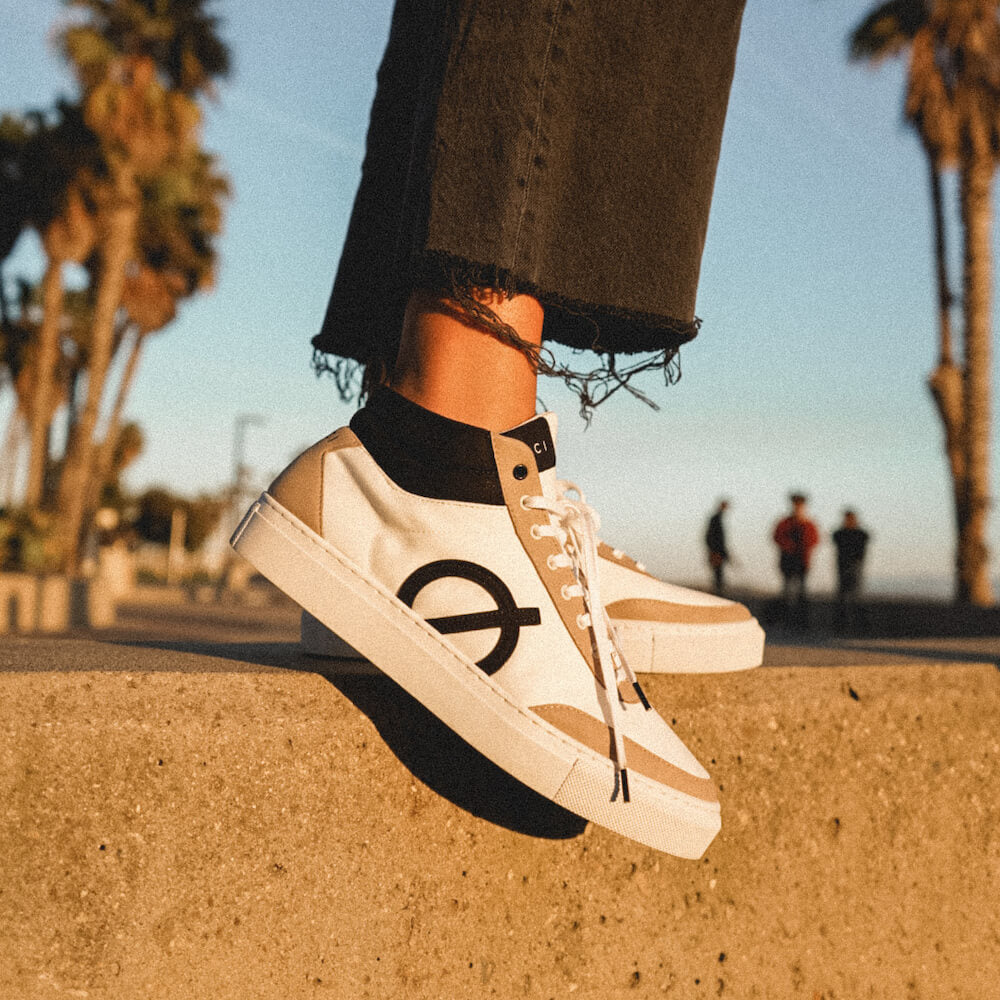
A pair such as LØCI FLØ shows how a lifestyle trainer can be positioned around movement, versatility, workouts and comfort. Use that as a starting point, then judge the actual construction, the session and your response to the shoe rather than relying on product language alone.


Likely suitable: everyday movement and low-impact gym work
These activities usually place less demand on impact management and lateral control. A lifestyle pair can be reasonable when it fits securely, grips the floor and remains stable as you move. Keep the intensity manageable at first, particularly if the shoes are new or have been worn mainly for commuting.


Check carefully: mixed sessions and moderate movement
Treadmill walking, gentle cycling, rowing, low-impact classes and moderate circuits sit in the middle. The right answer depends on the pair and the session: cycling may expose sole flexibility or foot pressure, rowing can make heel hold noticeable, and circuits may add quick steps or short bursts that a soft, high lifestyle sole does not handle well.
Use a conditional rule: if the activity stays controlled and your feet remain planted, the trainer may work; if the session becomes springy, fast, slippery or side-to-side, reassess. A cushioned, lightweight design such as LØCI DØPAMINE may illustrate a more expressive, movement-led lifestyle direction, but its product positioning should not be read as specialist testing for running, HIIT, lifting or court sport.
Likely suitable, if the pair passes your checks
- Walking to and from the gym, warm-ups and everyday commuting.
- Mobility, stretching, controlled bodyweight exercises and floor-based work.
- Resistance machines where your feet stay planted and the movement is predictable.
- Light dumbbells, cable work and simple strength exercises at a manageable intensity.
- Low-impact movement where you are not repeatedly landing, sprinting or changing direction quickly.

Choose specialist footwear when demand rises
Running, sprinting, repeated jumping, fast HIIT and rapid lateral drills create a different footwear brief. They increase impact, braking, push-off and side-to-side demands, so a running shoe, cross-trainer or sport-specific shoe may offer more appropriate cushioning, grip, containment or control. A lifestyle sole that feels pleasant on a commute can still feel unstable when you land, cut or accelerate.
Strength work also becomes more specific as load and technical demand increase. Squats, deadlifts, lunges and split squats do not all require the same shoe, but a very soft or compressible sole can make balance and force transfer feel less predictable. For heavier or technical lifting, consider a firmer, flatter or purpose-designed platform, and follow the guidance of your coach or facility where relevant.


The five-minute trainer check
Before adding speed, impact or load, test the pair in the environment where you plan to use it. Wear the socks you normally train in and check both shoes together rather than judging one foot at a time.
Start with a few simple movements: walk, rise on your toes, bend into a shallow squat, step forwards and sideways, and perform controlled bodyweight repetitions. Stop and change footwear if you notice sliding, heel lift, wobbling, sole collapse, rubbing, numbness or a change in technique.
Then inspect the construction. The heel should hold without digging in, and the toe box should leave room for natural spread without letting your foot slide. The upper should contain the foot during gentle side steps, the outsole should grip the surface, and the midsole should feel supportive rather than excessively soft or already compressed. Flexibility is useful for walking and general movement, but too much bend or twist can feel less secure under load. Check the floor, keep the pair in good condition and progress one variable at a time.
The right lifestyle vegan trainer is the one that suits the hardest movement in your routine, not simply the one with the most cushioning or the most convincing materials story. If the shoe feels secure and predictable at the intensity you actually train, it can be a practical, lower-waste choice. When the session outgrows that base, let the activity guide your next footwear decision.
FAQ
Can I wear lifestyle vegan trainers for a gym workout?
Often, yes, when the session is controlled and the pair feels secure. Vegan describes the materials, so assess the shoe’s fit, grip and stability for the activity you have planned.
Are vegan trainers suitable for treadmill use?
They can suit walking or gentle, occasional treadmill work when the sole and heel hold feel predictable. Repeated running or faster intervals call for a running-specific brief.
Can I lift weights in lifestyle vegan trainers?
They may suit light, controlled resistance work. As loads or technical demands increase, a firmer, flatter or purpose-designed platform may give you a more predictable base.
What does ‘for workouts’ on a product page actually prove?
It describes intended positioning, not a guarantee for every workout. Match the shoe’s construction and fit to the demands of your session, then test it gradually.
When should I stop using a lifestyle trainer for a session?
Stop or change footwear when the shoe causes discomfort, movement you cannot control, or a noticeable loss of grip, balance or technique. Treat that response as useful feedback about the match between shoe and activity.
Do LØCI FLØ and DØPAMINE count as specialist gym shoes?
They are lifestyle examples with movement-led design cues, but whether either suits your session depends on the pair, your fit and the activity. Use the checks in this guide rather than assuming a product name or description settles the question.