
Vegan Trainers in Hot Weather: How to Assess Breathability Before a Long Day Out
A vegan trainer’s materials describe what a shoe is made without; they do not tell you how easily air moves through the upper or how quickly moisture can leave the shoe. For a warm commute, sightseeing day or outdoor event, assess the whole construction: upper, lining, insole, fit, socks and the conditions you expect to face.
Ask how the complete shoe might manage air, heat and moisture over several hours. A sensible product-page check followed by an at-home walk test will give you a more realistic answer than a material name alone.

What “breathability” means in a vegan trainer
Breathability is about airflow through the shoe. Moisture management is about how sweat is absorbed, wicked or allowed to dry. Heat retention is how much warmth the materials and padding hold around your foot. Water resistance is protection from rain or splashes. Cushioning is underfoot comfort. These qualities can overlap, but none is a substitute for the others.
An open knit or engineered mesh may allow more airflow than a tightly coated panel, while a water-resistant finish may reduce air movement. That is a trade-off, not a rule that one shoe is better in every situation. A trainer can feel soft and cushioned yet still become warm if its lining, tongue and insole hold moisture close to the foot.


Inspect the upper before you buy
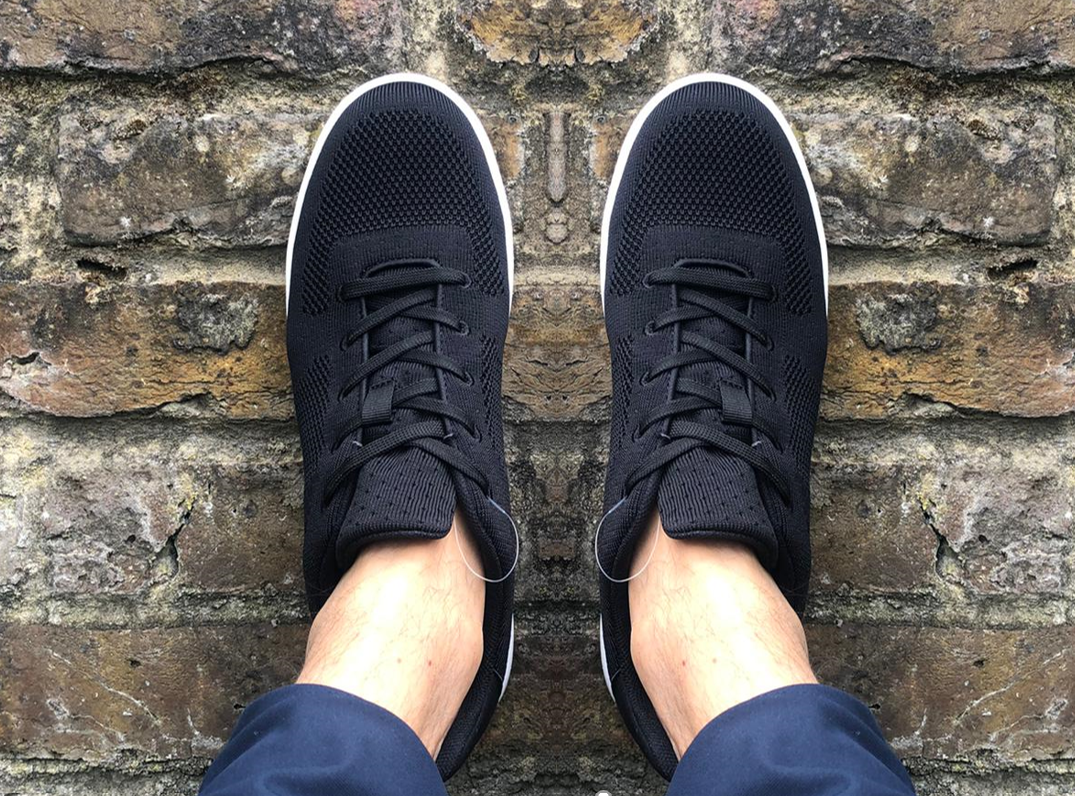
On a product page, identify the main upper material and then look for construction details rather than relying on labels such as “bio-leather”, “recycled synthetic” or “plant-derived”. Open knit and engineered mesh can suggest more ventilation, especially across the vamp and side panels. Perforations, lighter-colour panels and fewer large overlays may also leave more area for air exchange, although holes alone do not prove that the lining underneath is airy.
Structured vegan-leather styles can bring a polished shape and useful protection, but a dense, coated or laminated surface may feel warmer than a lighter knit or mesh. Check whether the finish is described as water-resistant, coated or wipe-clean: those features may be practical in changeable weather while limiting airflow. Look at close-up photographs for thick toe caps, sealed seams and broad overlays, which can create warm zones even when part of the shoe is perforated. Keep these observations in mind when comparing individual LØCI product pages later: material families can provide context, while the model’s construction determines the likely experience.


Look beyond the upper: lining, tongue and insole
A breathable-looking upper can still feel stuffy if the lining, tongue or collar is thick and densely padded. On product pages, look for the lining material, whether the tongue is lightly constructed or heavily padded, and whether the collar uses plush foam. In person, run your fingers around the inside for bulky seams, stiff edges or areas likely to trap heat and create rubbing.
Bamboo lining can be discussed as a soft, comfortable material in LØCI’s guidance on vegan leather and bamboo lining, but it should not be treated as a guarantee that every shoe will stay cool, dry or odour-free. The same applies to cork insoles: cork may contribute to a particular underfoot feel and resilience, but it does not by itself provide a whole-shoe breathability rating. Check the actual product information for the pair you are considering.
If the insole is removable, lift it out and inspect its thickness, surface and underside. A thick foam layer may feel supportive but retain more warmth. A removable insole can also make airing and drying easier, provided the manufacturer’s care instructions allow it.

Fit matters more as the day gets warmer
Feet can feel larger or more pressured after hours of walking, particularly in warm conditions. A close fit may reduce internal movement at first but leave less room when feet warm, while thick padding can increase pressure and heat around the heel and ankle. Look for sensible toe room, a secure heel and enough width for your natural foot shape rather than sizing down for a sharper silhouette.
Try the trainers with the socks you intend to wear. Walk, turn, climb a stair and stand still for several minutes. Notice whether your toes can move, whether the heel slips, and whether the tongue or collar presses in one place. Stop the test if the shoes feel painful or cause persistent rubbing; do not assume a pair will “break in” comfortably during a long day out.


Choose socks that can manage moisture
For a long warm day, favour socks that fit smoothly, allow some moisture to move away from the skin and do not bunch under the toes or heel. Low-profile performance socks can work well if they are comfortable in the shoe; a slightly higher, well-fitting pair may offer more protection where the collar rubs. The right choice depends on your feet and the trainer’s volume, so test the exact combination.
Avoid assuming that very thin means cooler. A flimsy sock can shift, leave damp patches against the lining or increase friction. Likewise, a thick cotton sock may hold moisture for longer once wet. If your feet become damp, change into a dry pair rather than adding more product or tightening the laces. LØCI’s studio-to-street styling guidance also recommends rotating socks and allowing shoes to dry between uses.

A simple inspection checklist before buying
Use the product page and photographs to work through these checks:
Upper — Is it knit, mesh, smooth, coated or a mixture? Are the ventilated areas substantial or mostly decorative?
Openings and overlays — Can you see perforations, mesh panels or a lighter construction, and how much of the shoe is covered by impermeable overlays?
Inside — Is the lining named? Are the tongue and collar lightly padded or heavily cushioned?
Insole — Is it removable, and is its thickness or material described without promising cooling or odour control?
Fit — Is there a size guide, return option and enough information to avoid choosing a close, restrictive fit?
Trade-offs — Would you prefer more airflow for a dry, hot day, or more structure and weather protection for mixed conditions?


How to run an at-home hot-weather test
Treat a home test as a practical comfort check, not a scientific measurement. Wear the trainers with your intended socks indoors for 30–60 minutes, then walk on different surfaces, use stairs and stand for a while. If you can, repeat the test at the warmest part of the day without deliberately overheating yourself.
Notice where warmth builds first, whether dampness lingers, and whether the upper flexes naturally. Check for heel slip, toe pressure, seam rubbing and a feeling that the tongue or insole is holding heat. Remove the shoes afterwards and let them air naturally; inspect whether the lining or insole feels noticeably damp. You cannot turn these observations into a precise breathability score, but they can reveal obvious incompatibilities before a full day out.

LØCI examples: use the product page, not a shortcut
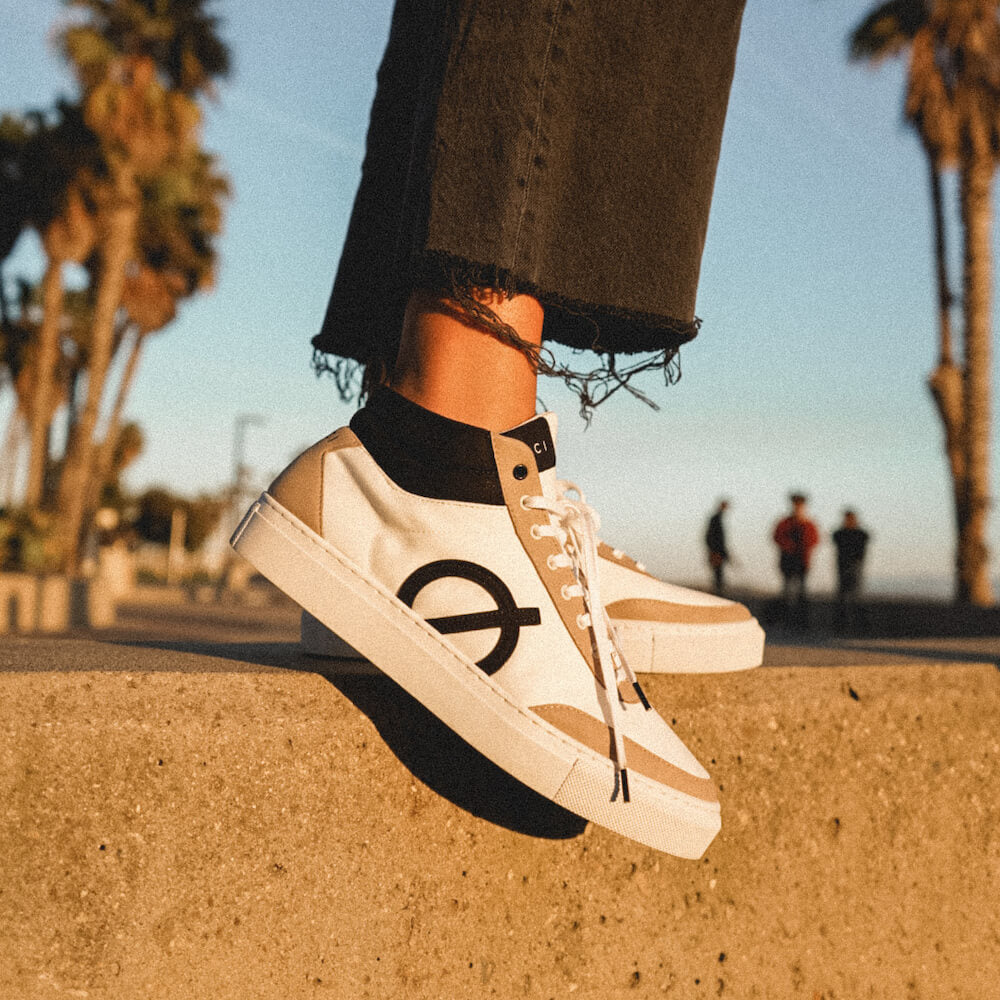
This is where the product-page checklist becomes useful. You can compare the LØCI Atom White Peach White, LØCI Atom White Sage White and LØCI Origin Bio-Leather White Pink Sand as style options, then inspect each product page for the upper, lining, insole, perforations and padding. Their colourway names and shared vegan positioning do not indicate how much air each model allows through.
LØCI’s overview of how vegan leather is made discusses material families including plant-derived and recycled inputs. That provides useful context for the brand’s approach to thoughtfully sourced vegan footwear; it does not replace model-level information. If a product page does not answer an airflow question, treat it as unknown rather than filling the gap with a general material claim. You can then use the at-home test below to check whether the pair suits the conditions you expect.

Heat-management habits once the day begins
Once you have chosen the pair, reduce heat and moisture build-up rather than trying to transform the shoe. Take short breaks in shade or an indoor space, loosen the laces slightly when you are seated, and air your feet if the setting allows. Carry a spare pair of socks for a long day, especially for travel or an outdoor event.
Avoid wearing the trainers while they are still damp from rain or a previous outing. At home, remove the insoles if they are designed to come out and let the shoes dry at room temperature in a well-ventilated place. Do not use a radiator, hairdryer or prolonged direct sun, which can damage adhesives, finishes and materials. Follow the care instructions instead of applying unverified sprays intended to create airflow or mask odour.

Frequently asked questions
Does vegan footwear breathe? It can. Look for the upper, lining and construction details of the specific model rather than relying on the vegan label.
Does bamboo lining make a trainer cool and dry? It may feel soft and comfortable, but the product’s full construction still determines how it performs in warm conditions.
Are cork insoles breathable? Consider cork as one part of the insole design; check its thickness, surface and removability alongside the rest of the shoe.
What should I do if my feet get hot during the day? Take a short break and change into dry socks if needed. Persistent dampness or discomfort is a sign to stop wearing the pair.
When should I choose a different pair? Choose another style, or shorten the planned wear, when your home test reveals heat build-up, pressure, heel slip or rubbing.
Use one decision rule before committing to a full hot-weather day: if the complete shoe feels warm, restrictive or damp during a realistic home test, choose a different pair or shorten the outing. Comfort in the conditions you expect is more useful evidence than a material label alone.