

Article: Top 5 Sneakers to Nail Smart-Casual Style: Outfit Pairings, Fabrics, and Finishing Touches
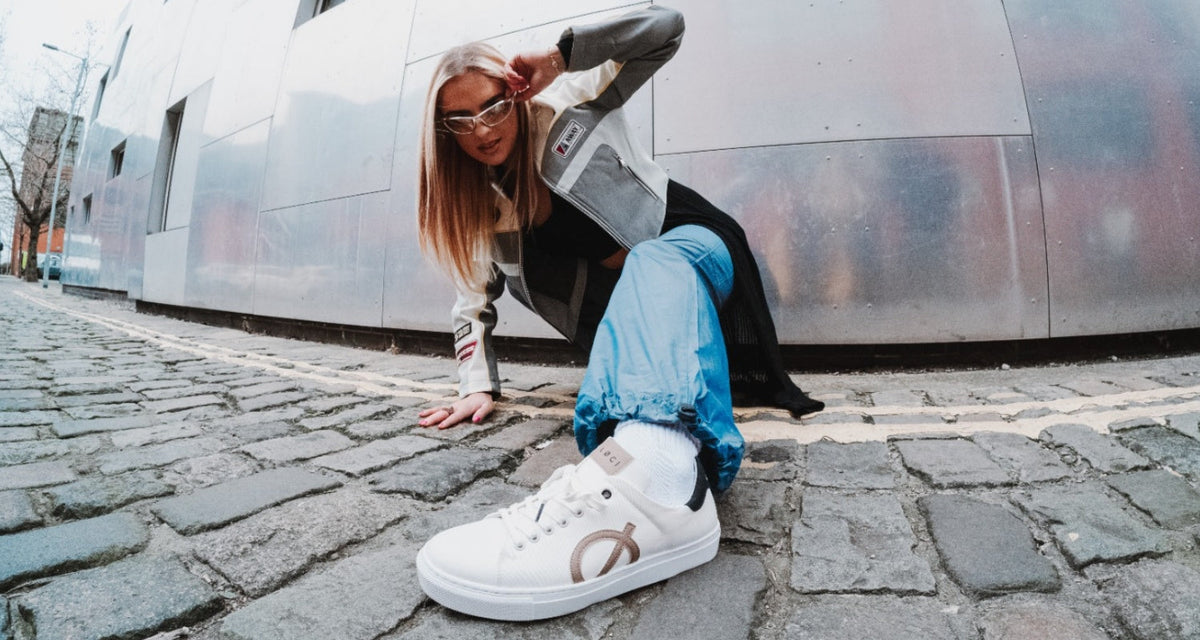
Top 5 Sneakers to Nail Smart-Casual Style: Outfit Pairings, Fabrics, and Finishing Touches
Making sneakers work with smart-casual outfits requires intention. Small decisions about silhouette, material, colour, and how trainers sit alongside tailored pieces determine whether an outfit reads polished or undone: a sleek silhouette, refined material, and a tonal colour palette keep a look sharp, while a bulky sole, heavy texture, or clashing colours can undermine tailoring.
This guide lays out five practical considerations: choose a silhouette that flatters your frame, favour sustainable, high-quality materials, balance colour and texture, pair trainers and sneakers with tailored pieces, and perfect fit, finishing touches, and care. Read on for outfit pairings, fabric recommendations, and maintenance tips that help your trainers and high tops harmonise with tailoring, last longer, and sharpen your overall silhouette.

1. Choose a sneaker silhouette that complements your frame and movement
Match shoe height and sole bulk to your proportions. Low-profile shapes elongate the leg line because they reduce visual interruption at the ankle; chunkier soles balance broader chests and shoulders; mid-tops sit neutrally between the two. Use toe shape and vamp length as visual levers: a narrower toe and shorter vamp make the lower leg read sleeker and longer, while a rounder or square toe looks more casual and visually shortens the leg. Stand side-on in a mirror wearing the trousers and legwear you plan to pair, and adjust the trainer until it directs the eye upward or downward as you intend.
Match sneaker silhouette to your trouser cut and length. Low-profile trainers work best with cropped or tapered trousers that reveal the ankle, while bulkier sneakers tolerate fuller hems and a slight break. Pair sneaker bulk with your outfit’s fabrics and outer layers: streamlined styles sit best alongside lightweight suiting and cotton chinos, and textured or heavier sneakers feel right with tweed, heavyweight knits, or an overcoat. Hold garments next to the shoe to judge visual weight and cohesion, and experiment with cuff height and ankle visibility to fine tune the proportion between foot and leg. Small fit and finishing details, such as sole height, lacing, tongue thickness, and ankle coverage, change how a sneaker reads, so try thinner liners or low-profile ankle coverings, loosen laces to broaden the foot, and check the look while seated and walking to ensure the silhouette stays balanced.

2. Prioritise sustainable, high-quality, ethically sourced materials
Inspect the upper materials and finishes. For a quick read on quality, look for indicators you can feel and see: a tight, varied grain and a supple but firm hand in full-grain leather; an even nap and robust backing in suede or suede alternatives; and a dense weave plus internal lining in canvas that predict how the shoe will age, scuff, and accept polishing or brushing. Verify sustainability claims by checking for third-party certifications, stated recycled content percentages, and clear supply-chain information. Look for recognised standards such as the Global Recycled Standard or OEKO-TEX, or PETA-Approved Vegan for explicitly animal-free options, and favour vegetable tanning for animal leathers, or verified recycled fibres and certified plant-based alternatives for vegan materials, over vague "eco-friendly" language. Assess construction for longevity and repairability: visible stitching at the welt or sole usually signals repair potential, flex the forefoot to test natural movement and resilience, and avoid designs that trap the upper in a permanently cemented sole if you intend to resole. These physical signs give concrete evidence of how a shoe will perform over time, and whether repair will be a practical option.
Choose breathable, replaceable interiors, such as plant-based leathers, moisture-wicking linings, and removable cork or foam footbeds. These features boost comfort, speed drying, and reduce odour over a shoe's lifespan. Care for each material appropriately: use water-based cleaners and conditioners on plant-based leather, a soft brush on suede or suede-like fabrics, and gentle washing for canvas, and rotate pairs to allow materials to recover. Finally, check whether soles, eyelets, or insoles are repairable or replaceable so you can extend a shoe's serviceable life rather than replace the whole pair.

3. Balance colour and texture to style trainers and outfits cohesively
Start by establishing a clear colour hierarchy: pick a dominant colour for most pieces, a secondary colour for mid-sized items, and an accent colour echoed in your trainers to create cohesion and reduce visual clutter. Match fabric finishes to control how the outfit reads: suede and canvas absorb light and sit well with matte wool or cotton, while glossy leather complements structured shirts and blazers. Use contrasting finishes sparingly to add depth without competing textures. When silhouettes matter, let proportion guide you so the trainer shape complements trousers rather than overwhelms them. Where possible, favour durable, low-maintenance fabrics that age well to keep looks intentional and long-lasting.
Pair chunkier, athletic-profile trainers with tapered or cropped trousers to avoid overwhelming the leg, and reserve slimmer, low-profile sneakers for wider or fuller trouser shapes to maintain visual balance. Echo small details across pieces by repeating a sole, stitch, or lace colour in a belt, watch strap, or pocket square, and decide whether the ankle line should disappear or let an accent colour show. Prioritise finishing and care: keep uppers and soles tidy, replace frayed laces, and press or hem trousers for a clean break. Attend to scuffs and creases so your trainers read as an intentional element of a smart-casual outfit rather than signs of neglect.

4. Pair trainers with tailored pieces to balance proportions
Balance proportions: pair slim, tapered trousers with chunkier sneakers or trainers, and match low-profile shoes with wide-leg trousers to stop the hem from stacking and preserve a clean silhouette. Let jacket structure control visual weight. A structured, single-breasted blazer sharpens softer soles, while an unstructured jacket complements sportier trainers and helps the outfit read as intentional. Mind layering length: a mid-thigh coat offsets thicker soles, whereas a cropped jacket suits low-profile shoes, creating a coherent vertical line.
Match fabric weight and texture to your trainers. Let heavier wools and twills ground leather or suede sneakers, and choose canvas or mesh for linen and lightweight cotton to avoid a visual mismatch. Invest in tailoring and finishing: hem trousers to remove excess fabric, press creases for a neater fall, and taper where necessary so proportions read sharp. Care for your footwear by keeping uppers clean and attending to the soles, and pick thin, low-profile liners that minimise bulk so the shoe registers as a dressed component. Coordinate belt and liner colours, and echo textures between accessories and shoes to pull a look together without overpowering any single element.

5. Fine-tune the fit, finishing touches, and long-term care
Start by getting the fit right: aim for about a thumb's width at the toe with a locked heel. A slipping heel causes blisters and creases, while excess toe room flattens the silhouette. Match your trainers' toe shape to your trousers: sleeker toes for tapered legs, rounder shapes to balance fuller silhouettes, so the overall look appears intentional. Lift the look with small finishing touches: swap in flat or waxed laces, trim frayed threads, and tidy glue marks at the sole edge. For material care, rub a small amount of leather cream into smooth leather to restore colour and moisturise, and use a suede brush and eraser to raise the nap, taking care not to over-brush.
Control bulk and the visible ankle line by choosing the right liner height and thickness. Low-cut liners preserve a cropped trouser break, thin cotton or merino liners keep the vamp (the upper over the toes) close to the foot, and thicker liners alter the fit and how the trouser falls. After wear, wipe away salt and dirt, brush fabric or suede gently, and let trainers air dry supported by shoe trees or crumpled paper to retain shape. Follow water- and stain-repellent product instructions, and test any treatment on an inconspicuous area first. Rotate pairs, replace compressed insoles, and address sole wear, loose stitching, or separation early to preserve proportions and delay more extensive repairs.
Smart-casual sneakers succeed when you choose a silhouette, material, colour, and care routine that complement your proportions and tailoring. Select a profile that balances your outfit, for example opting for a low, streamlined sole with tailored trousers and chunkier trainers with relaxed fits; favour repairable, breathable materials, and attend to finishing details such as clean sole edges, neat stitching, and tidy laces to keep the look intentional rather than merely casual.
Use the side-on mirror test to judge proportion, inspect uppers and linings for repairability, and rotate pairs to extend their serviceable life. Make these checks part of your routine; well-maintained sneakers will anchor tailored outfits with clarity, longevity, and purpose.

