
Article: 3 Design Features That Make Vegan Trainers Work-Ready and Weekend-Friendly

3 Design Features That Make Vegan Trainers Work-Ready and Weekend-Friendly
Finding footwear that looks professional on the high street yet stays comfortable on a long commute often feels like a compromise. Vegan trainers can bridge that gap, but many designs fail to deliver the necessary balance of fit, support, and material durability.
Decide whether a trainer suits both the office and the weekend by checking three practical features: tailored fit, day-long support, and durable, stylish vegan materials. This guide shows how to judge each feature so you can choose trainers that keep you comfortable and polished.

1. Tailor your trainers to transition from work to weekend
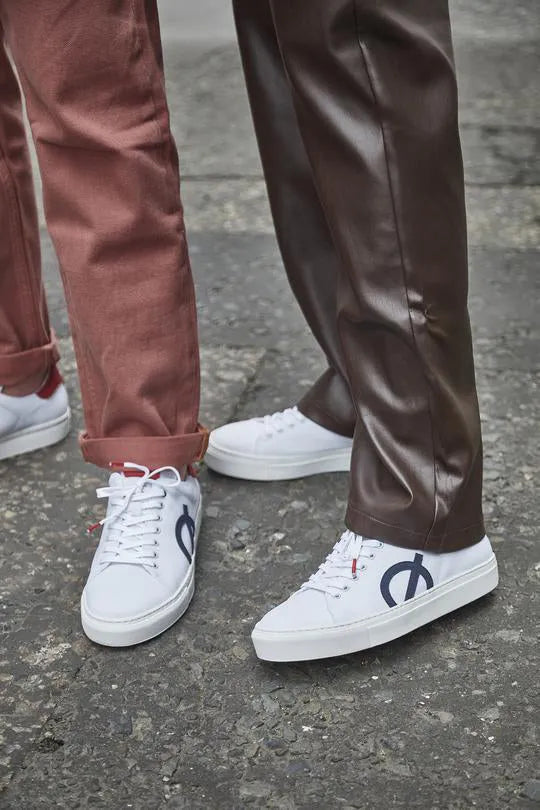
Choose a low-profile silhouette to sit neatly beneath tailored trousers, or pick a chunkier sole to create relaxed proportions for weekend outfits. Swap thick athletic liners for thin dress liners to streamline the ankle line, and use straight bar lacing to reduce visual width and slim the instep. Fit removable insoles, heel grips, or tongue pads to cut heel slip and tidy the fit. These small, reversible adjustments change how trainers sit with trouser lines and influence perceived leg proportions.
Control the trainer-and-trouser relationship by adjusting hem length and break. A cropped hem that bares the ankle reads casual, while a full hem with minimal break covers more of the trainer and sharpens the silhouette. Ask a cobbler to stretch the width, add a discreet heel counter, or swap round laces for flat ones to mute sporty cues without changing the overall shape. Keep uppers clean and attend to scuffs so the lines remain crisp. Combine tailoring, minor repairs, and simple styling tweaks to make the same pair work for both office and weekend looks.

2. Prioritise all-day supportive comfort
Press the heel counter with your thumb to check it resists collapse. Feel under the arch for defined support or the presence of a removable insole, and twist the trainer to test torsional rigidity; a shoe that twists too easily will not stabilise the foot. Assess cushioning and rebound by pressing the midsole, then walk a short loop on firm and soft surfaces to judge how the foam compresses and returns energy. Favour trainers with removable insoles so you can fit orthotics if required. Try them on wearing the liners or insoles you plan to use, check there is roughly a thumb's width of space at the big toe, ensure a secure heel lock without pinching, and confirm the toe box allows natural toe splay to reduce hotspots and fatigue.
Beyond structural fit and stability, the upper materials and construction determine day-long comfort and durability. Choose sneaker uppers that prioritise breathability: knit panels, perforations, or moisture-wicking linings move sweat away from the foot, reducing friction, bacterial growth, and odour, and lowering blister risk. Prefer removable insoles so you can air and dry them between wears. Inspect construction for glued seams or reinforced stitching, since durable joins resist delamination and extend lifespan. Opt for a sleek sole profile with hidden or targeted cushioning to keep a low silhouette without sacrificing impact protection. Look for adaptive lacing or straps and a stable outsole pattern to combine discreet styling with reliable grip and even wear. Rotate pairs and replace insoles when you notice midsole compression to restore support and to predict when a shoe is approaching the end of its useful life.

3. Choose hard-wearing, fashionable plant-based fabrics for everyday trainers
Plant-based leathers such as pineapple fibre, apple leather, mushroom mycelium, and cork tend to be breathable, lightweight, and develop a natural patina. Synthetics, including recycled polyester, thermoplastic polyurethane, and engineered microfibre, deliver strong water resistance, colourfastness, and abrasion resistance. Match your material choice to a typical day to balance comfort and longevity: recycled plastics often retain heat, while bio-based options usually allow more airflow. Choosing the right trade-offs helps trainers look smart on the high street and stay comfortable through commutes and long days.
To verify those material qualities in person, carry out simple checks on your sneakers, trainers, or high tops. Bend the upper at the toe to spot cracking, rub likely crease points to reveal colour loss, and press along stitched joins and the sole bond to expose weak attachments. Prioritise construction details that extend lifespan: full linings reduce internal abrasion, double stitching at stress points prevents seam failure, and rubberised toe and heel caps protect high-wear areas. These build choices often matter more than the material label, because a well-bonded sole and reinforced joins cut the risk of early delamination. Follow material-specific care to retain appearance: wipe synthetic uppers with a damp cloth, clean cork with mild soap without soaking, treat bio-based leathers with plant-friendly conditioners, and air shoes after use to prevent odour and moisture damage.
A low-profile silhouette, reliable all-day support, and durable, stylish vegan materials help a pair of trainers look professional on the high street while remaining comfortable for commutes and weekends. Check heel-counter resistance, midsole rebound, and upper construction to assess fit, stability, and longevity, giving you concrete evidence of a shoe's versatility before you buy.
To put those assessments into practice, try simple, reversible tweaks such as straight-bar lacing, removable insoles, heel grips, and minor cobbling. They change how trainers align with trouser lines, reduce hotspots, and delay premature wear. Apply these practical checks when choosing and caring for trainers so a considered pair works across officewear and weekend looks.