

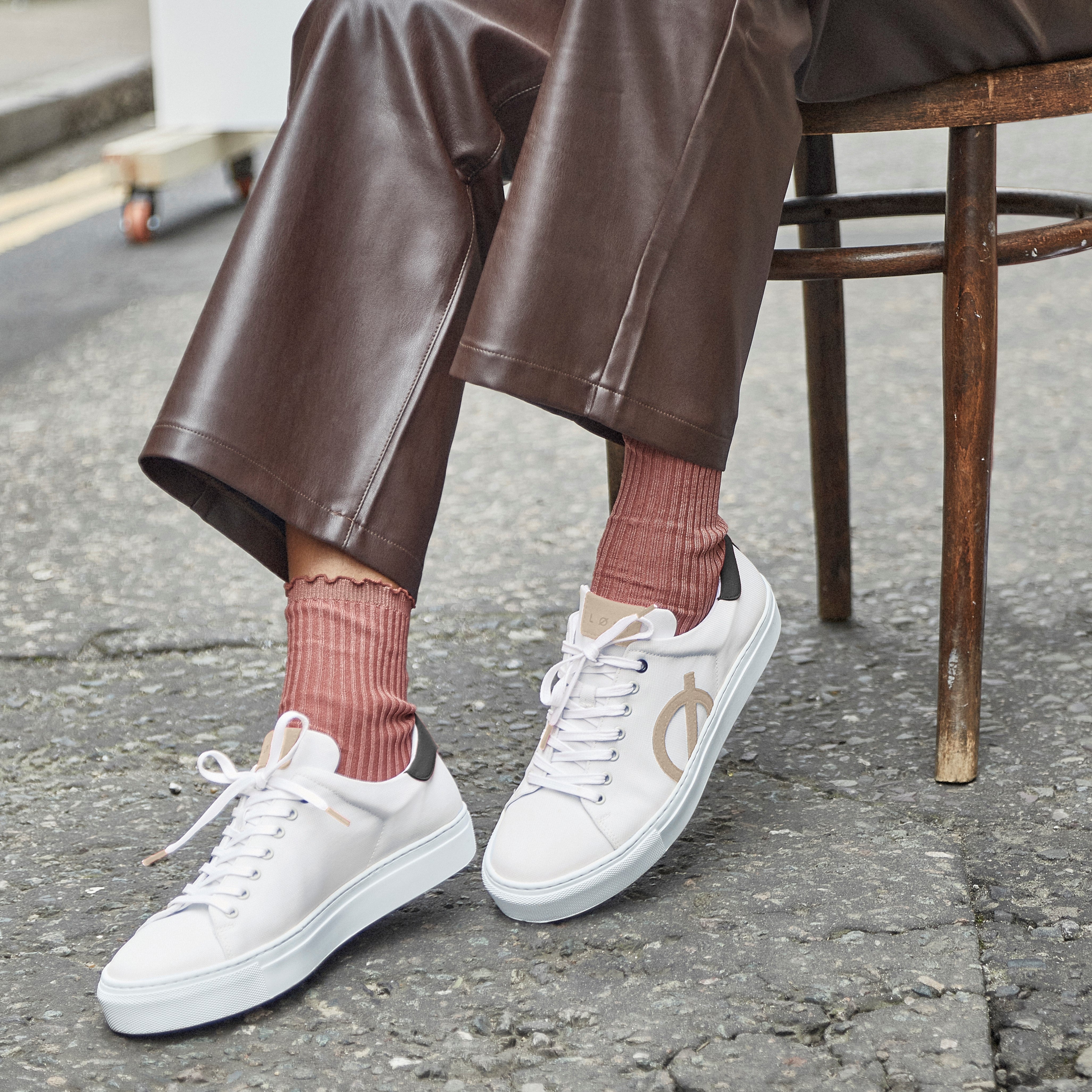
How to Build a Quick Daily Care Routine to Keep White Trainers Clean
White trainers can look immaculate one day and scuffed the next, and keeping them crisp often feels like a daily battle. This short routine gives clear, practical steps to protect leather, canvas, and knit trainers, prevent common stains, and turn upkeep into a quick, regular habit that helps extend their life and reduce waste.
Assess material and stain risk. Choose breathable liners to reduce moisture and odour. Do quick daily wipes and air your trainers to prevent dirt setting. Tackle marks with safe spot-cleaning tools. Together, these small habits cut the need for deep cleaning, extend the life of soles and uppers, and keep white trainers looking fresh with minimal fuss.

How to Identify Trainer Materials and Their Stain Risks
Begin by identifying materials with simple, hands-on tests. Feel the surface: smooth grain often indicates treated leather or synthetic; a raised nap points to suede or nubuck. Place a tiny droplet of water on the material: if it beads, the surface is likely treated; if it soaks in, think canvas, knit, or untreated leather. Photograph labels, seams, and the underside to confirm composition. Remember that soles and linings change how stains behave, so use cause-and-effect clues to prioritise treatment. Oil and grease bind to fibres and darken canvas and knit, salt leaves white halos on leather and mesh, ink and dye transfer penetrate porous materials, and mud deposits grit that can abrade suede. For immediate first aid: blot fresh liquid stains rather than rubbing, scrape dried mud with a blunt edge, and remove laces and insoles for separate cleaning. Always perform a small spot test in an inconspicuous area before any wet cleaning. Use gentle agitation instead of vigorous scrubbing to protect fibres and glued joints.
Lift dry dirt from canvas and knit uppers with a soft brush. For light stains, apply a mild soap solution sparingly, then blot with a clean cloth to avoid saturating the fibres. Wipe smooth leather with a damp cloth, then follow with a leather conditioner to restore natural oils and keep the leather supple. For suede, stick to a dry suede brush or eraser and avoid water, which can cause staining and change the texture. Dry trainers in shape and air them naturally, away from direct heat. Rotate pairs and brush them routinely to prevent material fatigue. Store trainers in a breathable bag to allow airflow, and consider protective sprays and removable insoles to reduce odour and slow wear. Call a professional if glue seams split, deep oil stains do not lift after spot treatment, or significant colour loss occurs. Bear in mind that a subtle patina on leather can reflect natural ageing and may be preferable to aggressive restoration.
Stay comfortable during repairs with a heavy-duty sweater

How to choose breathable liners that protect and prolong your trainers
Choose liners made from open-weave mesh, bamboo-derived fibres, or cotton blends that wick moisture and increase airflow, because these fabrics reduce the trapped humidity that drives odour and the yellowing of midsoles and textile uppers. Select a low-profile liner for a snug fit or a cushioned one for looser trainers, trim it to the footbed outline, and secure it with repositionable adhesive so it stays put without altering how the shoe fits. Prioritise liners finished with antimicrobial treatments or containing activated charcoal or bamboo to limit bacterial growth and keep interiors fresher between washes. Opt for removable, machine-washable liners, air-dry them flat after washing, and check colourfastness on a hidden edge before regular use to avoid dye transfer that could stain white interiors.
Treat liners as replaceable barriers. Swap or rotate them as soon as they compress, discolour, or stop wicking moisture. A removable liner traps sweat and dirt before those contaminants sink into the shoe, which helps prevent adhesives from breaking down, dyes from fading, and materials from stiffening. That reduces the need for vigorous cleaning of white trainers, cutting abrasion and preserving finish. Regular rotation therefore preserves colour and structure, speeds up routine maintenance, and can extend a trainer’s usable life while reducing water and detergent use.
Wear breathable joggers after runs to keep shoes fresher

How to keep trainers fresh: wipe, air, and rotate daily
Each day, wipe white trainers with a soft, slightly damp microfibre cloth in small circular motions, concentrating on seams and moulded panels to stop grit embedding and reduce later yellowing. Remove insoles and loosen laces to expose trapped moisture so the shoes can dry fully, preventing odour and glue failure. While they dry, stuff the toes with crumpled paper or a breathable shoe tree to maintain shape and draw moisture away from linings, and keep them out of direct sunlight to avoid colour shift and material hardening. Rotate between at least two pairs to give materials time to recover and internal moisture a chance to evaporate, which reduces compressive wear on foams and prolongs cushioning life. These simple habits extend a trainer’s lifespan and help cut waste.
Finish with a quick inspection. Brush grit from the soles, treat scuffs with a gentle, pH-neutral cleanser, and reapply a breathable protector to any compromised surfaces. Targeted touch-ups prevent small marks, trapped debris, and seam wear from developing into deeper stains or structural damage. Taken together, these simple daily habits reduce staining and odour, and preserve the brightness, freshness, and shape of white trainers without major intervention.
Daily care and storage tips for white trainers
- Daily quick-clean checklist: wipe seams and moulded panels with a slightly damp microfibre cloth using circular motions, loosen laces and remove insoles to release trapped moisture, then stuff toes with crumpled paper or a breathable shoe tree and air-dry out of direct sunlight.
- Storage and rotation strategy: alternate between at least two pairs so materials can recover and internal moisture can evaporate, store trainers in breathable bags or boxes with paper support or shoe trees, and avoid cramped or heated locations that cause yellowing and foam compression.
- Essential tools to keep on hand: a soft brush to remove grit from soles, microfibre cloths for spot cleaning, a pH-neutral cleanser for scuffs, a breathable protector spray for compromised surfaces, and spare insoles or desiccant packs to control moisture and odour.

How to spot-clean your trainers quickly and safely
First, identify the trainer material. Test a diluted, mild soap on an inconspicuous spot to check for any change in colour, finish, or texture. If the test area fades or darkens, switch to a gentler method to avoid permanent damage. Gather these tools for spot cleaning: a soft-bristled toothbrush for seams, a microfibre cloth for surface lifts, small cotton buds for tight areas, and melamine foam for stubborn scuffs. Use light, controlled pressure to remove soil without abrading the upper. Prepare a low-concentration cleaning solution and work with foam rather than saturation. Whip a little detergent into the cloth, then blot to lift stains rather than soak the material. Limiting moisture helps preserve glue and reduces the risk of odour. Repeat tests as needed to confirm the chosen approach is safe for the material. This method applies to trainers, sneakers, and high tops.
Match the treatment to the mark. - For ink spots, dab rubbing alcohol onto the stain and blot gently. - For greasy patches, sprinkle an absorbent powder such as talc or cornflour, allow it to absorb, then brush away. - For nubuck and suede, work with a suede brush or eraser, then re-fluff the nap with a clean brush. - Always re-test any treatment on a hidden area first. - If you treat leather, follow with a light conditioning treatment to replace lost oils. - Reshape the trainer by stuffing it with crumpled paper, then air dry away from direct heat and sunlight. Regular, quick spot-cleaning reduces the need for deep washes and helps prolong the material's lifespan.
Slip into soft, garment-dyed joggers after cleaning

How to Store and Maintain Trainers for Long-Lasting Wear
Store trainers in a cool, dry, well-ventilated place rather than sealed plastic. Use breathable dust bags or boxes with ventilation and moisture-absorbing sachets to preserve materials and reduce the risk of mould and yellowing. After wearing, insert shoe trees or stuff with acid-free tissue to maintain shape; this limits creasing, which can trap dirt, stress seams, and hasten sole separation. Rotate your pairs instead of wearing the same trainers every day so midsoles and linings can recover from sweat and compressive forces, slowing midsole breakdown and odour buildup.
Spot-clean soles and marks before storing, using a method suited to each material. Dried grime sinks into fibres and other porous materials and can cause permanent discolouration. Check and refresh small components often: replace worn insoles, launder or swap laces, and brush fabric gently with a soft brush to lift loose dirt. These small, regular actions stop problems from compounding and reduce the need for harsh cleaning or repairs. Together, gentle upkeep and sensible storage preserve the appearance of white trainers and extend their usable life.
Take small, consistent steps: assess materials, choose breathable liners, wipe and air daily, and spot-clean as needed to maintain white trainers with far less effort. These habits protect uppers and soles, reduce odour and yellowing, and prolong cushioning by preventing stains and trapped moisture.
Use the guide's simple headings to match treatments to each material, care for liners, and adopt a quick wipe-and-rotate routine. Start with one manageable habit, such as wiping trainers after use and rotating between pairs; this reduces moisture and abrasion, helps preserve shape, and means fewer deep cleans or repairs.