

Top 3 Design and Material Choices That Make Clothes and Trainers Last
How often does a loose seam or a worn sole push perfectly good clothes or trainers to the back of the wardrobe? Design choices and material selection determine whether items fail early or stay useful through repeated wear and repair.
This post presents three practical strategies for reducing textile waste: design for repair and longevity, choose high-performance, low-impact fabrics, and enable disassembly, reuse and recyclability. It delivers concise, evidence-based design and material recommendations to cut waste, retain performance and make it easier to keep garments and trainers in use for longer.

1. Design for repair and long-lasting wear to reduce waste
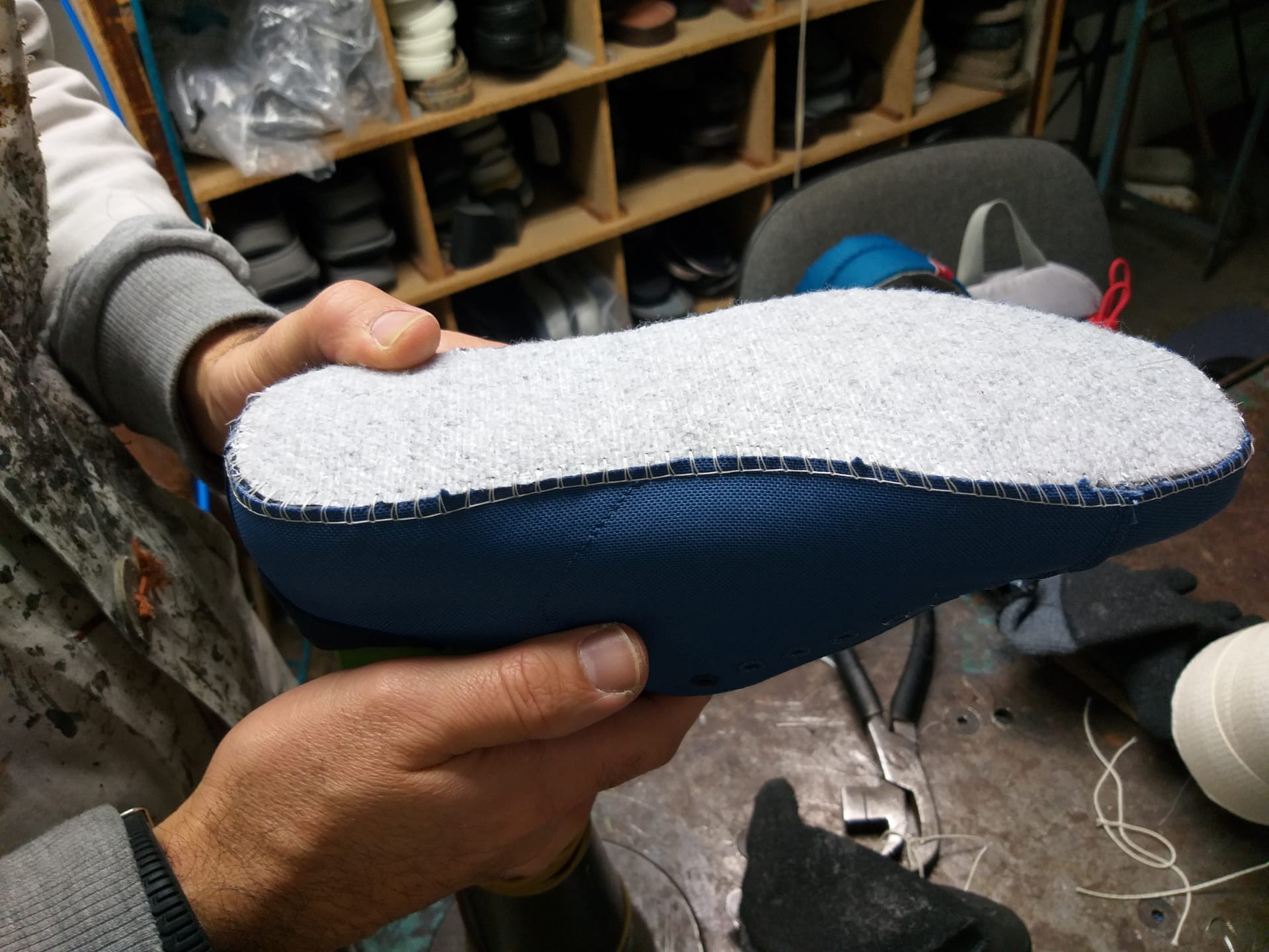
Design garments, sneakers and trainers so individual parts can be removed and refitted by a cobbler or the owner, allowing a single failed element to be swapped without discarding the whole item. Use detachable insoles, heel counters and sole units that rely on standardised attachment points, visible stitch channels or simple mechanical fixings to make swaps straightforward. Fit replaceable eyelets, rivets, buckles and snap buttons with reinforced backings, and design zipper channels so sliders can be replaced, keeping repairs accessible on the high street. Standard, low tech fixings and modular closures increase the likelihood that a repairer can source and fit parts quickly, and visible attachment details guide correct replacement methods. These choices make repairs practical, extend product life and reduce waste.
Reinforce seams and stress points with bartacks, double rows of stitching and wider seam allowances. Keep seam allowances accessible so a tailor can re-stitch or patch without weakening nearby panels. Choose repair-friendly materials such as woven cotton, canvas, full-grain leather or densely knitted uppers that accept patches, re-stitching and edge trimming, and avoid multi-layer bonded laminates and sealed coatings that delaminate and resist traditional mending. Include clear care and repair labels, stitch colour codes, spare buttons and short lengths of matching thread, and add concise repair diagrams to give owners and repairers the information and small parts needed to keep items in service longer.

2. Choose high-performance, low-impact fabrics for durable, planet-friendly fashion
Spot low-impact materials by checking label details: look for clear fibre origin, processing notes that mention solvent recovery, and a stated recycled-content percentage. These signals point to lower resource use and fewer toxic outputs. Prioritise fabric performance metrics that reflect real-world wear — high abrasion resistance and strong tensile recovery for load-bearing areas; moisture-wicking and quick-drying for everyday comfort; and tighter weaves or higher denier yarns for trainer uppers and high tops. Many product pages include denier, GSM or abrasion test figures you can compare to see which textiles will resist wear in practice.
Prioritise longevity when assessing surface finishes. Favour reproofable, PFC-free water repellents and avoid any treatment the care label advises removing or that requires specialist cleaning. Choose constructions that make repair straightforward. Woven or canvas-style uppers, stitched seams, removable liners and reinforced toes and heels accept patches, re‑stitching or new insoles far more easily than bonded, single-piece designs, so they stay in use for longer. This matters for sneakers, trainers and high tops you wear regularly. Verify durability claims with evidence: consult abrasion and colourfastness ratings where available and read owner reports that focus on performance after repeated wear and washing. Prefer fabrics with straightforward care instructions. Durable materials combined with compatible maintenance routines extend usable life and reduce how often items need replacing.

3. Prioritise disassembly, reuse and recyclability
Design for disassembly accelerates repair and recycling. Use mechanical fastenings such as screws, rivets and stitched seams rather than permanent adhesives, and design visible join lines and modular panels so soles, insoles and uppers of trainers can be removed or replaced. Labels or QR codes should document disassembly steps, link to repair guides and parts lists, and help repairers and wearers verify ease of separation. Prioritise mono-materials or compatible material mixes to reduce contamination in recycling streams, and test material combinations to identify blends that produce higher-quality recycled pellets or fibres.
Prototype end-of-life workflows with recyclers and reuse networks to verify which separation methods recover which materials, then label parts for reuse, donation or industrial recycling based on those tested pathways. Sewn-in or printed polymer codes, together with simple diagrams showing how to remove replaceable parts, boost sorting and reuse rates. Taken together, these steps create a documented loop designers can iterate on to increase recovery yields and extend the lifespan of trainers and garments.
Thoughtful design and considered material choices prolong the life of garments and trainers, making their lifespan easier to predict, repair and recycle. Features like replaceable soles, reinforced seam allowances, reproofable low-impact fabrics and clear disassembly labelling reduce premature replacement and streamline repair and end-of-life recycling.
Design for repair: repairable assemblies, high-performance textiles labelled with abrasion and care information, and modular construction help consumers, repairers and recyclers extract more value from each item. When you buy or mend, favour visible fixings, standardised attachment points and clear care instructions, and share repair notes so garments and trainers stay useful for longer.