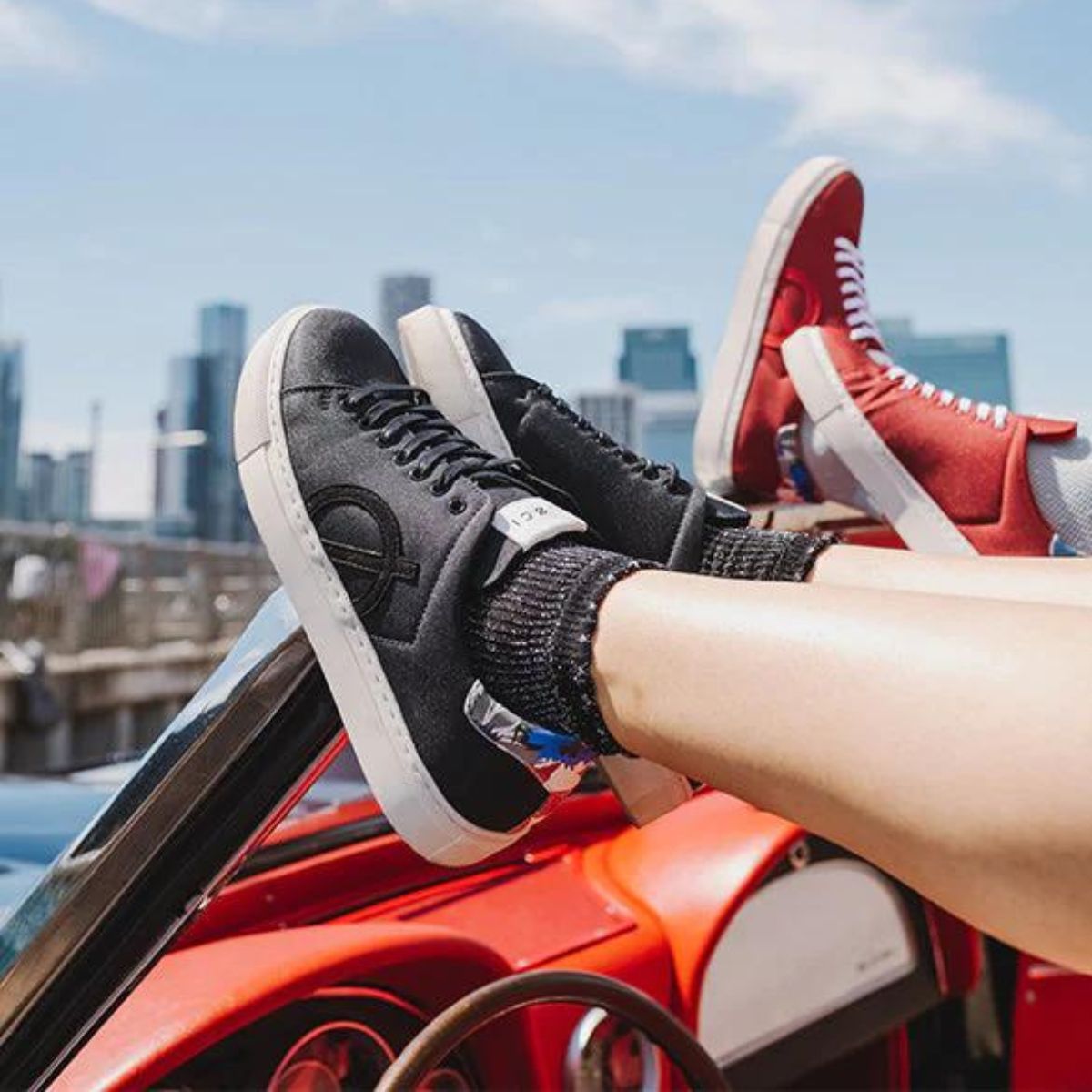

Article: 5 Liner Features That Prevent Rubbing and Slipping in High Tops
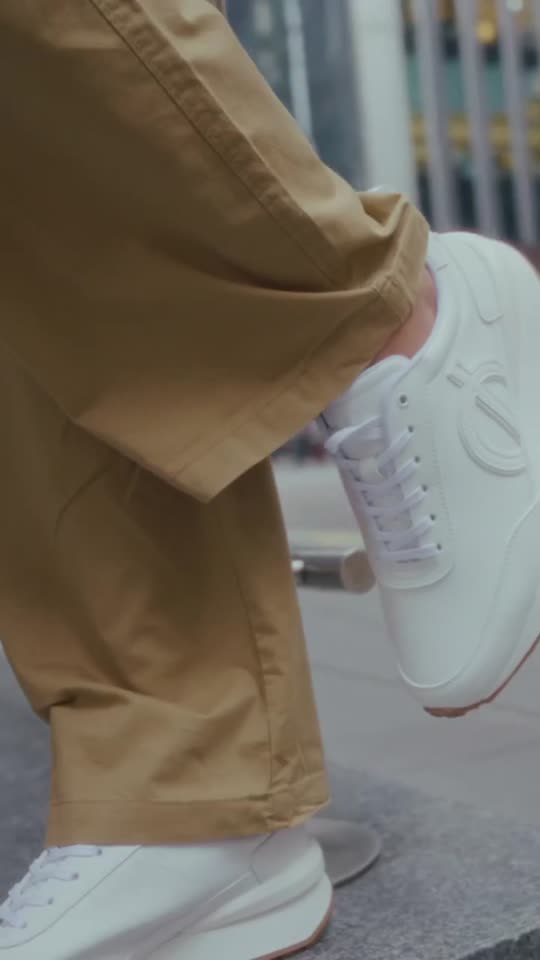
5 Liner Features That Prevent Rubbing and Slipping in High Tops
White high tops look sharp, but rubbing and heel slip can quickly undermine comfort and fit. Across materials and cuts, friction, trapped moisture, and poor heel fit break down skin and increase movement, producing hotspots, blisters, and unstable footing.
This post breaks down five liner features designed to solve common fit issues: contoured shapes that anchor the ankle, low-friction, breathable fabrics that wick moisture, textured heel grips that lock the heel in place, a balanced cushioning profile that ensures stable contact with the ground, and simple adjustment and maintenance tips to preserve lasting hold. Understanding how each feature works will help you keep your feet comfortable and your high tops looking crisp.

1. Secure your ankle with contoured liners to boost stability in trainers
In trainers and sneakers, an effective contoured liner combines a deep heel cup, medial and lateral wings, a raised arch support, and an Achilles notch to cradle the calcaneus (the heel bone), limit rotational movement, and spread shear forces over a broader contact area to reduce heel lift and lateral slip. Material and top-layer choices change both feel and friction: closed-cell foam or gel provides durable cushioning, low-friction finishes reduce rubbing, and breathable mesh helps control moisture. Thicker profiles increase hold but reduce internal volume, so contour depth must match the shoe's fit and the foot's volume. For fitting, remove the factory insole to check available space, position the liner and mark any excess, then trim incrementally from the outer edge rather than the heel. Finally, check that the heel cup sits smoothly without folds, because creases can create hotspots.
To improve ankle stability in trainers or high tops, add a moisture-managing foot layer to reduce friction, insert thin heel pads to fill residual gaps, and experiment with lacing patterns or an ankle strap to preload the liner so it stabilises the foot during movement. Check the liner for compressed heel cups, flattened arches, or lateral bunching after repeated use. When contours stop springing back, contact geometry shifts and rubbing and slipping increase. Try this simple field test: walk briskly and note any heel lift or hotspots immediately after trimming, then make small adjustments rather than removing large amounts of material. Replacing or refreshing liners when they lose resilience restores the designed contact distribution and reduces shear, and wear data links reduced shear with fewer hotspots and less lateral slip.
Add cushioned ankle coverage to reduce friction and lift

2. Use breathable, low-friction materials to wick moisture in trainers
Adopt a layered lining strategy: use a hydrophilic inner layer next to the foot to absorb and spread sweat, and a hydrophobic outer layer to channel moisture outward. Polyester microfilament or open‑mesh constructions combine capillary action with through‑venting so the lining transports moisture rather than trapping it against the foot. Place lubricious films or slick woven faces at the heel, collar, and tongue to reduce shear. Choose materials with a low coefficient of friction against the liner fabric, and confine high‑slip finishes to targeted panels so positional stability is preserved. Eliminate hotspots with flatlock or bonded seams, flush edge bindings, and a gusseted tongue. Position low‑friction panels at known friction points, such as the posterior heel and medial collar, instead of lining the whole interior.
Use three simple, repeatable checks to compare candidate linings: a blot test against a cotton sample to judge wicking, a slide test using a thin, moisture-wicking foot liner to assess surface resistance, and, where available, laboratory measures for breathability and static friction. Wash linings with a neutral detergent, avoid fabric softeners and oil-based creams that can clog material pores, air-dry away from direct heat sources, and replace linings that show pilling or loss of compression. Pair breathable, low-friction linings with thin, moisture-wicking underlayers next to the skin and correctly sized insoles to reduce moisture build-up and shear at the foot-liner interface. Use the measurable comparisons and care practices above to select and maintain the most effective lining for white high tops.
Pair with a breathable, structured sweatsuit for daily comfort.

3. Secure the heel with textured grips and stabilisers
Treat the heel as an integrated system of surface grip, structural support, and shaping that prevents rubbing and slippage. Add low-profile, textured heel grips made from thin silicone or rubber to create micro-suction against the inner lining. Position them along the centre and sides of the inside heel, trim to fit, and press firmly so they contact the lining without adding bulk. Behind the lining, a moulded heel counter or semi-rigid TPU stabiliser preserves rearfoot geometry and limits rotation, while a contoured insole with a pronounced heel cup and a thin peripheral flange cradles the heel bone (calcaneus), disperses shear forces, and helps maintain a snug fit in high tops.
Thin internal wedges or foam stabilisers positioned at the medial and lateral heel flanks (the inside and outside of the heel) fill gaps and steer the foot toward the centre of the shoe. These targeted pads can be trimmed or moved to tune stability for different foot shapes. Combine passive padding with active retention techniques: use a heel-lock lacing method by creating an extra loop at the top eyelets to pull the heel down, and anchor the tongue with a gusset or stitch to prevent migration. Adjust tension so the heel is clamped without creating pressure hotspots; when paired with a stabiliser shell and a shaped insole, balanced force distribution reduces lift and unwanted rotation. Applied together, these discreet interventions limit backward slip and micro-movement while adding minimal bulk, making them well suited to white high tops where a clean interior and stable fit matter.
Wear cushioned ankle socks for added heel grip

4. Balance cushioning and sole profile for slip-free comfort
Match cushioning density to function. Place medium-firm foam under the heel to resist compression and prevent posterior migration, or the foot sliding backwards, and use softer padding under the forefoot to preserve natural toe flexion. A wider, stable heel base increases contact area, reducing slip and lateral roll during push off. A contoured heel cup that cradles the heel bone and rises at the sides locks the foot and limits the relative motion that leads to Achilles rubbing. Balance sole profile and stack height by favouring a low to moderate stack and a broad base; this lowers the centre of gravity and reduces wobble and twisting. Avoid exaggerated rockers or high stacks, which encourage the foot to slide forwards inside the trainer.
Map pressure points and add thin pads where rubbing occurs. Finish the liner with a low-friction, moisture-wicking top layer to reduce skin shear when feet sweat. Position textured grip only where it improves hold, avoiding areas that increase abrasion. Offer removable insoles, thin heel pads, or shims so wearers can tweak pitch and fill gaps. Check fit with a heel-hold test and a short walk, adjusting removable elements until the heel moves no more than a finger’s width and the toes do not hit the toe box. This keeps the foot centred without creating concentrated pressure.
Wear cushioned, moisture-wicking socks to prevent heel movement.

5. Adjust, Position, and Maintain Liners to Keep Trainers Secure
1. Position the liner inside the trainer and mark any overhang with a water-soluble pen. 2. Trim a few millimetres inside the mark so the material sits flat and resists curling. 3. Push the heel pocket fully into place, pull the tongue forward to keep the liner flat, then tighten the laces from the bottom up to lock the foot in. 4. Stand in the trainer and check for movement underfoot. If the heel still lifts, shift the liner slightly forward or back until the heel stays put under pressure.
Add thin, removable grip aids such as fabric tape, gel heel pads, or silicone strips to the spots where slipping occurs. Press your heel down and walk a few steps to test each placement and avoid pressure points. Wash liners gently by hand in cool water, then air dry them away from direct heat. Rotate sets so each dries fully between wears, and use baking soda or an absorbent sachet to control moisture and odour. Inspect liners regularly by pressing the cushioning to check recovery, and by looking for compressed foam, thin spots, or displaced edges. Repair minor faults with a thin foam patch or stitching, and replace liners when the cushioning no longer springs back, because reduced thickness correlates with increased foot movement and a higher risk of blisters.
Five shoe liner features address the main causes of rubbing and heel slip. They convert shear into a wider contact area, move moisture away from the skin, and hold the calcaneus firmly. Together, these effects reduce hotspots, cut heel lift, and steady the foot while preserving a slim profile. Contoured heel cups, low-friction surfaces, textured grips, zonal cushioning, and routine care preserve contact geometry and manage moisture to sustain those benefits.
Treat these five headings as a checklist when choosing or fitting liners for your trainers: anchor the ankle, wick moisture, lock the heel, balance cushioning, and maintain correct positioning. Take small, targeted steps, such as trimming liners to size, adding thin heel aids, and testing heel hold, to keep white high tops comfortable and crisp, reduce blisters, and extend their serviceable life.