

5 Ways to Spot Well-Made Vegan Trainers
Are your vegan trainers truly built to last, or will the fabric fade and the soles separate with everyday wear? Labels and glossy photos rarely reveal the construction details that determine durability and comfort.
Quick checks to spot solid construction and extend the life of your trainers. Assess fibre composition and performance, inspect stitching, seams and joins, test fit and shape retention, check reinforcements and wear indicators, and prioritise ease of care and repair. With these straightforward checks you can identify better-built trainers before you buy and keep the pair you own performing for longer.

1. Assess fibre composition and real-world performance for sustainable, long-lasting trainers
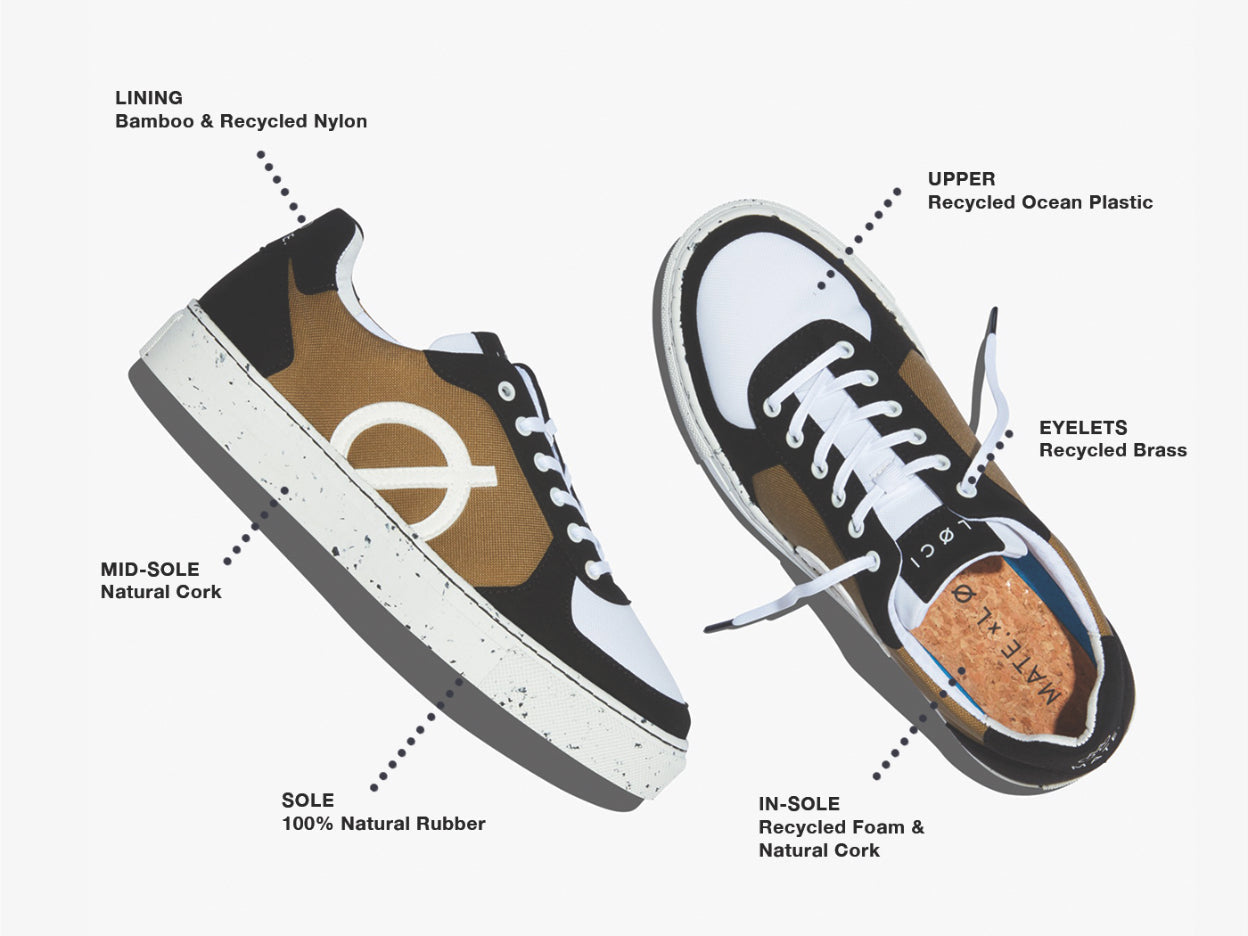
When assessing trainers or sneakers, start with the fibre composition label and note the percentages. The order and ratios predict behaviour: higher polyester or nylon content generally increases abrasion resistance and water repellency, while a greater proportion of natural fibre improves moisture absorption and comfort. Perform simple tactile checks. Pinch and bend the upper to test recovery and stretch. Rub a small area to check for pilling or fibre shedding. Drop a few water droplets to see whether liquid beads or soaks in; that reveals elasticity, surface finish and whether a material is coated. Finally, examine fabric construction — look at knit structure, weave density and yarn denier. Tight knits, reinforced panels at high-wear points and clean stitching are good signs that the fibres have been engineered for performance.
Inspect edges and flex the material repeatedly to tell genuine microfibre and plant-based leathers apart from thin surface coatings. Authentic microfibre resists fraying and keeps a uniform texture; inferior coatings will crack, peel or delaminate when bent. Consult independent test data and product specifications for objective measures such as abrasion cycles, tensile strength and breathability ratings, and check for recycled content and robust chemical management as signs of considered sourcing. Combine those performance indicators with visible construction details like reinforced seams, bonded sole construction and replaceable insoles to judge likely longevity. Together, label information, hands-on tests and verified metrics help you weigh material trade-offs against how you will use the trainers, rather than relying on marketing claims.
Choose certified recycled-fibre fleece for durable, comfortable everyday wear

2. Inspect stitchwork, seams and joins to assess durability
When inspecting trainers, start by checking stitch density and consistency. Even spacing and a uniform stitch length help to spread load evenly and reduce weak points. Look for reinforcement at high-stress areas, such as bar tacks or double stitching at eyelets, at the heel and at tongue joints, and for solid joins where the upper meets the sole. Examine seam construction and edge finishing: folded or turned edges, bound seam allowances and neat topstitching, inside and out, point to careful finishing. By contrast, raw, fraying edges or exposed backing signal rushed work and a greater risk of seam failure.
Run a fingertip along the seams to spot changes in tension, then gently tug the surrounding panels to confirm they hold firm. Give any loose threads a cautious pull; if stitching begins to unpick, that is a clear sign of weak construction. Check thread and adhesive choices too: polyester and nylon threads resist abrasion better, and the sole should show a neat, even glue line with no blobs or gaps where it meets the upper. Visible thread breakage, uneven bonding or easy unpicking indicate the trainers may not withstand regular wear.
Pick a heavyweight, double-stitched layer for lasting wear.

3. Assess fit, support and shape retention for everyday wear
Try trainers on wearing the footwear you would normally pair with them and stand. Look for about a thumb's width of space at the longest toe, natural toe splay and a heel that feels snug without hotspots. Test support in movement by walking, taking a few brisk strides and performing a single-leg squat or lunge to judge arch and medial support. If the arch collapses, the foot shifts or the heel lifts excessively, the trainer does not provide reliable lockdown. Finally, bend the shoe at the ball of the foot and twist heel to toe. The sole should flex where your toes bend while resisting excessive twisting; creases in the midsole or a floppy upper suggest the shoe will deform with use.
Press the midsole and insole firmly with your thumb, or step on them, and watch how quickly the material rebounds. Rapid, even recovery with minimal permanent indent indicates good foam memory and shape retention. Flex and rub the upper, roll the heel and inspect seams and glue lines for any separation. Fraying, gaps or delamination reveal construction weaknesses. Clean the trainer following the material care guidance, then reassess fit and shape to see whether cleaning causes stretching, separation or loss of structure. Taken together, these simple checks show how the trainer behaves under movement, load and maintenance, helping you judge whether it will retain fit and support through regular wear.
Wear cushioned socks to improve fit and prevent hotspots

4. Inspect trainer reinforcements, wear indicators and durability test results
Inspect high-wear zones such as the toe box, heel counter, lace eyelets and sidewalls for double stitching, overlapping panels or heat-sealed overlays that add structure. Press and bend these areas to feel for firm support or extra padding rather than a single thin layer, and gently flex the trainers to reveal creasing or separation at the sole edge. Run your fingertip along joins to detect glue lines and check that the outsole and upper meet with consistent material continuity.
Check for built-in wear indicators: contrasting outsole layers, sacrificial tread patterns, printed midsole lines or coloured underlayers that reveal when tread or cushioning are worn through. Consider how those visible changes map to real-world wear. Do simple durability checks in store or at home. Flex and twist your trainers repeatedly, tug gently at seams and overlays, rub an inconspicuous area to simulate scuffing and test grip on a few floor surfaces to reveal rapid abrasion or delamination. Read product information for stated abrasion or peel test methods, and look for third-party test references or clear descriptions of reinforcement techniques as signs of quality control. When test data is absent, use warranty and returns policies as an indirect indicator of expected lifespan.
Pair with a durable garment dyed jogger for everyday comfort.

5. Prioritise easy care and simple repair to extend trainers' lifespan
Begin by testing how easily the upper and lining shed dirt. Smooth, non-porous uppers and wipeable linings should come clean with a damp cloth. Do a quick colourfastness spot test in an inconspicuous area to see whether water or cleaners affect the dye. Inspect construction for repair potential. Visible stitching around the sole, a stitched welt, reinforced heel counters and metal eyelets indicate a cobbler can re-sew or re-sole the shoe, whereas continuous glue lines usually limit repair options. Opt for trainers with replaceable components, such as removable insoles, standard lace eyelets and modular heel or tongue panels. Parts designed to be swapped reduce waste and make routine fixes straightforward for a high street repairer.
Keep repairs to a minimum by airing and rotating removable insoles regularly. Use gentle spot-cleaning methods suited to each textile, and store trainers in breathable conditions or on shoe trees to maintain shape and prevent creasing. Always test water-based cleaners and sprays on an unseen patch first, and choose products labelled for synthetic or textile uppers so you avoid treatments that break down modern vegan materials. When a repair goes beyond basic cleaning, take the trainers to a local cobbler for resoling, restitching or hardware replacement. Ask about the original construction, whether they can re-welt or match sole materials, and request compatible replacement parts so the repair follows the shoe's build and lasts.
Well-made vegan trainers combine thoughtful materials, solid construction, and repairable detailing to perform through regular wear. Checking fibre composition, stitchwork, reinforcements, and shape recovery lets you predict which pairs will resist abrasion, hold their form, and stay comfortable.
Compare trainers in store or online using five practical checks: material performance, seams and joins, fit and retention, reinforcements and ease of care and repair. Choosing pairs that meet these checks will extend their serviceable life, simplify maintenance and make repairs straightforward.