

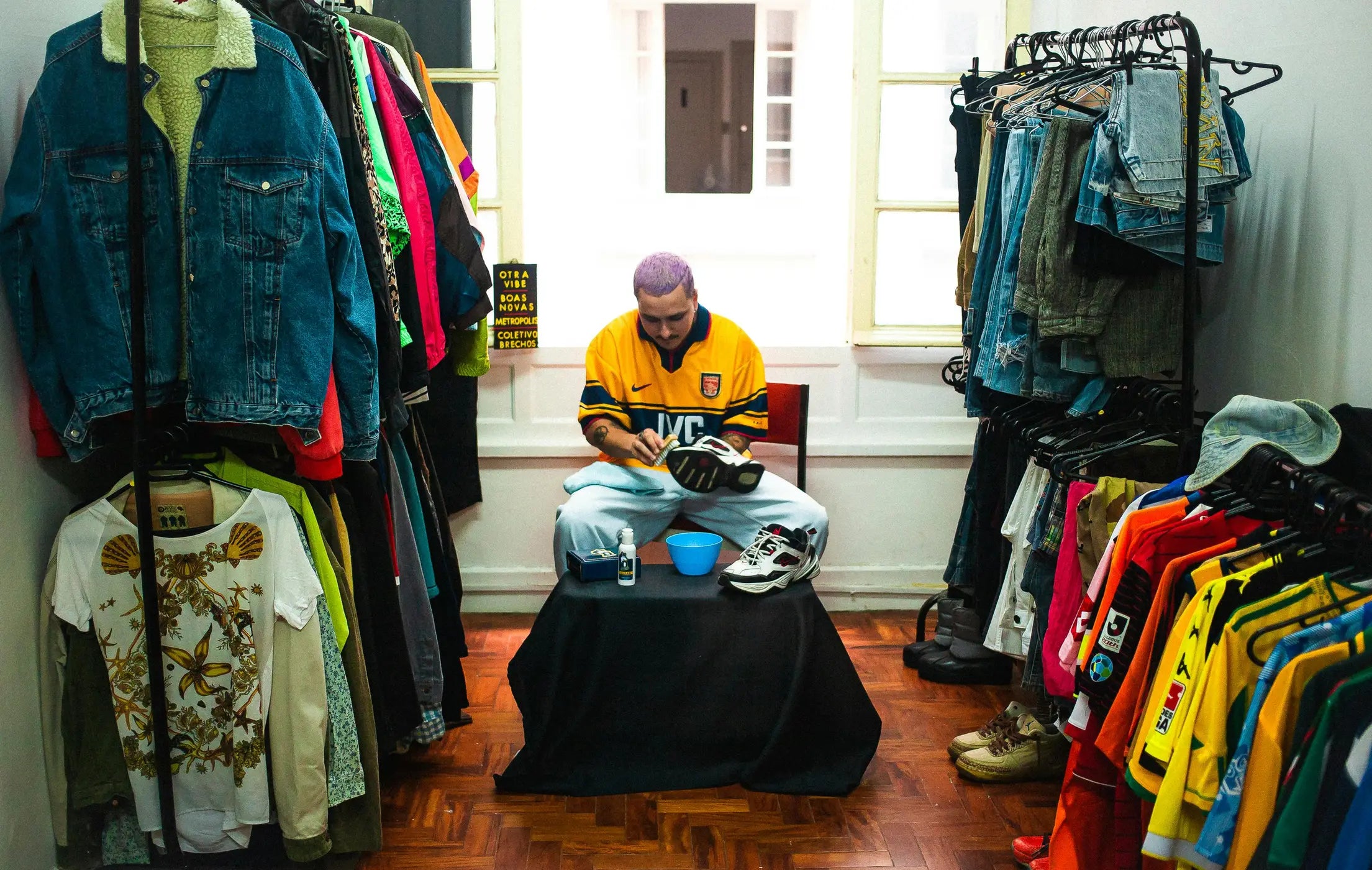
How to read plant-derived ingredients in vegan leathers and choose smarter trainers
Curious about what goes into vegan leather and whether plant-based trainers can match traditional leather for performance? As plant-derived materials appear across the high street, buzzwords and labelling can make it hard to separate substance from spin.
This guide explains why plant-based leathers matter, how common varieties are produced, and how to assess their performance, durability and comfort. It also offers practical steps to evaluate environmental footprint, confirm certifications and supply-chain ethics, and to choose and care for plant-leather trainers and sneakers with confidence.

Why do plant-based leathers matter for ethical, sustainable footwear?
Plant leathers are made from a range of plant feedstocks, such as pineapple leaf fibre, apple residues, cactus, mushroom mycelium, cork and grape marc. Each brings qualities like breathability, suppleness and natural water resistance that suit different trainers and sneaker styles. Manufacturers often combine these natural fibres with a polymer coating to add durability and abrasion resistance. The type and proportion of polymer strongly affect biodegradability and recyclability, so a higher polymer content can lock in performance but reduce end-of-life options. Check product composition or ask retailers about the polymer used and the proportion of bio-based content to make an informed choice.
Check the sourcing. Materials made from agricultural by-products repurpose waste streams, while others are grown specifically for fibres. Ask about feedstock origin, pesticide use and whether a material diverts food crops or revalues residues. When shopping for trainers, high tops or other footwear on the high street or online, test the material by bending it to check for creasing, rub a discreet area to assess abrasion resistance and sniff for strong chemical odours. Follow the manufacturer's care instructions and clean lightly with a damp cloth. Favour designs that allow resoling or simple repairs. Be cautious about claims of compostability or biodegradability. Many materials require industrial conditions to break down. Request third-party verification or lab testing, and enquire about repair, recycling or take-back options to avoid unintended landfill outcomes.
Opt for certified fabrics that reduce plastic waste.

Explore common plant leathers and how they are made
Plant-based leathers commonly include pineapple leaf fibre, fruit-pomace (for example apple by-product), cactus-derived materials, mycelium-grown leather and cork. Each is produced by different extraction or cultivation methods: pineapple fibres are mechanically removed and formed into nonwovens; fruit-pomace is pulped and bound with resins; cactus material is macerated and pressed into sheets; mycelium is grown and heat-compressed; and cork is harvested from bark and laminated to a textile backing. Performance varies by material. Pineapple fibre nonwovens are typically breathable and flexible with moderate abrasion resistance. Fruit-pomace leathers are denser and less breathable, relying on resins for durability. Cactus and mycelium can deliver good flexibility and breathability but usually need protective coatings to withstand wear. Cork is naturally water-resistant, lightweight and offers decent abrasion resistance when bonded to a backing. Manufacturing generally moves from raw feedstock collection to fibre or pulp extraction, then pressing or moulding, dyeing and the application of finishing layers such as polyurethane or other binders. When assessing plant leathers, always ask suppliers what coating or binder they use and what percentage it contributes to the finished material.
When choosing trainers or high tops, weigh the environmental trade-offs. Check whether the feedstock is an agricultural by-product or a dedicated crop, consider typical water and land inputs, and ask about the extent of petrochemical binders or solvents used in finishing, since these determine how much of the upper will actually biodegrade. Many plant-derived uppers remain partly non-biodegradable because of synthetic coatings, so request lifecycle analyses or composition sheets if sustainability is important to you. Before you buy, bend and flex a sample to reveal early delamination or cracking. Inspect stitching and the bond between upper and sole for adhesion, and ask the supplier for abrasion data or relevant ISO test results to ensure the material performance matches the intended use. For care and end of life, clean fibre-based leathers with a soft brush and a damp cloth, avoiding harsh solvents. Plan for common repairs such as resoling or edge re-bonding, and pursue reuse, certified industrial composting, or specialised recycling streams. Take advantage of retailer take-back or repair programmes to extend a product's life.
Choose a certified recycled fibre crew for everyday comfort

How to evaluate trainers' performance, durability and comfort
When comparing plant-based materials for trainers and sneakers, look at how pineapple, apple, mycelium, cactus and grape differ in firmness, flexibility, breathability and water resistance. Check product specifications or a cross section to establish whether the plant layer is a thin fibre mat, a pulp composite or a textile-backed sheet, because backing and surface finishing usually govern tear strength and moisture performance more than the plant pulp itself. Also inspect construction notes for polymer coatings or laminates, which can markedly increase abrasion and water resistance while reducing breathability and biodegradable qualities. Balancing these factors will help you weigh performance against environmental trade-offs.
Use objective lab tests alongside simple in-store checks to judge durability and real-world performance. Laboratory measures such as Martindale or Taber abrasion cycles, tensile and tear strength, flex-crack resistance, breathability measured as MVTR (moisture vapour transmission rate) and standard water-resistance tests offer comparable evidence. Pair these with hands-on checks: fold the upper repeatedly, rub a concealed area to simulate scuffs and press the surface to reveal likely failure modes. Treat comfort as a system: lining, insole cushioning, arch support, toe-box shape, seam placement and overall weight all influence thermal comfort, moisture management and the friction that leads to blisters. Try trainers with the foot layer you would normally wear and walk on a variety of surfaces to identify heat build-up or hotspots. Finally, favour designs with replaceable insoles, resoling potential and clear care instructions. Always test any cleaner on a small, inconspicuous area first to predict how the material will perform over time.
Quick checks and spec reading for plant-based uppers
- Inspect the construction, not just the plant name: examine a cross section or product photos to see if the plant layer is a thin fibre mat, a pulp composite, or a textile-backed sheet, and look for polymer coatings or laminates since backing and finishing usually determine tear strength, abrasion resistance, breathability, and biodegradability.
- Match test names to performance: Martindale or Taber abrasion cycles indicate surface wear, tensile and tear figures show seam and pull resistance, flex-crack data predicts durability at bends, MVTR measures breathability, and standard water-resistance tests show liquid tolerance; treat these numbers as comparative evidence and flag unusually low cycles or low tensile strength.
- Use simple in-store and at-home checks to reveal likely failure modes and comfort issues: fold the upper repeatedly, rub a hidden spot to simulate scuffs, press the surface to assess cushioning and recovery, try the shoes with your usual socks and walk on different surfaces to detect hotspots, and note seam placement, weight, and insole support.
- Consider maintenance, repair, and end-of-life before you buy: look for clear care instructions, test any cleaner on a small area first, favour replaceable insoles and resoling-friendly construction, and ask about adhesives, coatings, or laminates that will reduce compostability or recycling options so you can project real-world lifespan.

How to evaluate environmental footprint, certifications and supply chain ethics
When assessing materials for trainers or sneakers, ask manufacturers for a technical data sheet that states the percentage of plant biomass, the type and percentage of any synthetic binder, and the backing material. Verify whether the surface coating contains polyurethane or PVC, since high synthetic content reduces biodegradability and locks in embedded fossil carbon. Request an independent life cycle assessment, or at minimum cradle to gate estimates for carbon, water and energy with stated end of life scenarios. Favour materials with third party verification of compostability or recyclability. Compare suppliers on a like for like basis using mass or area units rather than vague marketing claims to reveal true plant content.
When assessing sustainable footwear, probe the supply chain and materials. Ask suppliers for the following: - A restricted substances list and recent independent lab results for phthalates, heavy metals and persistent fluorinated chemicals (PFAS). - Clear descriptions of solvents and adhesives, since solvent intensive processing raises toxicity risks and hidden environmental costs. - Origin details for the feedstock that show whether inputs are agricultural waste or purpose-grown crops, with traceability down to processor or farm. - Independent audits of labour conditions to identify risks of land use change or exploitative practices. - Confirmation of whether plant-based leather separates from soles and linings, and whether the maker offers take-back or repair programmes. - Documented recycling or industrial composting routes for each material used. Bear in mind that mixed-material assemblies without documented disposal routes typically end up incinerated or in landfill, which undermines any claimed environmental benefits.
Choose certified, recycled-blend basics with verified material claims.

How to choose, identify and care for plant-based leather trainers
Map plant ingredient to performance. Pineapple leaf fibre tends to be breathable and flexible. Apple waste usually yields a softer finish. Cork offers natural water resistance and stability. Mycelium can mimic leather grain, though its abrasion resistance varies. Hemp provides durability and reliable colour retention. Match these tendencies to how you wear your trainers, whether for everyday commuting, damp conditions, or minimal hot-weather use, and choose materials whose breathability, flexibility and abrasion resistance align with your routine rather than relying on material names alone.
When assessing plant-based materials for trainers, sneakers or high tops, insist on transparency: request a full material breakdown and the percentage of bio-based content. Check whether surface coatings or adhesives contain polyurethane or other synthetics that will alter durability, water resistance and compostability. Examine construction details closely: stitch density, how the sole is attached, edge finishing and flex points. Where possible, ask retailers or manufacturers for abrasion, tensile and wear-test data. These practical indicators often reveal more about longevity than labels alone. Care for plant leathers by wiping with a damp cloth and a mild pH-neutral soap, avoiding soaking or tumble drying, and allowing items to dry naturally away from direct heat. Use plant-based conditioners sparingly, and store footwear in breathable bags to protect shape and colour. Finally, weigh the environmental evidence at end of life. Request independent certifications such as OEKO-TEX or GOTS, ask for chemical-safety and life-cycle information, and favour designs that are repairable, recyclable or genuinely compostable rather than those simply labelled natural without substantiation.
Plant leathers involve trade-offs between breathability, durability and end-of-life impact that depend on the feedstock, polymer coatings and overall construction. When evaluating materials, check composition sheets and request abrasion and MVTR (moisture vapour transmission rate) test data. Favour trainers and sneakers with designs that allow repair, resoling or documented recycling so the material performance aligns with how you will wear them.
Carry out the in-store checks and verification steps described earlier: confirm claims, scrutinise stitching and sole bonds, and request information on life-cycle impacts, restricted substances and feedstock origin. These checks will help you choose plant-based leather trainers that suit your routine, extend their usable life and reduce the likelihood of them ending up in landfill.