

The 5 Wardrobe Essentials Every Conscious Urbanite Should Own
Struggling to build a wardrobe that suits a busy urban life without adding to waste? Compact living spaces and shifting routines call for versatile, durable pieces that meet rigorous environmental and ethical standards.
This guide sets out five essentials to build a more considered wardrobe: prioritise what you wear, choose transparent materials and trusted certifications, opt for versatile vegan trainers, style for functional outfit integration, and care for garments through repair and circular end-of-life solutions. Use these practical steps to streamline choices, cut waste and make every piece pull its weight in everyday life.

1. Set conscious wardrobe priorities for sustainable, everyday style
Photograph or keep a simple log of the outfits you actually wear across a normal routine, then tally recurring pieces to reveal genuine staples you can keep or repurpose. Map everyday scenarios — commuting, the workplace, leisure and exercise — and list the functional qualities each requires, allocating wardrobe space to those needs rather than fleeting trends or impulse buys. Use a purchase checklist: will the new item mix with at least three existing pieces, be easy to mend, suit your local climate and demand low-maintenance care? Items that meet these criteria become reliable choices for a considered wardrobe. Think versatile trainers, neutral sneakers or classic high tops as examples of pieces that earn a permanent place in your rotation.
Make garments last. Prioritise tightly woven natural or recycled fibres, reinforced seams and replaceable fastenings to reduce abrasion, pilling and premature disposal. Plan an item’s care and end-of-life before you buy: keep a basic repair kit, learn simple mending and stick to gentle laundering to limit fibre loss. Note how often you wear each piece to identify items to repair, repurpose or remove, freeing space for multifunctional pieces that cover most of your routine.
Choose a durable everyday crew for low-maintenance layering.

2. Choose transparent materials and credible certifications for ethical fashion
Start with the labelling: ask suppliers for full fibre percentages, declared recycled content and the country or mill of origin when that information is not printed so you can compare raw material claims across sources. Verify third-party certificates and check their scope to establish whether a certificate covers organic cultivation, chemical management or social audits, and request the certificate ID so you can confirm authenticity with the issuing body. Where claims remain unclear, ask for supply-chain maps, batch-trace documents or QR codes listing farms, spinners, dyehouses and factories, because full chain disclosure provides practical evidence of transparency.
Compare material trade-offs using supplier data on biodegradability, recyclability and microfibre shedding. Favour fabrics with tested end-of-life pathways or verified recycled feedstock when they match your priorities. Request chemical and durability test results, including restricted-substance reports, colour-fastness and wash-fade data, plus clear guidance on repairability. Treat documented low-toxicity profiles and proven longevity as indicators of lower lifecycle impact. Collect these documents to make side-by-side comparisons and hold suppliers to consistent standards.
Choose a heavyweight AMFORI-certified tee for proven durability.

3. Choose versatile vegan trainers that move with your everyday life
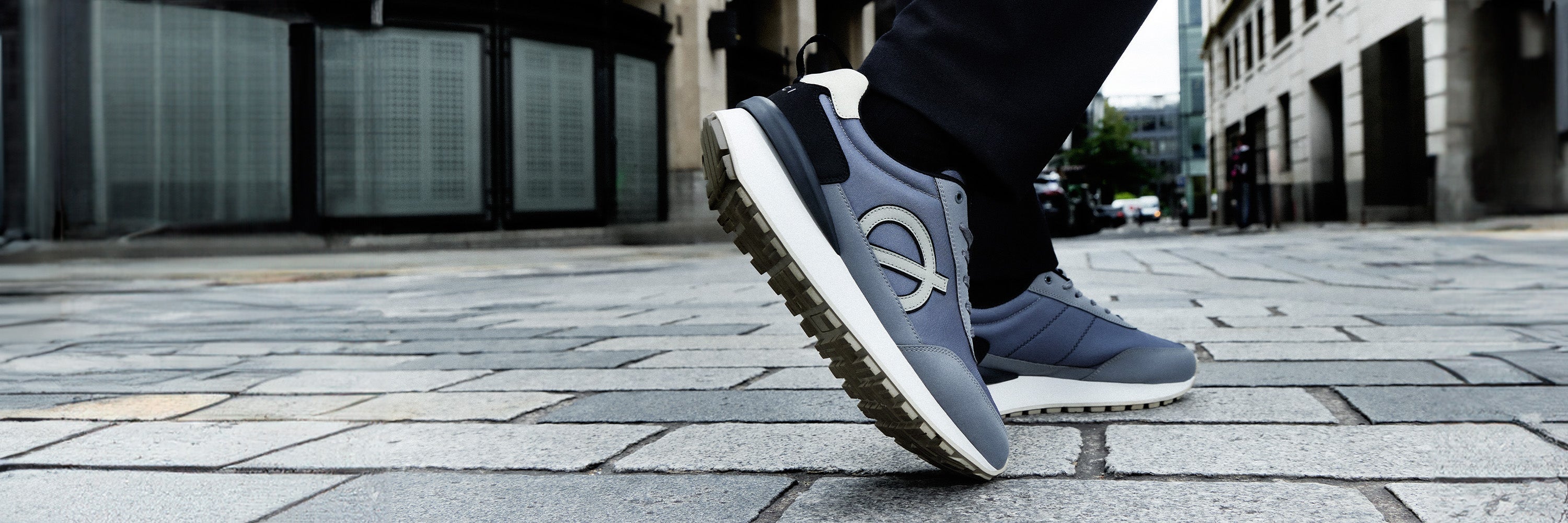
Opt for classic silhouettes in neutral colours — low-profile trainers or sneakers, loafers, boots and brogues all work across workwear, weekends and smarter looks, so you need fewer pairs. Choose materials explicitly labelled plant-based or recycled, and favour items with independent vegan verification or transparent sourcing to reveal hidden animal components such as leather glues. Inspect construction for repairability: stitched soles that can be resoled, reinforced toe and heel caps, and removable insoles that allow reheeling or refurbishment rather than disposal. For fit and performance, bend the shoe at the ball of the foot to check natural flex, walk on a few different surfaces to judge grip and stability, and pick adjustable closures to prevent rubbing.
Simple care routines make a big difference. Wipe trainers with a damp cloth, use protective treatments suitable for the material, and store them on shoe trees or in breathable bags to retain shape and reduce odour. Paired with repair-friendly construction and clear material labelling, these habits extend a trainer’s usable life and make environmental and ethical claims easier to verify. The outcome is fewer replacements, less waste and a smaller, more versatile wardrobe that covers work, leisure and smart occasions.
Adds a versatile, low-maintenance layer for everyday wear.

4. How to style trainers for functional everyday outfits
Build a compact wardrobe of neutral, interchangeable base pieces: a tailored blazer, straight-leg trousers, a plain shirt, a lightweight knit and a clean pair of trainers. These items mix and match to create multiple outfits, and swapping a single accent or accessory can turn a commuting look into an evening ensemble. That versatility reduces clutter and decision fatigue by letting a small collection of garments serve many purposes. Prioritise fit and cut so pieces retain a polished silhouette when layered, and choose neutral colours to widen combinations without adding single-purpose items. A considered capsule is a smarter, more sustainable way to dress.
Prioritise outerwear designed for transitions. Choose coats with removable liners, stowable hoods or packable construction so you can move from rainy streets to heated interiors without lugging extra layers and while preserving silhouette and fit. Match fabric to your typical journeys and layering plan: wool blends hold their shape and breathe, technical nylon repels wind and water, and cotton-linen breathes and softens with wear, giving reliable performance when you need it. Complement these choices with multifunctional accessories and modest alterations: opt for a crossbody or tote with compartments, a scarf that doubles as a wrap, a compact umbrella or a foldable bag. Allow a little ease in the shoulders and a modest hem allowance to improve comfort and prolong wear.
Choose a mid-weight knit to elevate everyday, versatile layering

5. Care for garments: repair and plan circular end-of-life solutions
Follow care labels and reduce how often you wash items. When you do wash, choose a cold, gentle cycle, turn garments inside out and use a mesh bag for delicates. Air items flat to reshape the fabric and treat stains promptly with a product suited to the fibre. Keep a compact mending kit and learn a few core techniques. Include needles, thread in a few neutral shades, spare buttons, small scissors, patches and a darning tool. Practise replacing buttons, restitching seams, darning holes and shortening hems so you can restore fit and function rather than discard. Maintain a simple repairability record noting fibre content, past alterations and wear frequency to help decide whether to mend, resell, donate or recycle. Bear in mind that single-fibre constructions are easier to recycle, while mixed fibres complicate processing and can shed microfibres during laundering.
Plan end-of-life routes for garments before they become unusable. Sort items by fibre and construction and earmark wearable pieces for donation, resale or clothing swaps on the high street. Send repairable garments to community mending cafés or take-back schemes, and divert pure natural fibres to industrial composting or recognised textile recycling streams where available. Make creative reuse a standard option: upcycle stained or damaged pieces into accessories, household textiles or patchwork projects, or cut unusable garments into cleaning cloths or prototype material to extract further utility. Capture repairability data alongside photographs to help decide whether to mend, sell or recycle, and remember that clear fibre labelling speeds processing and reduces the volume sent to landfill.
Build a compact, repair-first wardrobe from traceable, durable materials and multifunctional pieces to cut waste and suit busy urban life. Track what you wear, prioritise fabrics with clear provenance and low-toxicity profiles, and favour trainers and other shoes designed for resoling so each item earns its place.
Use five practical steps to guide smarter purchases and everyday habits: prioritise conscious choices, verify materials, choose versatile sneakers or trainers, style for functional integration, and plan for care and circular end of life. Begin by photographing outfits and logging repairs. Ask suppliers a few simple questions and pick up basic mending skills to reduce replacements, free up storage space and cut life-cycle environmental impacts.