

Which three vegan trainers deliver comfort, support and everyday performance?
Choosing vegan trainers that balance comfort, support and everyday performance need not be a guessing game. Do you prioritise plush cushioning, firm stability or durable plant-based materials when every pair makes different claims?
Check for a secure fit and responsive cushioning, opt for structured support to maintain stable everyday performance, and confirm durable plant-based materials alongside transparent ethical claims. Use these three practical checks to narrow the field and choose trainers that perform on the pavement and through your daily routine.

1. Test your trainers for a secure fit and responsive cushioning
1. Check length and heel security. Lace the trainers as you would wear them, place your heel against a wall and try to slide your foot forward. If you can fit more than one finger behind the heel they are too loose; if your toes press the front they are too short. 2. Assess cushioning. Press the midsole with your thumb, then do a short hop. A quick rebound and no sudden bottoming out indicate responsive cushioning suited to repeated steps and short bursts. 3. Test stability in motion. Walk briskly, jog a few metres, and make a couple of sharp turns on both pavement and carpet. Pay attention to heel counter security, torsional control, and how the sole manages pronation or supination.
Wear your usual liners and any orthotic inserts when trying trainers, then remove the original insole to check internal volume and seam placement. That inspection reveals whether an aftermarket orthotic will fit and where rubbing might occur. Bend the forefoot, twist the trainer and run a finger along the midsole to spot dense areas, permanent creasing or slow-return foam — all indicators of how comfort and support will change with regular wear. Use these quick, reproducible checks to compare different vegan uppers and midsoles and to anticipate likely settlement points without needing long-term testing.

2. Choose structured support to keep you steady in everyday movement
When choosing trainers, think of structured support as a set of measurable features: a denser midsole to limit excessive motion, a firm moulded heel counter to control rearfoot movement, a shank or midfoot plate to support the arch, and torsional rigidity to prevent unwanted twisting. Test these elements in person by walking briskly and changing direction, standing on one leg to sense arch support, trying a few lateral hops to assess torsional control, and checking that the heel slips only a few millimetres. Visible inward collapse or a foot that rocks excessively are signs of insufficient support. Prioritise adjustable lockdown and a proper fit over assumed cushioning levels: aim for a snug heel, about a finger's width of space at the longest toe, and even midfoot contact. Use targeted lacing or a removable insole to fine tune lockdown and stability.
When choosing vegan trainers, check for synthetic uppers with internal overlays, moulded heel counters and denser EVA or PU midsole blends. Look for visible midfoot reinforcement, such as a plastic shank or stability plate, but also test breathability and the trainer's natural flex so the structure does not become rigid or uncomfortable. Match the amount of structure to your foot and how you use them: opt for firmer support if you overpronate, carry extra weight or spend time on uneven ground; choose moderate structure if a high arch benefits from more cushioning. If you notice persistent hotspots or a loss of a natural gait, try swapping the insoles or choosing a less rigid option until stability and comfort align.

3. Verify durable plant-based materials and demand ethical transparency
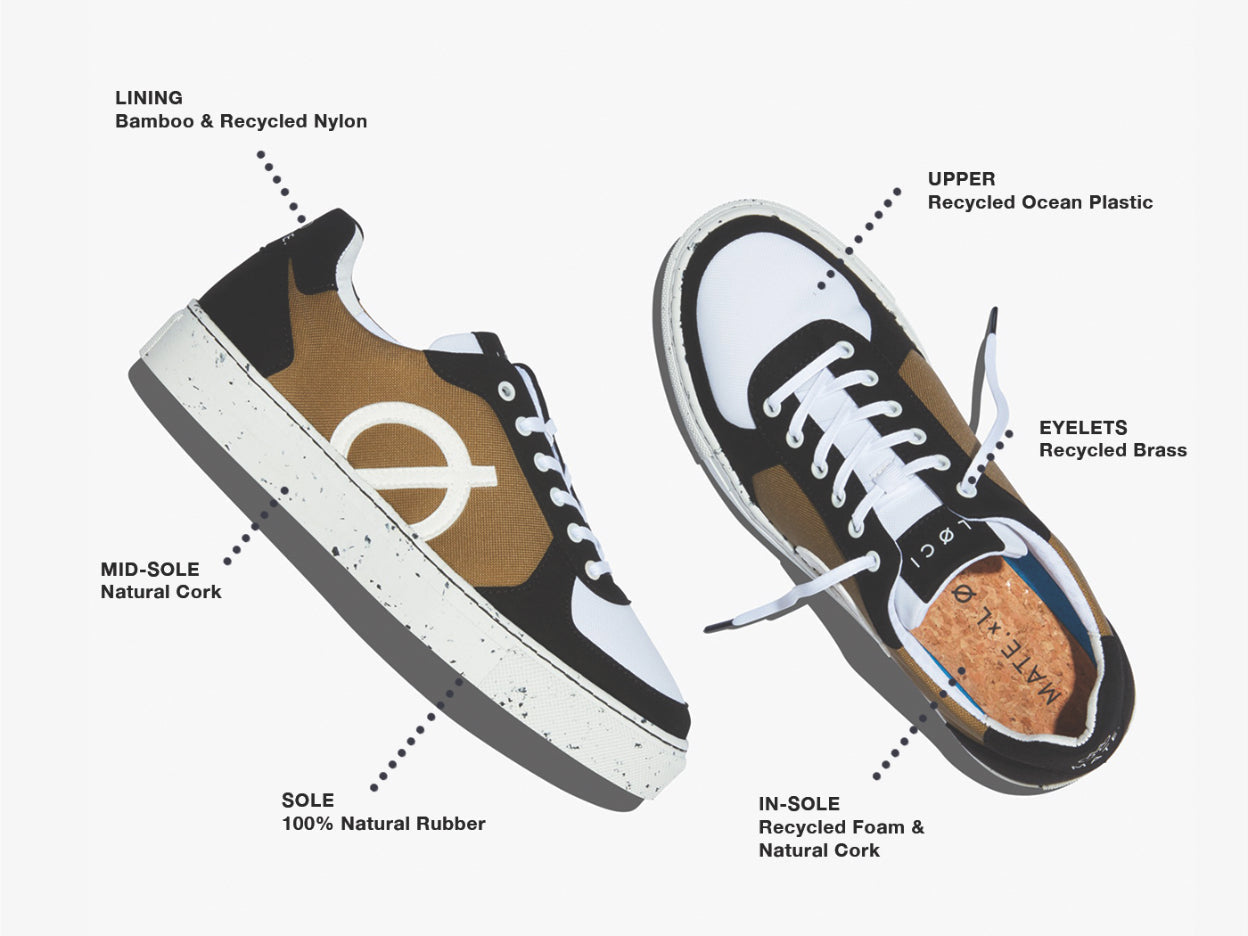
To judge the durability of plant-based trainers, follow a simple, systematic approach. - Independent verification: Ask for third-party test reports, life cycle assessments and certified lab results. Note which organisations issued each credential and exactly what was measured. Clear provenance for claims is the first sign of serious durability testing. - Construction and repairability: Prefer trainers with stitched or vulcanised joins rather than fully glued assemblies. Check for removable insoles, replaceable laces and soles that can be resoled. Use close-up photos or product schematics to identify likely wear points such as stitch lines and sole junctions. - Material performance: Compare datasheets for key metrics like tensile strength, abrasion resistance, water resistance and compressibility. Look for these values for materials such as natural rubber, cork, hemp and plant-based leathers. - Match materials to use: Match measured properties to how you will wear the trainers. Higher abrasion resistance suits heavy urban use, better compressibility helps with long days on your feet, and water resistance matters for wet commutes. Taken together, these checks give a practical picture of which plant-based trainers will stand up to real-world wear.
Demand supply-chain transparency. Trace raw material origins, ask for the percentage of biobased or recycled inputs, and review supplier audit summaries. Favour manufacturers who publish factory audit findings and worker welfare policies. Seek evidence of real-world durability through user test reviews, repair and return rates, and published failure-mode analyses, and confirm whether products have passed repeat abrasion, flex and sole bond tests. Check for clear warranty and repair policies, and request repairability data such as resoling service availability and typical repair turnaround. Taken together, these documents and practical checks let you weigh marketing claims against measured performance so you can judge which trainers will genuinely balance comfort, support and everyday performance.
Practical, repeatable checks and clear material evidence reveal which vegan trainers genuinely balance comfort, support and everyday performance. Rather than accepting broad claims, prioritise testing for secure fit, midsole rebound and structural stability, and confirm durability and supply chain transparency to better predict real-world wear.
Compare trainers using the fit and cushioning checks, structured support tests and material and ethical verifications from the guide. Request technical data sheets, inspection photos or repair policies where needed, then choose the trainers whose heel slip, torsional control and material test results best suit your gait and daily routes.