

How to Spot Genuinely Sustainable, Ethically Produced Vegan Sneakers Before You Buy
If you want vegan trainers that genuinely match your values, you need to cut through greenwash and vague claims. This guide shows how to verify materials and certifications, confirm transparent supply chains and labour standards, and evaluate fit, performance, durability, and end-of-life options.
Apply these practical checks, run simple tests, and ask retailers and manufacturers pointed questions to spot meaningful evidence. Use the steps to separate genuine sustainability from marketing, pick trainers built to last, and evaluate their environmental and social impact.

Confirm materials, certifications, and an item's environmental footprint
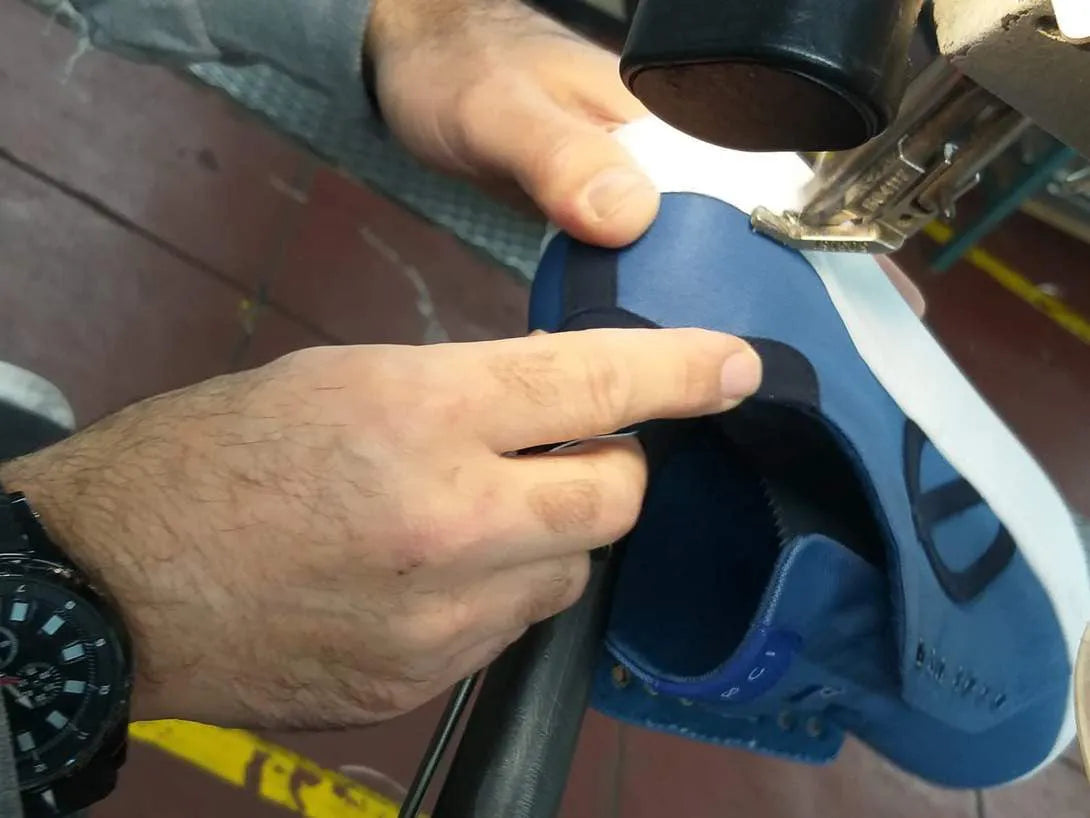
Read the materials list and certificates for the upper, lining, midsole, and outsole of the trainers. Ask brands to state exact percentages for recycled or organic content rather than rely on vague phrases such as sustainable leather or plant-based without evidence. Look for recognised certifications, for example GRS or OEKO-TEX, and follow certification logos to verifiable standards or independent lab test results. Inspect construction by checking stitching, glued joints, and sole attachment to assess durability, and whether the design supports repair or resoling.
Demand supply chain transparency: locate factory names and addresses, review third-party audit summaries, and check for published corrective action plans that enable independent verification of working conditions and labour standards. Assess environmental impact with product-level life cycle assessments and carbon and water footprint figures. Weigh material trade-offs carefully: natural fibres can have lower carbon footprints but higher water use, while recycled synthetics reduce virgin fossil inputs yet may shed microfibres. Confirm end-of-life pathways by identifying take-back schemes, recyclable material streams, or clear repairability features, rather than assuming biodegradability. Detect greenwashing by favouring quantified metrics, independent lab tests, and long-term customer reports over marketing language, and cross-check performance claims with technical data and user reviews.
Choose certified fleece with verified recycled-content percentages.

Assessing transparent supply chains and fair labour standards
Truly transparent suppliers publish supplier lists and downloadable audit summaries that name factories and suppliers, identify the auditor, define audit scope and frequency, and outline documented remediation actions so readers can verify claims beyond marketing language. Insist on independent, third-party social audits or membership of recognised multi-stakeholder initiatives, and cross-check the auditor or scheme to confirm audits cover wages, health and safety, working hours, and freedom of association. Published supplier wage ranges, the proportion of suppliers meeting a living wage benchmark, and typical working hours, including overtime policies, make underpayment risks measurable. If those figures are missing, a credible response is supplier-level wage data or documented case examples showing how underpayment was identified and resolved.
Worker voice mechanisms become visible when brands publish documented grievance procedures, commission independent worker surveys or interviews, partner with worker organisations, and publicise cases where complaints led to improvements. Positive supply-chain signals include batch traceability tools or QR codes, verifiable factory photos, and public remediation reports. Red flags include vague claims, repeated use of stock production images, missing supplier names, or refusal to share basic audit summaries or policies. Taken together, these indicators help informed buyers distinguish genuine labour oversight from tokenism.
Pick an ethically produced tee with verified supply-chain credentials

How to assess fit, performance, durability, and end-of-life options for trainers
Measure both feet, then try the shoes on with the footwear you plan to wear them with. Walk for several minutes on a hard surface. Heel slip should be less than a thumb width. Press across the forefoot and sides to reveal any pinch at the metatarsal area, and make sure your toes can still wiggle; these checks reliably predict blister risk and fit-related failures. Bend the shoe at the ball of the foot, and twist it gently to assess torsional stiffness. Press the midsole to judge compression and rebound. Visually inspect the tread for depth, siping, and distinct edge blocks to infer likely traction on wet and dry surfaces. When quantified performance matters, ask the retailer for lab values for breathability or waterproof membranes. Inspect construction for durability: prefer stitched joins, and look for double or bar tacking at high-stress seams. Check outsole thickness and how the sole attaches to the upper. Probe the toe bumper and heel counter for reinforcement, or request abrasion-test results or estimated average kilometre wear figures.
For end-of-life and recyclability, start by checking the materials list for mono-material components and minimal mixed laminates. Require clear recyclability statements, disassembly instructions, or independent verification for any compostable or recyclable claims to substantiate circularity. Prefer designs where the upper detaches from the sole, and where insoles, laces, and eyelets are standard-size and replaceable, because these features make refurbishment, re-soling, and mechanical recycling more feasible. Finally, verify whether the manufacturer publishes cleaning and repair guides, sells spare parts, or runs take-back programmes, since routine maintenance and accessible repairs measurably extend product service life.
To bring these checks together, apply practical checks to separate greenwashing from genuinely sustainable, ethically produced vegan trainers. Verify materials and certifications: ask for a clear materials breakdown, look for recycled or bio-based content, and check independent labels such as the Global Recycled Standard, OEKO-TEX, the Vegan Society, or PETA-Approved Vegan. Inspect construction for durability: examine stitching and seams, confirm secure sole attachment and quality adhesives, and assess abrasion resistance; where possible, flex the shoe and test heel stability. Seek published life-cycle and audit data: product-specific life-cycle assessments or environmental product declarations, third-party supplier audits, and a transparent factory list or traceability map. When brands publish verifiable, third-party data alongside clear materials information, their sustainability claims carry more weight.
Prioritise verifiable metrics, independent lab tests, and clear repair and end-of-life options over marketing claims. Before you buy, ask brands to provide supplier names, audit summaries, quantified material percentages, and lab test results. Test trainers in person for fit, torsional stability, and expected sole wear. When brands supply documented proof, you can confidently choose trainers that align with your values and are designed to last.