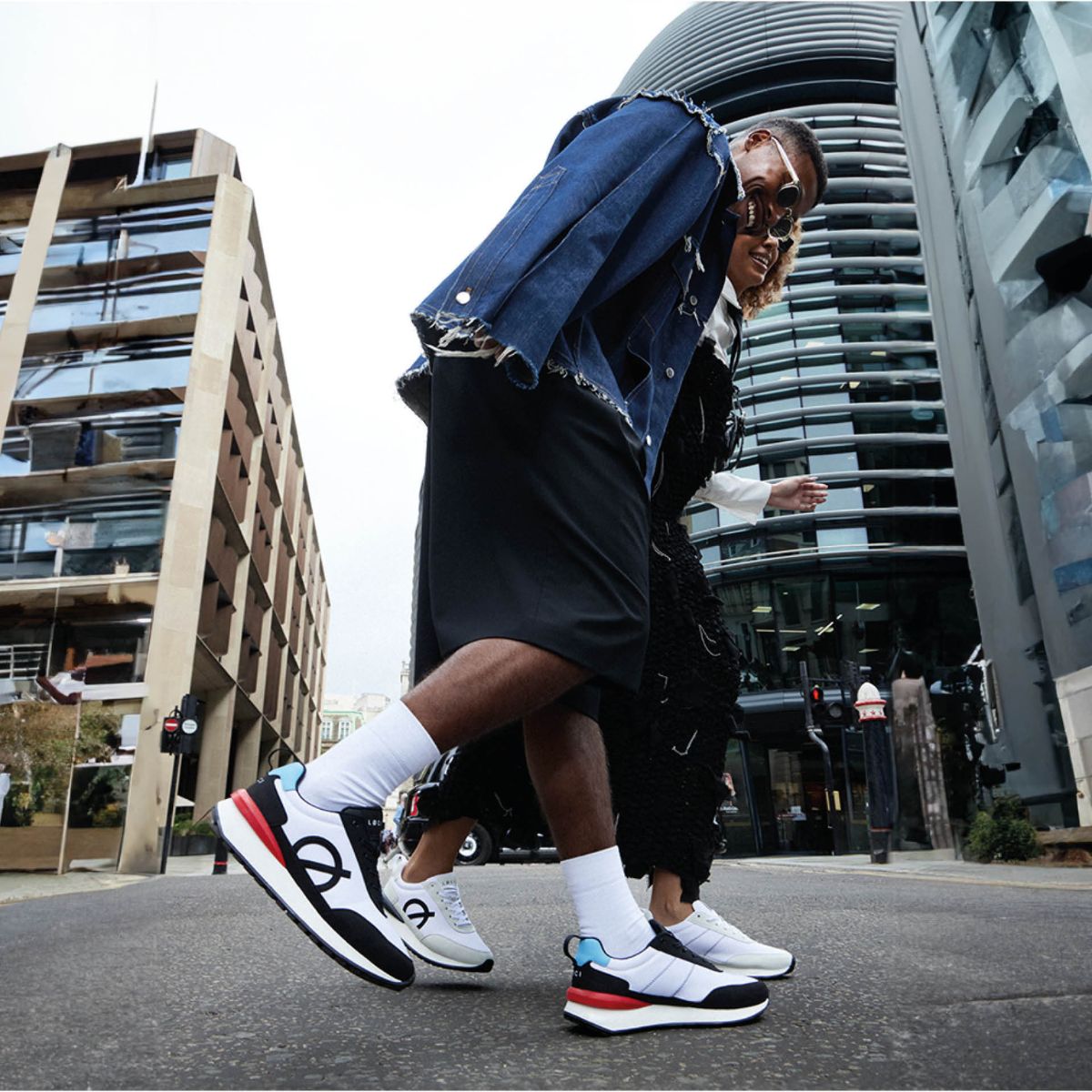


Top 3 Men's Vegan Trainers Built for Commuting, Walking, and Cycling
Commuting, walking and cycling place different demands on trainers, so many vegans end up with pairs that wear quickly, slip on pedals, or leave their feet aching. How do you choose a single pair of vegan trainers that balances durability, traction, pedal efficiency, fit, cushioning, and arch support?
This post cuts to the essentials: durability and pedal efficiency, fit and support, and transparent, sustainable production. Learn how to identify materials, sole constructions, and fit cues that signal long life, pedal-friendly grip, and all-day comfort, so you can choose trainers that perform and reflect your values.

1. Prioritise durable grip and pedal efficiency in trainers for commuting, walking, and cycling
When assessing trainers for riding or walking, focus on midsole stiffness and the forefoot flex point. These determine how efficiently your pedalling force reaches the pedal and how naturally the shoe bends on foot. Press and bend the shoe at the ball of the foot: the flex should sit at the ball, not further back, which indicates better pedal efficiency without feeling clumsy when you walk. Thicker, denser midsoles usually boost power transfer by limiting energy loss, but they reduce ground feel, so choose according to how much feedback you want from urban surfaces. Outsole tread governs wet grip and confidence on damp paving; look for siping, multiple contact patches, and high-friction rubber compounds, and check tread depth and contact areas to predict behaviour on slick paint or wet stone.
When choosing sneakers, trainers, or high tops, opt for uppers made from coated textiles or engineered weaves, and look for reinforced toe and heel, double stitching, and bonded overlays, which indicate abrasion resistance and thoughtful construction. In-store, simulate pedalling or a brisk walk to confirm minimal heel lift, a secure heel cup, and a roomy but controlled toe box; these features reduce hotspots and improve stability on commutes. Favour removable insoles and modest arch support to manage pressure over long rides, and prefer stitched or stitch-down sole attachments over fully glued assemblies to extend serviceable life. Monitor visible sole-wear patterns, clean footwear with mild soap, reproof coated textiles when water no longer beads, and dry away from direct heat. Keep replaceable components such as insoles, laces, reflective panels, and toe caps so you can make simple repairs and maintain safety.

2. Optimise fit, cushioning, and arch support for all-day comfort
Measure both feet while standing and size to the larger foot. Try trainers on wearing the same type of foot covering you normally use for commuting, and leave about a thumb’s width of space at the toe to allow natural movement. Ensure the heel sits snugly without slipping, then walk around to spot hotspots or pinching. Determine your arch type with a simple footprint test, and choose trainers with appropriate medial support or removable insoles so you can insert orthotics if needed.
Opt for cushioning that pairs a softer heel for impact absorption with a firmer, more responsive forefoot to aid pedalling. Denser foam under the ball of the foot transmits power more efficiently, while softer heel foam reduces walking fatigue. Bend the trainer where your toes bend, not through the midsole, and press the heel counter to check it is firm enough to prevent slippage and improve pedalling efficiency, while ensuring the toe box allows natural toe splay. Choose vegan uppers that balance breathability and water resistance, and linings that wick moisture to cut sweat and blister risk. Finally, pick an outsole made from durable rubber with a tread pattern that grips wet and uneven surfaces, while keeping overall weight low to reduce fatigue on long commutes.

3. Choose sustainably made trainers backed by transparent sourcing and ethical production
Ask for a full material breakdown listing percentages of recycled, renewable, and biodegradable content, and request third-party verification. Higher verified recycled content and reclaimed inputs reduce reliance on virgin resources and support circularity. Consult life cycle assessments and carbon footprint data to compare material trade-offs rather than relying solely on the vegan label; some synthetic leathers carry large fossil-fuel footprints and resist recycling, while some plant-based alternatives demand energy- and water-intensive processing. Favour manufacturers that publish measurable KPIs on energy, water, chemical management, and carbon, and that use independent audits or recognised certifications to demonstrate labour and environmental compliance.
Review supply chain transparency by looking for public factory lists, audit summaries, and traceability maps so you can cross-check working conditions, labour standards, and independent audit findings before you buy. Prioritise repairability and circular services: choose trainers with stitched or replaceable soles, standard spare parts, and accessible repair or take-back programmes to extend service life and lower lifetime environmental impact. Confirm repair options and spare parts are actually available to you, and read repair and take-back policies rather than assuming those services exist. Together, traceable production and practical circular options give concrete evidence you can use to weigh environmental and labour impacts and make an informed choice.
Bringing these considerations together, choose vegan trainers that pair a pedal-friendly stiff sole with a forefoot flex point at the ball of the foot, a siped rubber outsole for improved wet-surface traction, and reinforced uppers to resist abrasion. A stiff sole preserves pedalling power, the forefoot flex point enables a natural toe-off, siped rubber channels water to boost grip, and reinforced uppers extend the shoe's working life during daily commuting, walking, and cycling.
Measure both feet to confirm fit and comfort. Test heel lock and toe splay while wearing the footwear you plan to pair them with, and choose removable insoles to manage arch support and reduce hotspots. Ask brands for a clear material breakdown, repair options, and supply chain traceability so you can compare actual environmental and labour impacts, rather than rely on labels alone.