
Top 3 Ways Artists Shape Materials, Production and Durability in Sustainable Fashion
Why do some sustainable garments feel luxurious while others fall apart after only a few wears? The difference usually comes down to the people who make them. Designers and makers select fibres and finishes for touch and ageing, oversee production that values ethical craft, and design pieces to last, to be repaired, and to stay in the wardrobe.
Discover how intentional material choices create sensory stories that change how people wear and care for garments. We then examine how artist-led production elevates craft and transparency, and how designing for longevity, repair and circularity keeps pieces in use and reduces waste.

1. Harness materials to craft sensory stories that bring design to life
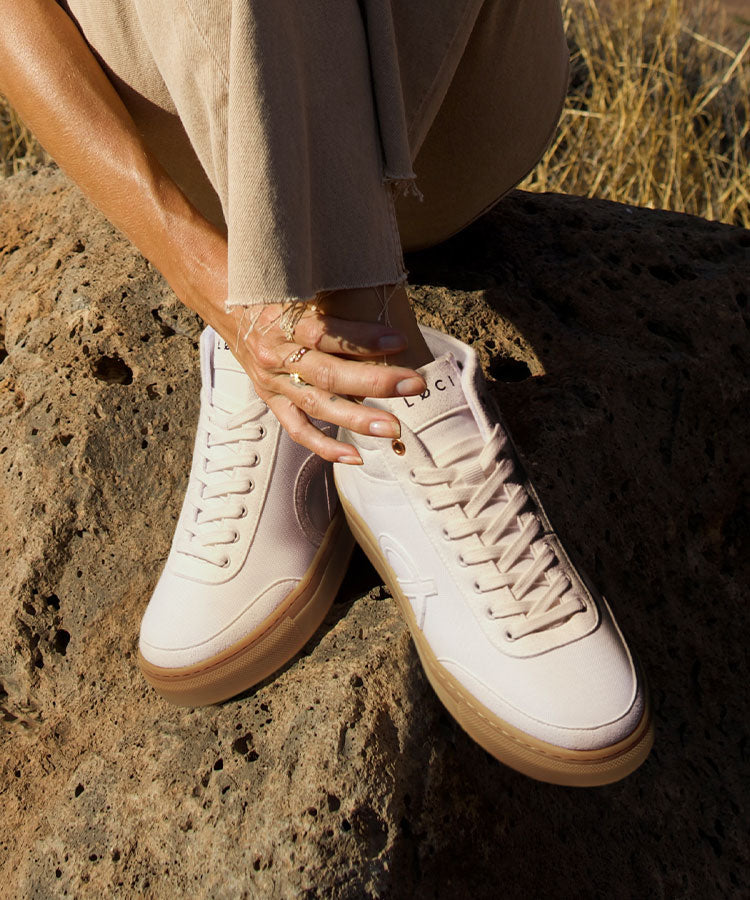
For trainers and other footwear, begin with a tactile swatch library and a sensory map. Gather material samples and record objective test results, such as abrasion cycles and pilling tendency, while logging subjective notes from wear trials to build a searchable reference that links fibres and constructions to handle, drape, sound and ageing. Prototype at scale to control sensory outcomes: vary weave, stitch density, seam placement and lining, then evaluate movement and sound on a body or mannequin and use video to compare options before deciding on a production approach. Run accelerated wear and wash tests to observe patina and changes in handle, and favour fibres and finishes that develop character rather than degrade. This evidence-led sequence makes sensory outcomes predictable and reproducible for production.
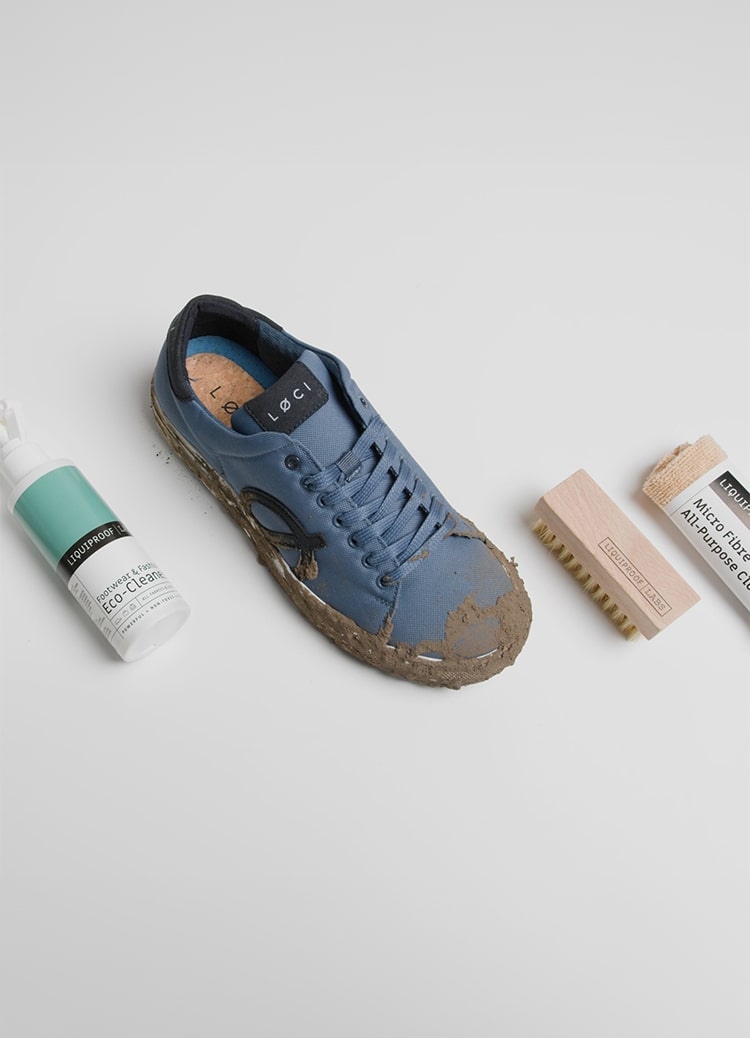
Work directly with textile technicians and skilled artisans in co-design sessions to turn tactile intent into clear recipes for dye, finish and construction, and record those recipes so colour, finish and build remain consistent and durable when scaled. Specify recommended finishes and straightforward maintenance routines in product copy, close-up imagery and care guides so wearers understand how to retain sensory qualities and what to expect as materials age. Use that communication to align production methods with the sensory lifecycle you want to deliver, helping to extend functional life — and keeping trainers performing and feeling as intended.

2. Champion artist-led production to elevate ethical design and craft
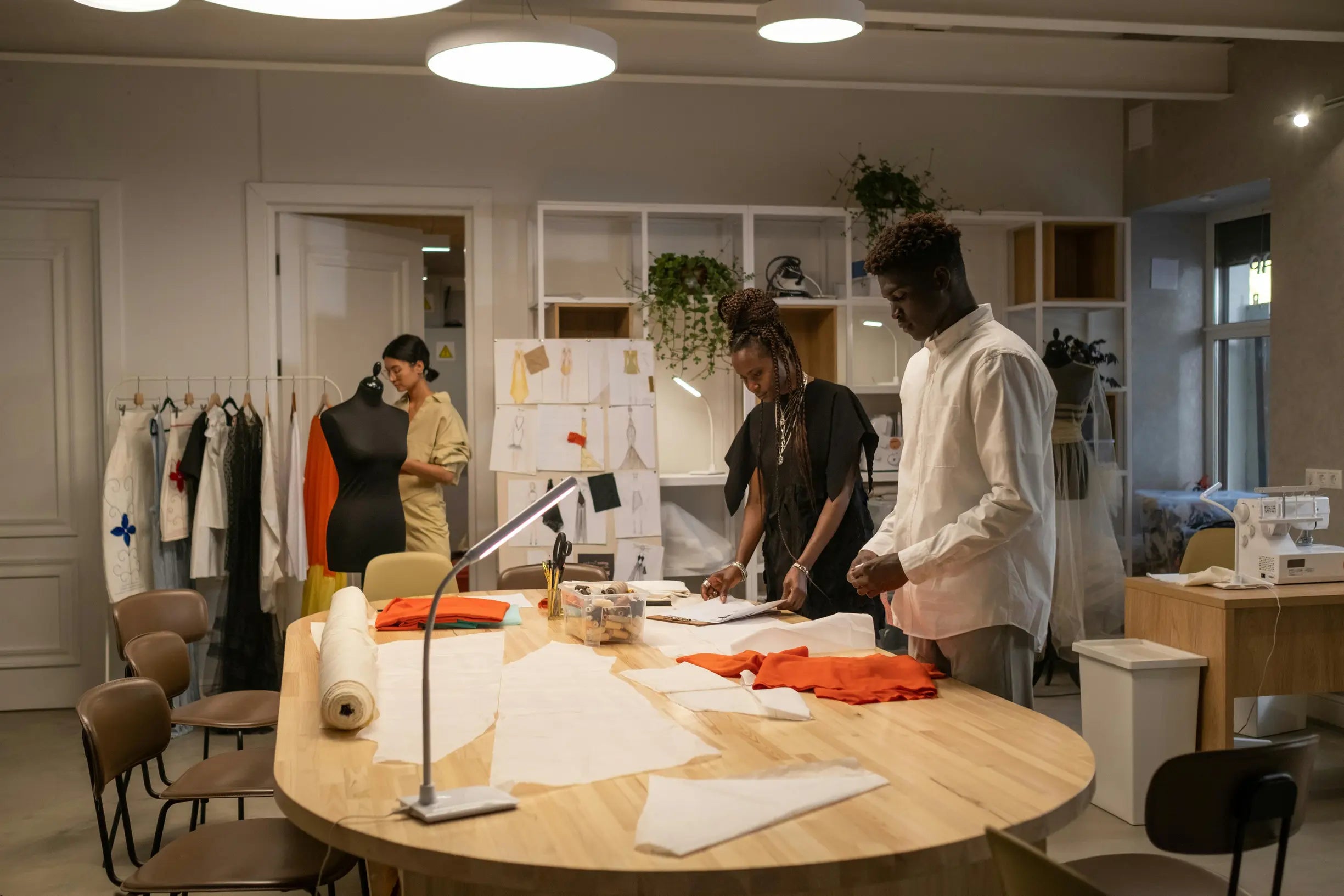
Commission artist-led micro-production runs that centre co-design sessions, small-batch prototyping and pre-orders to match supply with demand. Formalise labour agreements to set clear hours, rights and intellectual property, reducing defects and waste. Ask artists to design for repair and modularity, using removable panels, standardised fastening points and labelled repair patterns. Provide repair kits and stitch diagrams to extend garment life and address common failure points. Record technique walkthroughs, produce pattern blocks and specify stitch counts, finish tolerances and sourcing notes so tacit knowledge becomes a reproducible production asset.
Make skill transfer standard through short artist residencies that train production teams, map capabilities with a skills matrix and rotate makers across manufacturing steps so craft techniques become everyday practice. Capture worker feedback and learning outcomes to refine processes and reduce reliance on undocumented methods. Measure durability and social impact with extended wear trials, abrasion testing, recorded repair frequency and failure-mode analysis, plus maker surveys to build comparative evidence. Use that evidence to iterate patterns, reinforce weak seams and compare the longevity and social benefits of artist-led production with conventional approaches.

3. Design for longevity, easy repair and true circularity
For fashion that lasts, prioritise repairable construction: specify stitched seams rather than glued bonds, reinforce stress points with bar tacks and reinforced buttonholes, and leave accessible seam allowances so tailors can alter or mend garments. Design modular, upgradeable pieces with interchangeable components — removable sleeves, collars and hems that attach via standardised points — to extend fit and style across seasons and body changes. Optimise pattern cutting by using larger seam allowances, arranging panels to minimise offcuts and adopting grading strategies that produce multiple sizes from a single block, making remanufacture and upcycling simpler.
Choose mono-material panels and use mechanical fixings for trims and linings. Avoid laminated or chemically bonded mixed-fibre assemblies so material streams remain sortable and reprocessable. Design garments for disassembly by separating trims and linings and by using removable fixings, allowing recyclers to separate fibre streams without contamination. Attach durable labels or QR codes that link to washing guidance, step-by-step mending tutorials and spare-part ordering to make care and repair straightforward for wearers. Include simple repair patterns and a spare-buttons pack, and clearly signpost reuse and recycling routes to cut down on premature disposal.
Artists and makers shape how sustainable garments look, feel and age by selecting fibres and finishes that develop character rather than simply degrade. Evidence from sensory swatch libraries, accelerated wear tests and documented artisan recipes makes these outcomes predictable and reproducible in production. The same rigour applies whether designing trainers, high tops or everyday fashion: considered materials and tested finishes drive longevity and meaningful design.
Small-batch production, repairable construction and favouring mono-material panels cut waste, extend service life and keep material streams intact for recycling. When designers and makers use artist-led methods, from tactile prototyping to clear, practical care guidance, wearers gain realistic expectations and repair becomes a viable option. The outcome is that sneakers, trainers and other fashion pieces are easier to maintain, stay in wardrobes longer and re-enter circular systems more readily.