
Top 5 Colour Combos and Outfit Formulas to Pair with Bright or White Trainers
White or brightly coloured trainers can transform an outfit, but they often prompt questions about colour clashes, proportion, and whether they suit smarter dress codes. If you pause in front of your wardrobe, unsure whether tailored trousers, a midi dress, or a statement coat will work, you are not alone.
This guide shows you how to read the tone and silhouette of your trainers, choose versatile staples, apply colour-combination principles, and assemble outfit formulas for different occasions. Practical examples, small tweaks such as a contrasting accessory or a slightly shorter trouser hem, and clear care tips will help you create polished, intentional looks and keep your trainers in peak condition.

1. Assess trainers' tone and silhouette for style and fit
Place your trainers next to the clothes you plan to wear to compare pure white, off-white, and brighter colours, and note whether the undertone feels warm or cool. Higher contrast makes trainers the focal point, while closer tones create a subtler, cohesive look. Assess the sole and overall bulk: chunky, platform, or low-profile soles add different visual weight. Heavier soles can shorten the leg line, so balance chunky trainers with cropped trousers, straight hems, or longer outer layers to preserve proportion. Read the shoe’s shape and lines by inspecting the toe box and upper; rounded, square, or streamlined forms communicate different levels of formality. Pair sleek trainers with tailored trousers, and rounded or bulkier styles with relaxed denim.
Note materials and finishes. Different surfaces reflect light and age in distinct ways: glossy, leather-effect finishes read smarter alongside sharper pieces, while suede alternatives and textured mesh sit naturally next to tactile fabrics such as knitwear and corduroy. Pay attention to catalogue accents and colour details like laces, panels, and trims, and choose one standout accent to repeat across your outfit to tie elements together. Control competing patterns, and consider how visible ankle or legwear choices will amplify or mute those accents, since a small pop of colour can register as either intentional or accidental. By observing tone, silhouette, shape, material, and accents, you can decide whether to let trainers take centre stage or to integrate them into a cohesive, proportionally balanced look.
Pair with cropped joggers to balance chunky trainers.

2. Choose versatile wardrobe staples for effortless everyday style
Choose a crisp white T-shirt as a neutral canvas: its clean lines and breathable cotton blend hold their shape, keeping bright trainers prominent whether you tuck, half-tuck, or wear the tee loose. Pair it with a single-breasted blazer in navy, charcoal, or camel to introduce structure that balances the casualness of trainers and lets smart and sporty elements sit together. Opt for straight-leg or relaxed denim in mid blue or black, minimally distressed and cropped or rolled to reveal the shoe profile; the contrast in texture and proportion keeps the outfit considered and easy to move in.
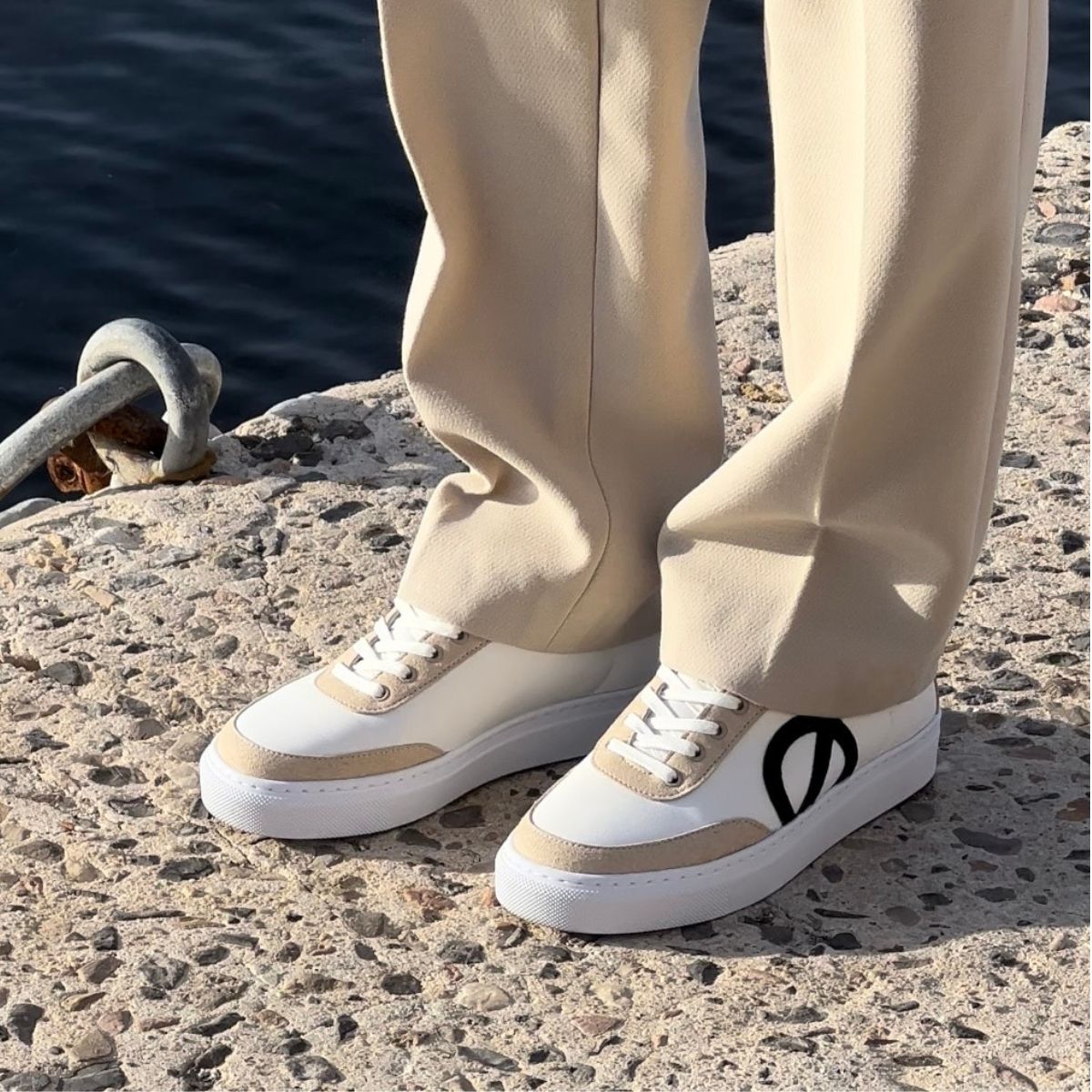
Anchor a bold trainer with neutral chinos or tapered trousers in beige, stone, khaki, or black to create a calm backdrop you can dress up with a shirt or down with a sweatshirt. Cuff the hem to expose the trainers and sharpen the silhouette; a tapered cut preserves proportion when you add bulkier outerwear. Keep a fine-gauge jumper and a lightweight jacket, such as a bomber or trench, to shift formality and respond to changing weather without upsetting the colour balance. Use layering to pick out a trainer accent — for example, choose a lining or knit that echoes a shoe colour so the outfit reads cohesive, not accidental.
Adds vintage softness while grounding bright trainers.

3. Apply colour-combo principles to build cohesive sneaker outfits
Use contrast when you want trainers to take centre stage, and tonal dressing when you want them to sit within the outfit. For example, pair white trainers with a navy blazer and grey trousers for a tonal effect, or wear bright trainers with neutral jeans and a simple tee to make the shoes pop. Apply the colour wheel practically: choose complementary colours for punchy contrast, or analogous hues for a harmonious look. Echo the trainer colour in one garment or accessory, and keep the rest neutral. Limit your palette with the rule of three, a dominant base, a secondary mid tone, and a single accent, so relationships read clearly. Control saturation and value by pairing saturated trainers with muted fabrics, or by adding one saturated piece to white trainers. Consider texture too: matte fabrics mute brightness, while glossy surfaces amplify it.
Test outfit ideas with simple formulas: jeans, a white tee, bright trainers, and an accessory in the trainers' colour; or tailored trousers, a shirt, white trainers, and a tonal outer. Photograph the look in natural light and assess balance from chest to foot. If colour balance feels off, use this quick tweak hierarchy: change the accessory first, then adjust footwear accents, then alter the outer layer. These steps speed up styling and help the trainers read either as the centrepiece or as a seamless part of the outfit, depending on your goal.
Add a vintage‑wash tee to echo your trainers' colour

4. Build outfit formulas around trainers for every occasion
Office and smart-casual: Pair white trainers with tapered, ankle-length trousers, a crisp shirt, and a structured blazer in navy, grey, or camel. Keep the hem visible to show the trainers. Choose matte fabrics for a polished finish, and limit the palette to two neutrals and one accent so the contrast between tailoring and casual footwear reads intentional and modern. Weekend errands: Build a relaxed formula around straight-leg denim, a plain tee, and an overshirt or lightweight bomber. Roll one cuff or opt for a cropped jean to balance proportions. Use a tonal base so bright trainers stand out, and add a compact crossbody or tote for hands-free practicality. Travelling and commuting: Favour stretch chinos or smart joggers, a breathable base layer, and a streamlined shell or cardigan. Choose low-lace or slip-on trainers to keep transitions quick, and keep the outfit mostly monochrome so the trainers act as an anchor. Pick crease-resistant fabrics to arrive looking fresh. Across these formulas, mind proportion and visible hems, prioritise refined textures over heavy shine, and ensure the trainers function as a deliberate anchor rather than a default choice.
For evening casual and date nights, elevate trainers with dark, slim jeans, a fine-gauge knit or smart shirt, and a vegan leather jacket or unstructured blazer. Keep accessories minimal so refined textures do the work. In warm weather or at festivals, pair tailored shorts or lightweight linen trousers with a patterned short-sleeve shirt or Breton top. Wear trainers with bare ankles, and use one colour from your footwear as a linking accent in an accessory or print. Favour natural fibres to stay comfortable in the heat. Overall, favour a restrained colour scheme, balance casual and tailored pieces, and let considered fabric choices and visible detailing make every trainer-centred outfit look deliberate rather than accidental.
Reach for refined fleece separates for polished, travel-ready ease.

5. Care for trainers: practical maintenance and styling tips
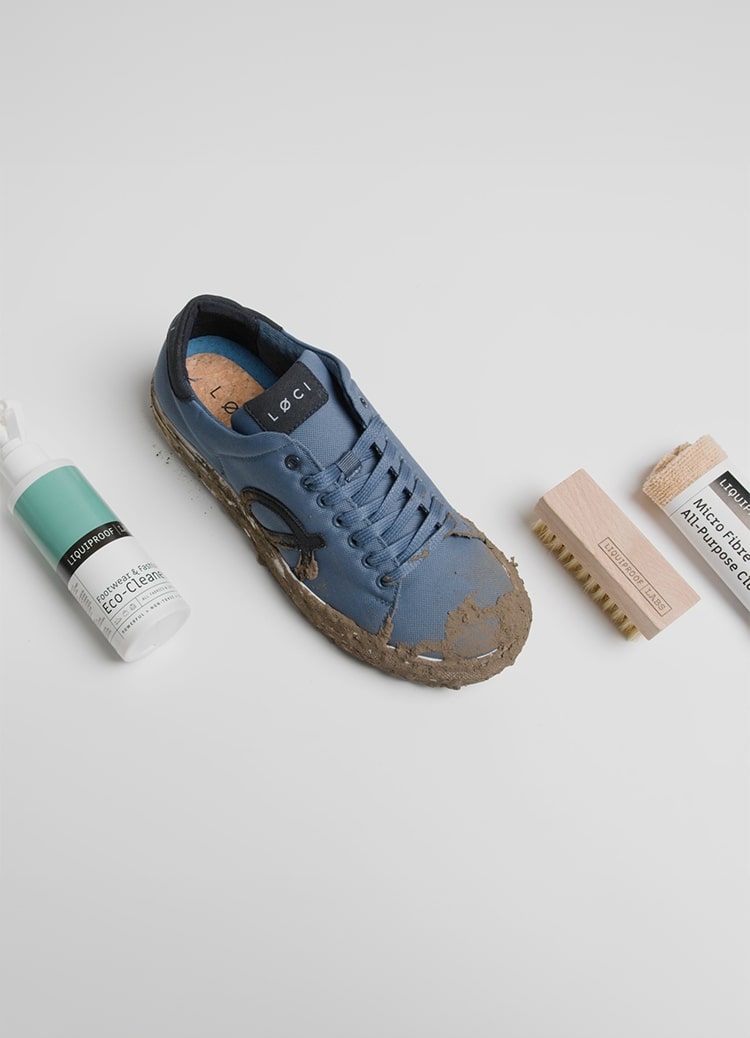
Start with a pre-clean ritual. Brush off loose dirt, then lift surface grime with a microfibre cloth so you do not grind grit into leather, suede, or knit during deeper cleaning. Treat each material appropriately: use a pH-neutral cleaner and a leather conditioner for leather, a suede brush and rubber eraser to restore nap and lift scuffs, and spot-clean mesh or knit with a mild detergent after testing it on a hidden seam. For soles and midsoles, make a gentle paste of bicarbonate of soda and water, or use a non-chlorine cleaner applied with an old toothbrush; rinse, wipe away residue, and let parts air dry at room temperature. Store trainers out of direct sunlight to reduce yellowing.
Test a water- and stain-repellent protector on an inconspicuous area, then apply a product formulated for the trainer material to repel moisture and stains. Use shoe trees or stuff with breathable paper to maintain shape and reduce creasing, and rotate pairs so each set can air between wears. Store trainers in breathable bags to limit moisture and odour, and keep them out of direct heat and sunlight to prevent drying and fading. Small styling tweaks make a noticeable difference: swap laces to echo an accent colour, adjust trouser break and ankle exposure to control how much of the trainer shows, and coordinate accessories, such as a belt or watch strap, with trainer accents for visual cohesion. These practical steps reduce creasing, material fatigue, and odour, keeping trainers in good condition and helping them sit neatly within an outfit.
Bright or white trainers can anchor a considered wardrobe if you match their tone and silhouette, choose versatile staples, and apply clear colour rules. Balance proportion, fabric finish, and a restrained palette so the trainers become either the outfit’s centrepiece or a seamless element of a smart-casual look.
To recap, use five headings to structure the process: assess trainer tone and silhouette, choose versatile wardrobe staples, apply colour combo principles, assemble outfit formulas by occasion, and care for trainers. Test simple formulas, photograph each look in natural light, then tweak accessories, hems, or layering until the balance feels purposeful. Start with one outfit formula, refine it through a quick-tweak hierarchy, and rotate care routines so your trainers stay fresh and every look reads as a composed, considered outfit.