
3 Rules to Choose Vegan Trainers for Style, Lifestyle, and Performance
Finding vegan trainers that suit your style, perform when you need them, and reflect your values can feel overwhelming. Materials vary widely, marketing claims often blur real differences, and activity requirements differ from gym sessions to daily commuting.
Stick to three practical rules: match your look to how you will use your trainers, choose sustainable, ethically sourced materials, and check fit, support, and care. Use these checkpoints to shortlist options that look right, perform reliably, and last longer.

1. Match your style to the purpose of your trainers
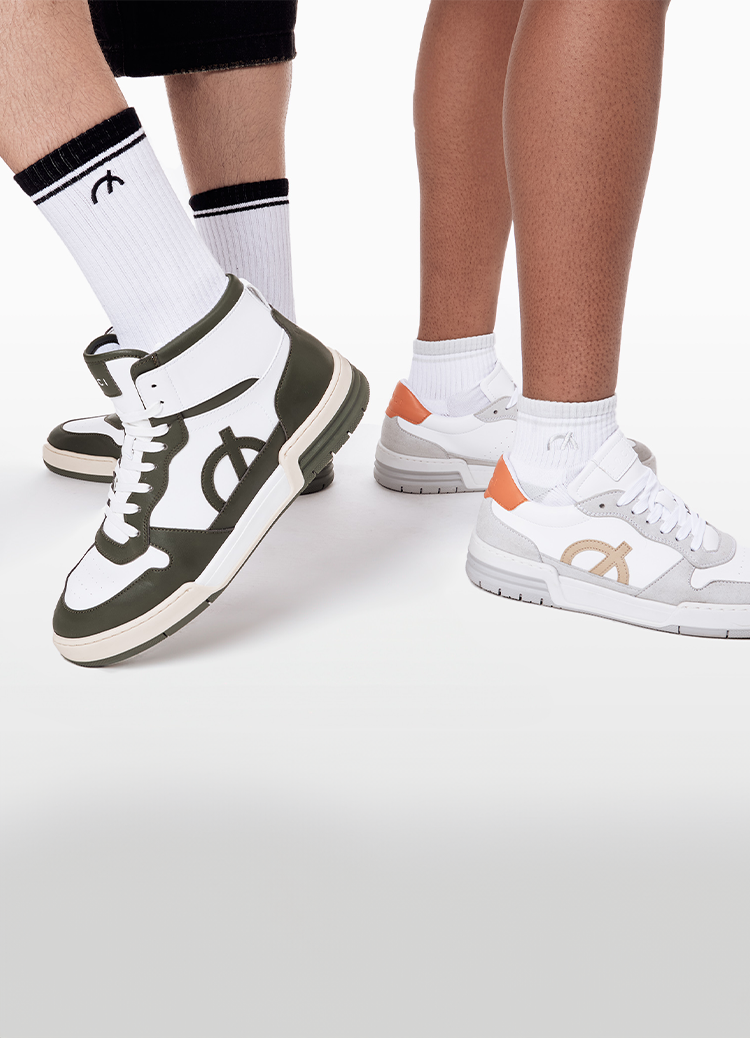
Begin by matching common purposes — commuting, studio workouts, long walks, weekend socialising — to visible design cues. For commuting, favour a low-profile silhouette, a grippy rubber sole, and a water-resistant upper. For studio sessions, prioritise lateral support, a breathable upper, and a responsive midsole. For long walks, seek ample cushioning, a durable outsole, and a roomy toe box. For casual, style-led looks, pick a chunkier sole, a textured or patterned upper, and a distinctive silhouette. Quick checklist (tick your priorities, then scan for the three observable features listed): - Commuting [ ] Look for: low-profile silhouette, grippy sole, water resistance - Studio workouts [ ] Look for: lateral support, breathable upper, responsive midsole - Long walks [ ] Look for: cushioning, durable outsole, roomy toe box - Weekend socialising [ ] Look for: chunky or textured sole, distinctive upper, eye-catching silhouette Show outfit pairings to demonstrate how silhouette changes style. Examples: slim, plain trainers with tailored trousers and a smart overcoat for a pared-back look; chunky or textured trainers with relaxed denim and a bomber for streetwear; lightweight knit trainers with shorts and a linen shirt for warm weather. When trying them on, wear the underfoot layers you normally use, test trainers with the trousers or skirt you plan to pair them with, walk on different surfaces, and perform side-to-side moves to check stability, ankle line, and how the shoe alters your leg line. During the test, note any rubbing, slippage, or pressure points after a short walk, and compare how the silhouette works with the outfits you pictured.
Match appearance to behaviour with a materials and finish primer that applies to sneakers, trainers, and high tops. Matte microfibre resists visible scuffs and keeps a neater line. Care: wipe with a damp cloth, use a mild detergent only if necessary, and store away from direct heat to avoid warping. Suede darkens when wet and shows dust and marks more readily. Care: brush regularly with a suede brush to lift the nap, apply a protective suede spray before wear, and blot moisture rather than rubbing. Knitted uppers crease and stretch with wear. Care: rotate between pairs to limit overstretch, stuff the toe with tissue when not in use to retain shape, and spot-clean with a soft brush and gentle soap. Colour and detail strategy: start with a neutral base that complements most of your high street wardrobe, then add one or two subtle accents, such as coloured laces or patterned linings, to introduce character without overpowering outfits. Do a simple three-item palette test: hold the shoe up to three staple garments, for example jeans, a neutral jumper, and a jacket, to judge how the colour and details sit in real life.

2. Choose sustainably and ethically sourced materials for your trainers and sneakers
Match the material to how you use your trainers: each sustainable option carries performance trade-offs. Recycled polyester and nylon resist water and abrasion, so they work well for wet commutes and active training, but they can shed microfibres into waterways. Organic cotton and lyocell breathe better and break down more readily, making them a strong choice for casual, warm-weather wear. Natural rubber and cork deliver grip and shock absorption for longer walks, trails, and high-impact days. Plant-based leathers provide an animal-free aesthetic with durable uppers for city and everyday styles. Weigh these properties against your typical activities to find the best fit.
When assessing trainers or other footwear, check maker claims against recognised standards. Seek certification numbers or third-party verification, rather than relying on buzzwords. Inspect construction for longevity and repairability: favour stitched soles, reinforced seams, and removable insoles, and ask sellers about glue use when photos are unclear. Plan for end of life by preferring mono-material designs or clearly labelled mixes, checking for take-back or recycling schemes, and following care guidance, because proper maintenance extends lifespan. Consider social context alongside materials: prioritise products that publish supplier lists, audit summaries, or traceability information so environmental benefits align with decent working conditions.

3. Assess trainer fit, support, and care for lasting performance
When trying on trainers, wear the foot coverings or insoles you normally use, and leave about a thumb's width of space in front of your longest toe. Squat and walk to make sure the shoe bends where your foot naturally pivots, and accelerate briefly to check for heel slip. Press the midsole with your thumb to gauge firmness for your typical activity, and confirm the heel counter stabilises the rearfoot. Favour removable insoles if you use orthotics or want to rotate different levels of support. Finally, test the last and the lacing system during quick movements; instability, hot spots, or uneven pressure usually indicate a poor match for your gait.
After on-foot tests, inspect construction that predicts durability. Check stitching and seam bonds around high-stress areas, such as the heel and toe, and look for reinforced stitching or bar tacks. Ensure the outsole is securely attached, with even glue lines where the upper meets the sole, and note tread depth and rubber placement in zones you expect to wear most. Simulate real use to reveal performance issues. Walk briskly, make quick lateral cuts, climb and descend stairs, and try the trainers on different surfaces to test traction and fit. Pay attention to how the sneaker responds under load: slipping, excessive midsole compression, or upper stretch point to likely wear or fit problems. Follow material-specific care to protect lifespan. Wipe synthetic uppers with a damp cloth and mild detergent, and use a soft brush on knit fabrics. Remove insoles after use and air them to dry. Avoid direct heat when drying to prevent separation at glued seams. Reapply a compatible water-repellent when the upper no longer beads water. Combine these construction checks and real-use observations to judge likely longevity and suitability for your lifestyle. If you rely on trainers for daily commutes or active use, prioritise reinforced outsoles and stable uppers.
Align style with purpose, choose materials that suit how you move, and check fit and follow care instructions so your trainers retain their appearance, remain functional, and extend their usable life. For example, a pared-back silhouette complements tailored trousers, abrasion-resistant recycled fibres withstand the rigours of commuter routes, and a firm heel counter prevents hot spots during quick lateral moves.
To recap, use three checkpoints: style, sustainability, and fit to shortlist candidates, whether sneakers, trainers, or high tops. Inspect construction and certifications, and simulate real-world stresses, such as daily walking, commuting, and weekend activity, before you commit. This process cuts the need for replacements, preserves the look you intended, and aligns the shoes' impact with your values.