
5 Features to Look for in Vegan Sneakers for Everyday Wear
Vegan sneakers have moved from niche to mainstream, but many still vary widely in comfort, durability, and sourcing transparency. How do you spot everyday-ready trainers that look good, provide real support, and carry credible ethical credentials?
This guide breaks five practical features into clear checks you can use when buying sneakers, trainers, or high tops: sustainable materials, precise fit and arch support, durable soles with reliable traction, versatile styles, and verifiable ethical credentials. Focusing on these factors cuts the risk of blisters and premature wear, simplifies outfit choices, and helps you spot greenwashing, so each pair performs well and reflects your values.

1. Choose sustainable, vegan materials for durable, ethical footwear
Common sustainable vegan uppers for sneakers and trainers include recycled PET, bio-based polyurethane (PU), cork, mycelium leather, pineapple fibre, hemp, and Tencel. Each material balances distinct trade-offs for everyday wear. - Recycled PET and bio-based PU provide lightweight structure and reasonable water resistance, but their breathability and abrasion resistance can vary by formulation and finish. - Cork and Tencel favour breathability and odour control, yet they typically need protective finishes to cope with wet weather. - Mycelium leather and pineapple fibre tend to feel softer and register lower embodied impacts, meaning less resource intensity during production. - Hemp delivers strong durability and abrasion resistance, though it can feel stiff until it breaks in. Choosing an upper means weighing those trade-offs against the demands of your day-to-day use, such as breathability for long walks or water resistance for wet commutes.
When assessing sustainable sneakers, trainers, or high tops, look for labelled recycled-content percentages, fibre-origin statements, and independent standards such as the Global Recycled Standard or OEKO-TEX. Ask the retailer whether materials are post-consumer, post-industrial, or bio-based so you can compare genuine claims. Inspect construction closely: check seams, edge finishing, and how uppers bond to soles, and favour designs with replaceable insoles or resolable soles to extend usable life. Prefer mono-material constructions or separable components that recycling systems can process, and keep care labels intact to help take-back schemes and recycling centres manage end of life. Finally, match material choices to breathability, moisture management, weight, and odour performance for your typical conditions, and follow the manufacturer care guidance to preserve those properties.
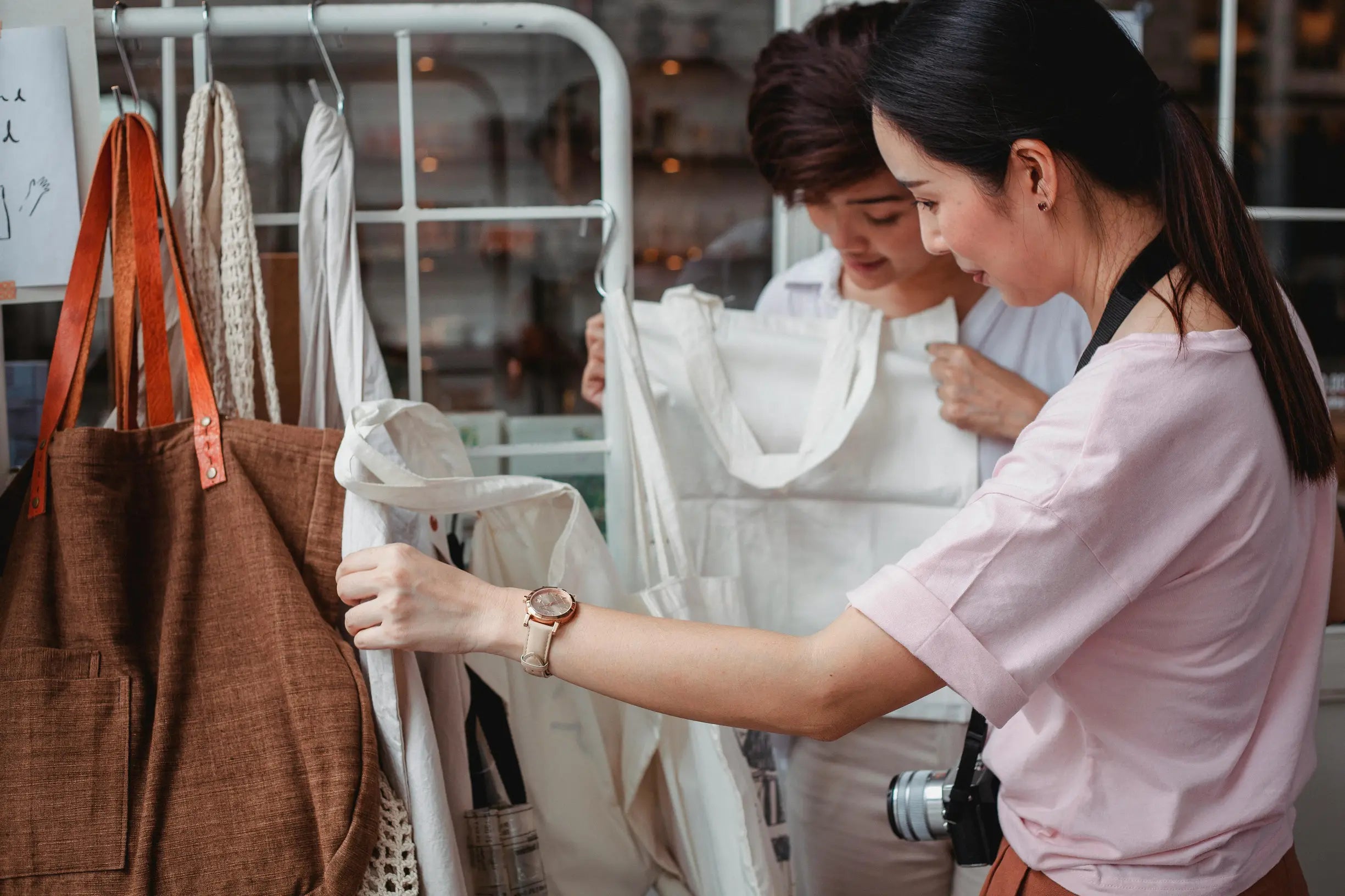
Choose a certified recycled-content layer to match sustainable choices.

2. Ensure a precise fit and reliable arch support
Measure both feet at the end of the day by tracing each foot on paper, then measure length from heel to the longest toe and width at the widest point. Allow 10 to 15 mm of space in front of the longest toe to accommodate natural foot splay and the thickness of any insole or liner. A wet footprint is not a reliable way to classify arch type; if you have concerns about arch height or support needs, seek a professional assessment so you can choose shoes with an appropriate midsole contour or insole. Prefer trainers with removable insoles, compare the factory insole to your foot or custom orthotic for length and arch curve, and confirm the shoe accepts an insert without causing heel lift or toe crowding.
Check midfoot support and heel stability by bending the shoe so it flexes at the forefoot, not the midfoot. Press across the arch to confirm a contoured midsole. Assess the heel cup for firmness and a clear cradle, since a stable heel cup and defined arch help prevent excessive inward roll and support better alignment. When trying shoes on, wear what you would normally have on your feet and walk on a hard, flat surface to detect pinching, slippage, or midfoot rollover. Finish with a single-leg balance test to reveal hidden instability. Treat persistent pressure points or numbness as signs of a fit or support mismatch, not as a break-in issue.
Try thin, cushioned socks for accurate fit and comfort.

3. Prioritise durable soles for reliable grip on every surface
Rubber and thermoplastic polyurethane (TPU) hold their tread profile and resist abrasion. Softer, low-density foams cushion, but they compress and lose rebound faster. For high-wear zones, favour denser compounds; when assessing trainers, press the outsole for firmness or check the material specifications before you buy. Tread geometry determines grip. Multi-directional lugs and fine siping disperse water on wet pavement, improving contact. Deeper, widely spaced lugs shed mud and bite into uneven ground. Match lug pattern and groove spacing to the surfaces you use most. Balanced designs place firmer compounds where the tread meets the ground and softer cushioning higher up. That preserves grip under load while still delivering comfort.
Sole attachment and construction tell you how long trainers will last. Inspect for visible stitching or reinforced joints, because stitched or vulcanised soles tolerate repeated flexing and can often be repaired. By contrast, cemented soles sit neatly but are much harder to resole. Check how the sole flexes by bending the sneaker. A walking sole should bend at the toe box, not the midfoot. Excessive midfoot flex, or a spongy feel, often predicts premature breakdown or inadequate support. Test grip with a simple push-and-slide on a smooth surface, and inspect the tread grooves for shallowing. Clearing debris from tread channels regularly restores traction and slows wear. Finally, read user reviews for reports of rapid smoothing or distinctive wear patterns. Real-world experiences frequently reveal durability issues that specifications do not.
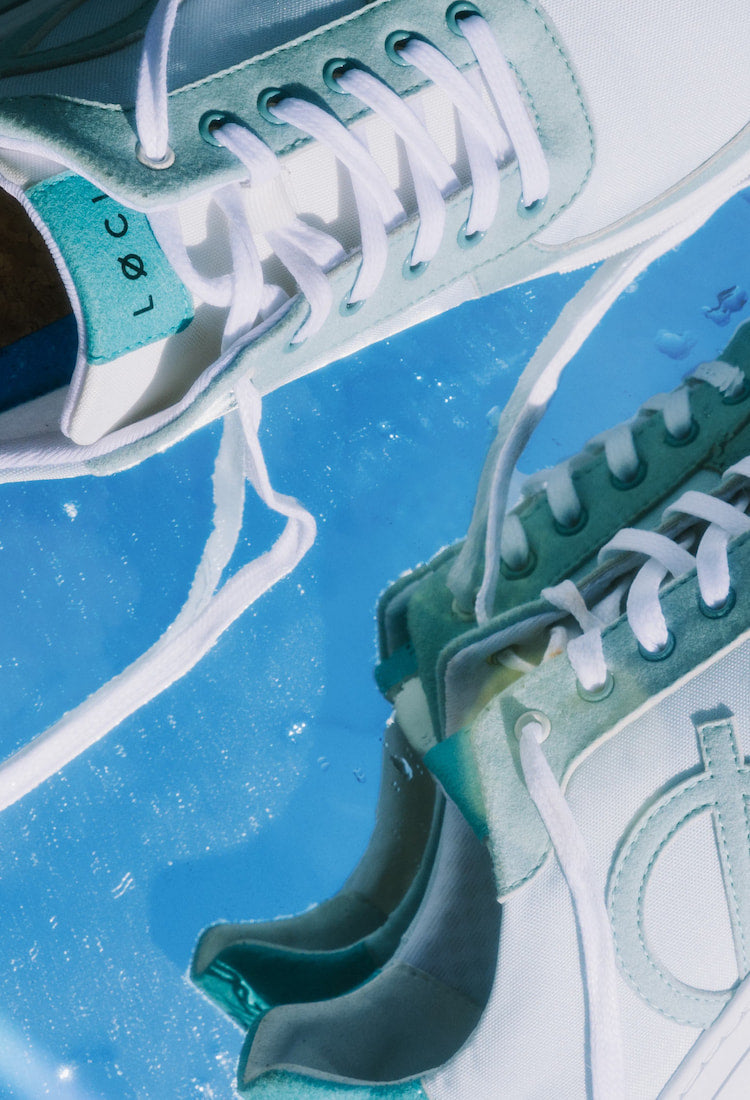
Choose sculpted, responsive cushioning for durable everyday grip.

4. Match versatile trainers to every outfit in your wardrobe
Start with a wardrobe audit: list ten favourite outfits and note recurring colours, prints, and silhouettes. Try candidate shoes with those outfits to see which pairs get the most wear, and why. Prioritise a primary neutral that harmonises with the majority of your clothes, then add a single textured or coloured pair to provide contrast when you want to vary your look. Choose silhouettes that span formality levels so each pair serves multiple roles. For example, a low-profile trainer works with jeans and dresses, a sleek loafer complements tailoring and skirts, and an ankle boot suits trousers and dresses. Confirm versatility by pairing each shoe with both casual and more polished outfits, and record which combinations recur in practice. Versatile choices streamline your wardrobe, reduce unnecessary purchases, and make it easier to dress with intention.
Match your shoe proportions to your outfit. Pair slim trousers with low-profile trainers or sleek sneakers, choose styles that finish at the ankle for cropped trousers, and opt for low-profile or mid-heel options with midi skirts. Photograph combinations and judge balance from multiple angles. Use texture and finish to signal occasion and personality: matte or woven surfaces tend to read casual, while smooth, polished finishes read smarter, and minimal hardware keeps looks adaptable. Finally, pick finishes that echo the fabrics you wear most, and consider removable insoles or simple accessories to subtly alter a shoe’s character for different outfits.
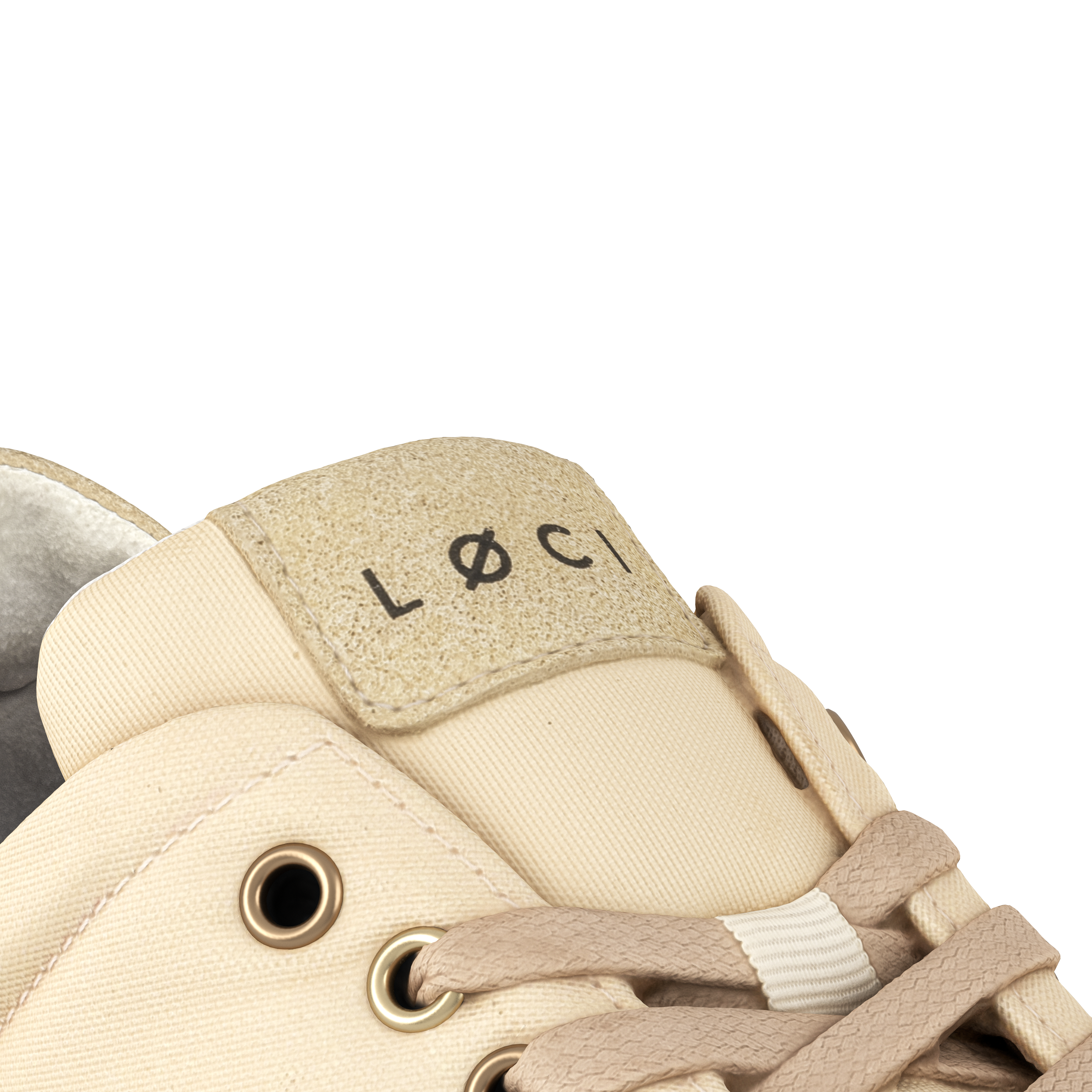
Anchor outfits with a structured, everyday base.

5. Confirm ethical credentials and care to extend your trainers' longevity
When evaluating vegan trainers, check third-party material and chemical verification, such as recognised vegan certification and textile safety marks, and read the certification pages for details on materials listed as PU, microfibre, recycled PET, and cork. Certifications confirm the absence of animal-derived components and show that fabrics have been tested for harmful substances, so you can compare products on objective criteria. Also assess supply chain transparency by confirming the country of manufacture and requesting audit summaries or modern slavery statements, because published factory lists, audit reports, and worker welfare policies provide concrete evidence about who made the trainers and under what conditions.
Alongside verifying certifications and supply-chain transparency, prioritise construction and repairability when choosing trainers or sneakers: favour stitched, welted, or otherwise replaceable soles, visible reinforced stitching at high-wear points, and removable insoles. Stitched footwear can be resoled and repaired far more readily than fully glued styles, which commonly delaminate. Follow material-specific care to preserve performance. Wipe smooth synthetics with a damp cloth and a mild, pH-neutral soap. Brush synthetic suede gently. Spot-clean cork and natural-fibre insoles, then allow them to air dry. Avoid high heat, tumble drying, and abrasive cleaners, which weaken adhesives and fibres. Finally, check end-of-life options and packaging. Ask whether components are recyclable, whether the maker offers repair or take-back programmes, and whether packaging is minimal and recyclable. Clear material separation and documented repair services make long-term ownership and recycling more achievable.
Bringing these checks together, everyday vegan trainers and sneakers should balance sustainable materials, a well-fitting shape with steady midfoot support, durable soles with consistent traction, versatile styling, and documented ethical practices to perform day to day and reduce waste. To evaluate candidates, look for labelled recycled content and recognised certifications such as GRS or OEKO-TEX, check for removable insoles and firm heel-cup stability, inspect outsole construction for denser compounds in high-wear zones, and try styles with several outfits to judge versatility and likely wear patterns. These practical checks provide clearer evidence of longevity, comfort, and supply chain integrity than marketing claims alone.
Use the fit and sole tests, check material labels, and run the wardrobe trials outlined in this guide when you shop, so you pick trainers that fit your feet and slot into your wardrobe rotation. These quick checks reduce the risk of blisters and early replacement, and help you prioritise makers whose materials, provenance, and working practices you can verify.