
Which three artist stories best connect audiences to materials, craft and purpose?
We live among objects whose origins are often invisible, so many pieces feel detached from the people who made them. How can artists use storytelling to reconnect audiences with the materials, the craft and the purpose behind each object?
This post explores three practical story types: tracing material journeys and sensory origins; unpacking the maker's craft process; and framing purpose through impact stories. Each approach reveals provenance, technique and intention, helping readers understand how objects are made and why they matter.

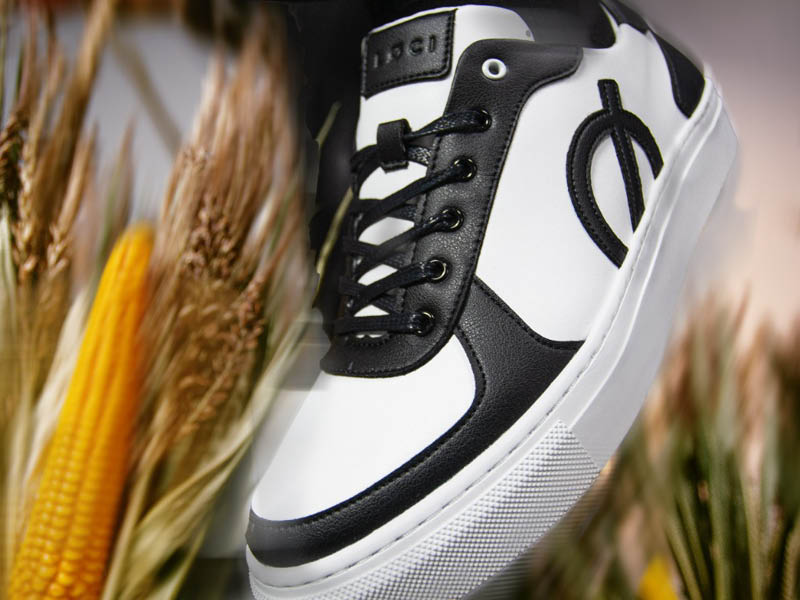
1. Trace material journeys and reveal the sensory origins of sustainable trainers
Make provenance visible. Trace materials from source to finished piece by interviewing suppliers and makers, and compile a concise provenance timeline with photographs, swatches and short quotes that reveal the extraction, processing and finishing stages. Conduct a sensory inventory using standardised prompts to record colour, texture, temperature, weight, sound and scent, and apply precise descriptors such as crisp grain, warm weight, metallic ring, resinous scent or suede nap tied to the stage that produced them. Back these notes with straightforward, low-tech tests: rub edges, flex joints, tap samples and include annotated photos or short films so readers can see how those results point to specific techniques, density and maintenance needs. Present findings clearly so others can assess care, durability and ethical considerations.
Design tactile-first experiences that let people feel quality before they read the backstory. Provide clear labelling for handling, paired swatches and concise process notes, and host touch-focused displays or workshops so audiences form sensory connections. Photograph or film each test and annotate what the results reveal about technique, durability and maintenance so evidence sits alongside sensation. Translate material findings into cause-and-effect craft narratives that link a specific technique to a tactile or visual cue, for example stitch spacing on trainers that signals handwork or tool marks that reveal finishing choices. Include lifecycle and repairability information and cite observable signs such as wear patterns and finish abrasion so readers can draw their own conclusions about purpose and quality.

2. Unpack the maker's craft: from raw materials to finished form
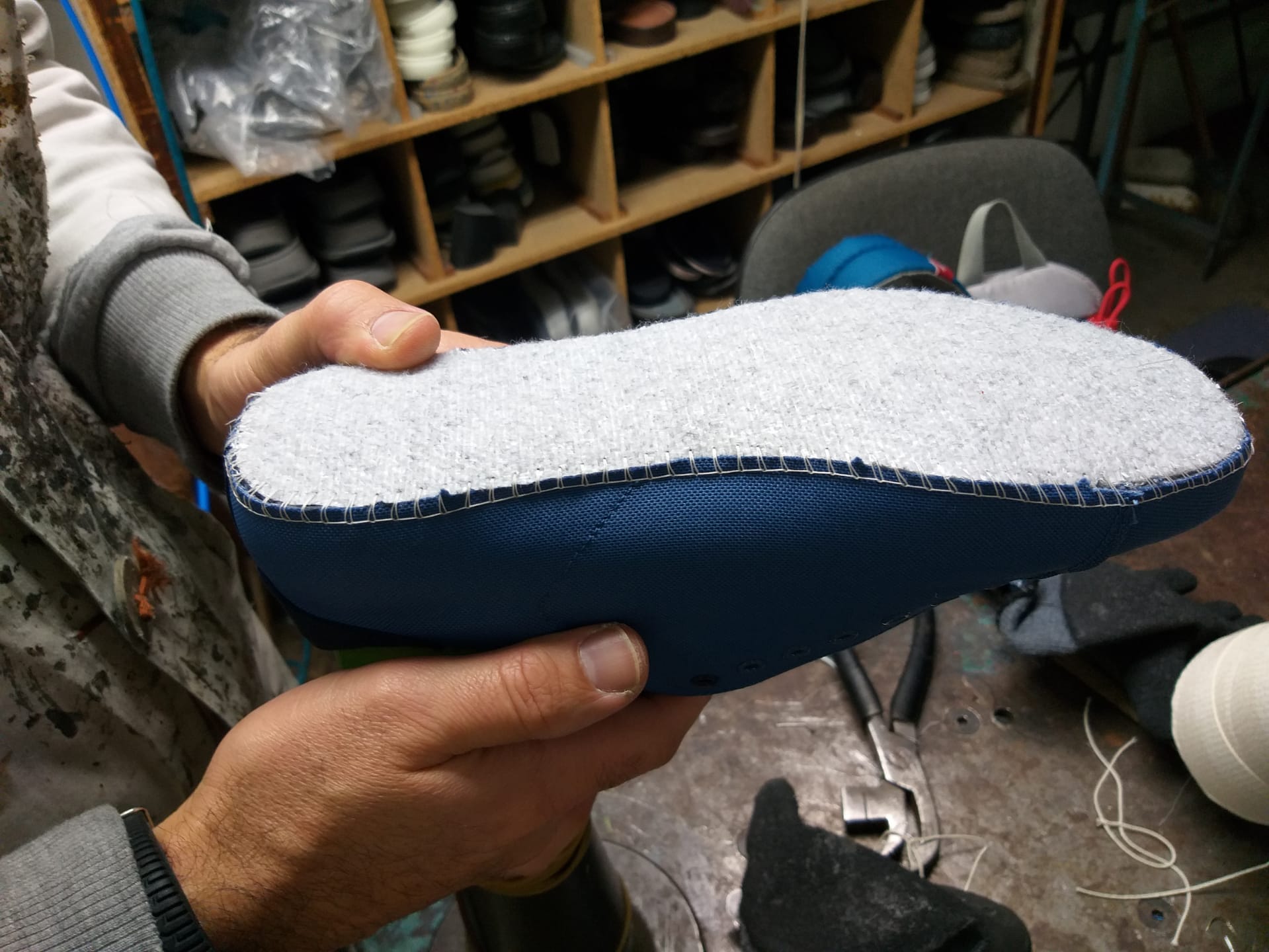
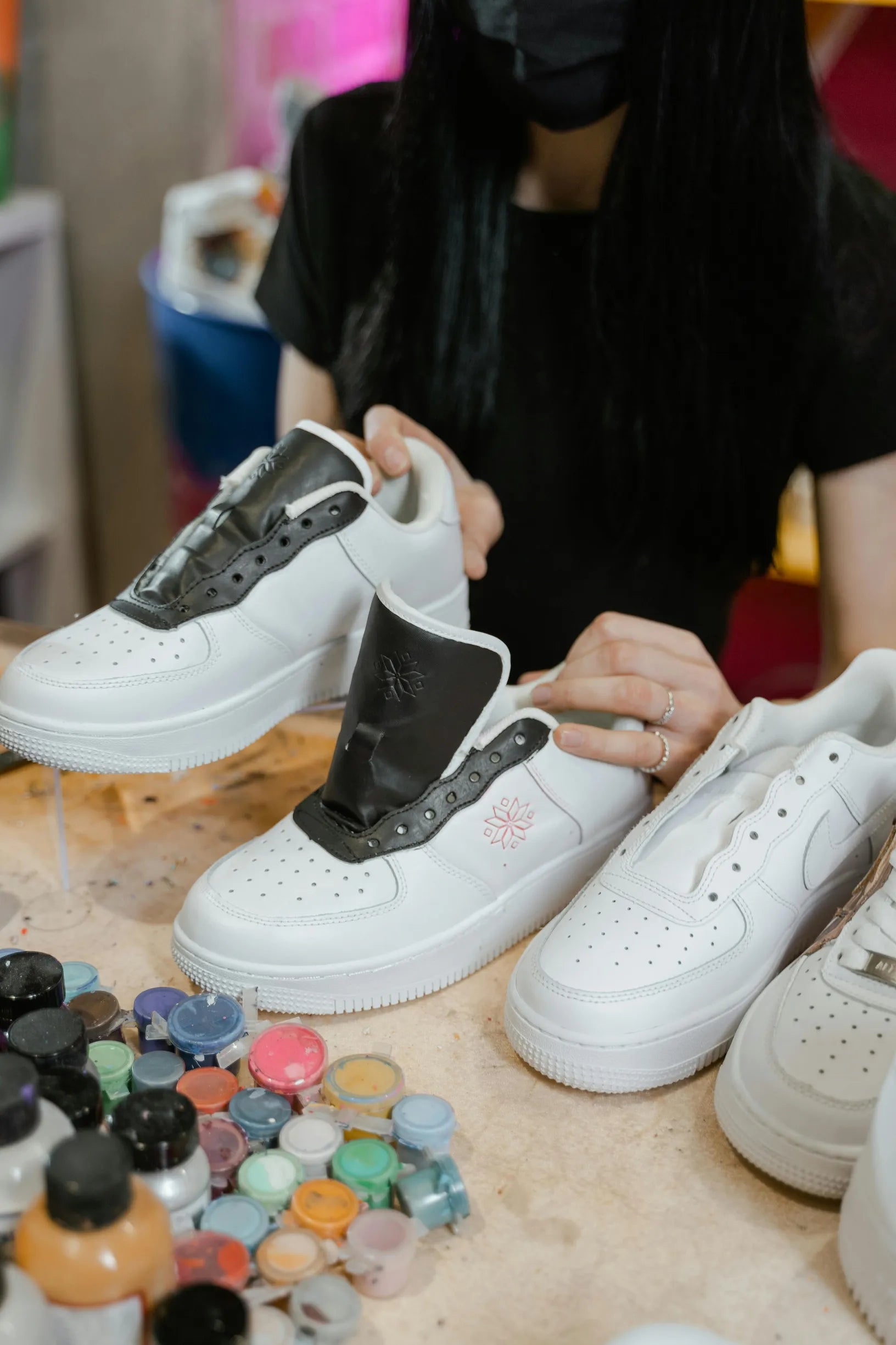
Make the process transparent. Use close-up photographs or sketches with short captions to show, step by step, how each action alters surface, shifts weight and changes balance. Map the material journey by naming species or grades, explaining selection criteria and noting provenance, and document bend, abrasion and colourfastness tests to link raw inputs with the finished piece’s performance and appearance. List tools, tolerances and the trade-offs between techniques, for example a hand-tool finish versus a machine finish, so readers can understand how choices support function, longevity and sustainability.
Keep a concise failure log that records what went wrong, the diagnostic steps taken and the corrective actions applied. Pair these notes with before and after images to make problem solving visible. Describe simple, repeatable tests and explicit outcome criteria, such as load points and wear simulations, to show how craft decisions are validated. Explain how finishing methods, joint tolerances and material choices change maintenance needs and ageing patterns so readers can infer long-term behaviour. Taken together, these elements let an informed reader trace how technique, test results and iteration shape both the immediate look and the enduring performance of an object, whether a pair of trainers, high tops or other fashion pieces.

3. Showcase purpose through vivid impact stories that inspire action
Present clear metrics alongside provenance so readers can assess impact at a glance. Highlight percentage reductions in material waste, gains in durability, and numbers of artisans supported as call-outs or simple infographics. Pair these figures with a visual material timeline that traces raw materials through processing to the finished pair of trainers, supported by supplier statements or provenance documents to make sourcing decisions easy to scrutinise. Include short, first-person artisan accounts, close-up images and brief process clips to demonstrate techniques and show visible results in finish and longevity.
Use clear comparative evidence to frame environmental and social impacts, for example publishing lifecycle comparisons against common alternatives and independent lab testing where available, so readers can weigh trade-offs with data. Describe community benefits such as skills preservation and local supply chains to show the wider purpose beyond a trainer or sneaker. Create invitations for participation that ask owners to submit repair stories, before-and-after photos and longevity reports, then surface that input in live tallies or case studies. Together these elements make purpose verifiable, helping shoppers connect material choices and craftsmanship with measurable outcomes.
Reveal provenance, technique and intention to reconnect people with the materials, craftsmanship and purpose behind every piece. Practical tools such as provenance timelines, sensory inventories, annotated process steps, failure logs and impact metrics make those connections visible and verifiable.
Revisit the three approaches: trace material journeys and sensory origins, unpack the maker’s craft process, and frame purpose through impact stories. Seek clear evidence that links materials and methods to performance and care. Test materials where possible, request provenance and test results from makers, and record repair and longevity information so objects demonstrate their value through use.