

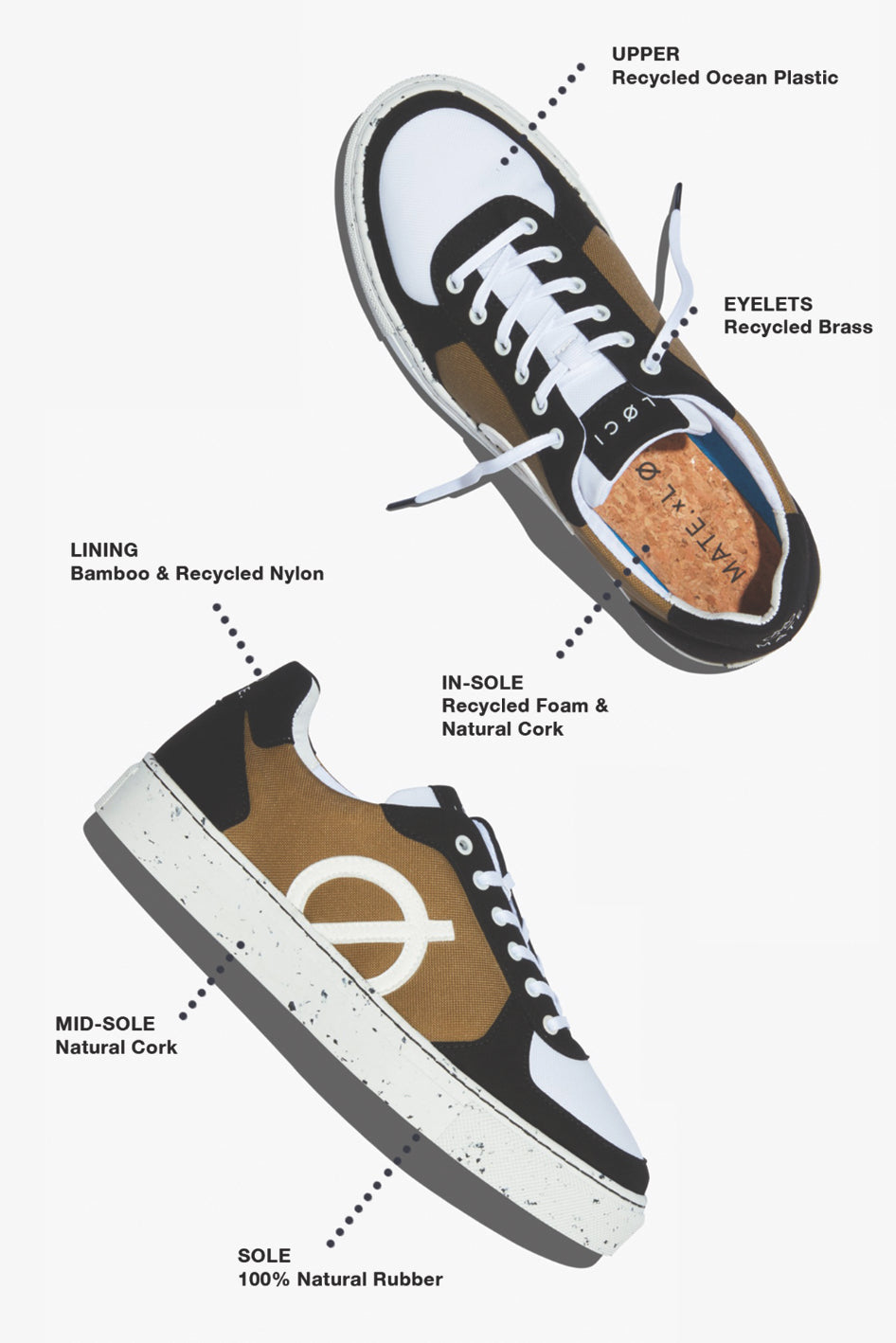
3 Trade-offs to Expect When Choosing Sustainable Vegan Trainers, and How to Balance Them
Choosing vegan trainers that are genuinely sustainable means balancing trade-offs between materials, durability and performance. Materials, manufacturing and end of life determine a shoe's environmental impact, so a vegan label alone does not guarantee a smaller footprint.
Learn to assess material choices by their lifecycle impact, prioritise durability while planning for circularity, and balance performance, comfort and ethical transparency. Practical questions and clear strategies will help you match a trainer's environmental impact to your values and everyday needs.

1. Assess materials for their full life cycle environmental impact
When assessing material choices for trainers or sneakers, insist on independent lifecycle data such as carbon footprint per pair, water use per pair, percentage of recycled content and clear notes on end of life recyclability rather than relying on marketing phrases. Balance durability against biodegradability by prioritising measurable longevity; materials that resist abrasion and have replaceable soles often prevent more waste over a product lifetime than a compostable upper that wears out quickly. Check abrasion ratings, stitch quality and whether components are easily separable for repair or recycling. Factor in microplastic risk from fibre shedding during wear and washing, and favour tightly woven natural-fibre uppers, coated textiles where appropriate, or designs that minimise synthetic surface area when this matters to you.
Be pragmatic about end of life. Favour single-material constructions or components that are easy to separate for recycling. Always check that local recycling or industrial composting facilities will accept the materials you choose. Where collection and processing infrastructure is limited, a longer-lasting, repairable design typically has a lower overall environmental impact than a material that is theoretically compostable but ends up in landfill. Use a simple scoring system that weights embodied carbon, water footprint, recyclability, microplastic risk and expected lifespan, then score each material against those metrics to identify the option that best matches your priorities and local disposal realities.

2. Prioritise durability, plan for circularity
When choosing sustainable vegan trainers, balance durability against recyclability. Durable synthetics and dense rubber often last longer, but multi-layer constructions and chemical treatments can make mechanical recycling difficult. By contrast, mono-material uppers and single-material soles are much easier to recycle, so check the composition and favour clearly labelled materials. Look for stitched or welted joins, visible stitching, and information that the shoe can be resoled, because these features allow straightforward repair. Fully glued assemblies usually prevent disassembly, so verify repair options before buying. Replaceable insoles, clear repair pathways and comprehensive material labelling all help reduce uncertainty at the point of purchase.
Designs that favour disassembly make take-back and recycling far simpler. Removable panels, mechanical fastenings and fewer material types help systems process items more effectively, and keeping original packaging and product information with a product supports those routes. Maintenance is one of the best ways to extend life: clean uppers with the right cleaners, dry them naturally, rotate pairs to spread wear and tackle quick fixes such as restitching or sole patching. Locating a local cobbler or keeping basic repair supplies on hand can delay replacement. Be realistic about end of life: many recycled trainers are downcycled into lower-grade materials, so prioritise extending use, re-use, formal take-back schemes or donation, and choose items with clear, transparent end-of-life pathways.

3. Balance performance and comfort while insisting on ethical transparency
Different vegan materials used in trainers and sneakers produce distinct real-world outcomes. Recycled polyester tends to be durable and wicks moisture, but it can feel less breathable than natural fibres. Plant-based leathers vary widely in flexibility and abrasion resistance. Polyurethane leather is more water-repellent but often scuffs sooner. You can assess performance with a few simple checks: compress the midsole to gauge rebound, walk indoors for a few minutes to test breathability, and flex the upper to observe how well it recovers. Those quick tests reveal the trade-offs between breathability and durability, or softness and abrasion resistance, allowing you to compare models on measurable criteria.
Use a simple decision framework to match features to intended use when choosing trainers, sneakers or high tops. For running, favour lightweight, responsive midsoles and a snug heel. For cross training, choose firmer midsoles and a multidirectional tread. For everyday walking, opt for softer insoles and a wider toe box. Decide your top three priorities, then eliminate models that fail two or more criteria to narrow options objectively. Look for transparency that substantiates ethical claims: a full material breakdown, named factory locations with audit reports, recognised third-party certifications or independent chemical testing, and life-cycle assessments that show whether greater durability offsets material impacts. Preserve comfort and reduce environmental cost by locking the midfoot with adjusted lacing, using removable insoles, rotating pairs to let cushioning recover, following gentle cleaning guidance, and asking retailers for precise material percentages, replaceability or recyclability of parts, and any supply chain or lab documentation to compare trade-offs.
Choosing truly sustainable vegan trainers means weighing material impacts, realistic end-of-life options and everyday performance. Prioritise lifecycle data, favour durable, repairable construction and try them on to ensure environmental goals match real-world wear.
Rate designs on carbon footprint, water use, recyclability, microplastic risk and expected lifespan using a simple scoring system. Favour single-material constructions or designs with replaceable components where local recycling is limited. Carry out basic on-foot checks, factor in maintenance and repairability, and request material breakdowns, lifecycle assessments or audit reports from retailers so you can make an evidence-based choice.


