
How to Choose Vegan Trainers Built to Endure Daily Wear
Looking for vegan trainers that still look good and stand up to daily wear? Common complaints include flimsy construction, rapid tread wear, and hotspots that rub uncomfortably, which can turn a practical choice into a disappointment.
Use this guide to choose durable plant-based materials, assess construction, sole grip, and weather resistance, and prioritise fit, support, and all-day comfort. It also includes practical tips for pairing versatile trainers with your wardrobe, plus straightforward maintenance and simple repairs to extend their lifecycle.

How to choose durable vegan materials for trainers
When you choose vegan sneakers or trainers, remember that material families behave differently. Coated textiles and polyurethane finishes resist abrasion and moisture, microfibre delivers high tensile strength with decent breathability, and plant-based or mycelium leathers vary in grain density and backing, which affects tear resistance. Test surface treatments by splashing a few drops of water: liquids that bead indicate water resistance, while those that soak in will need more care. Inspect seams, tongue joins, and stitch lines, where moisture and dirt commonly enter. For outsoles, favour dense rubber or thermoplastic compounds, multi-directional tread, and visible lug depth. Denser compounds compress less, so they retain profile and grip longer than shallow, smooth soles.
Start by inspecting the stitching, reinforced toe cap, firm heel counter, and how the sole attaches to the upper to spot likely failure points. Bend the trainer at the ball of the foot to confirm the correct flex, and lift the upper slightly from the sole edge to check for early creasing or separation. Factor repairability into your choice: favour uppers that wipe clean and accept topical treatments, removable insoles, and constructions with stitched sole joins or replaceable components. These practical checks help you predict service life and make it easier to extend use through resoling or targeted repairs.
Grab durable joggers for maintenance and everyday movement.

How to assess sneaker construction, sole grip, and weather resistance
Start with the upper and its attachments. Dense woven textiles, microfibre, plant-based leathers, and bonded overlays resist abrasion better than thin coatings. Gently flex the trainer and pinch high-stress areas as you inspect stitch lines and welded seams. Multiple rows of stitching, or taped seams at the toe and heel, indicate construction built for repeated strain, while flaking coatings or loose edges suggest early failure. Check how the sole joins the upper: stitched or welted joins allow resoling, and generally outlast purely cemented soles. Run a fingernail along the outsole edge; if the nail catches thread, that usually indicates a sewn connection rather than a glued seam. These simple inspections reveal which trainers are built to withstand regular use.
After checking the upper, assess the sole compound and tread pattern to judge grip and longevity. Firmer rubbers and thermoplastic rubber resist abrasion better than soft foams. Look for multidirectional lugs and siping (small slits that help eject water and increase bite), and a sole wrap around the heel to improve wet-weather traction. Press the tread to gauge hardness, and make sure the lugs are deep enough to shed mud and debris so the sole keeps consistent contact. Test weather resistance by sprinkling a little water on an unobtrusive patch to see whether droplets bead or soak in. Inspect for a gusseted tongue and taped seams, and check inside for a bonded membrane or a quick-drying lining. Plan simple maintenance to extend life: remove grit and salt after use, clean synthetic uppers with a soft brush or damp cloth, and apply a reproofing spray formulated for synthetic materials when water no longer beads. Rotate pairs to allow drying, avoid direct heat when drying, and favour trainers with removable insoles or serviceable soles if you want footwear that survives daily wear.
Pair with a breathable mid‑weight fleece for post-wear comfort.

Prioritise fit, support, and all-day comfort for confident movement
Start by checking fit. Stand wearing the thin liners or the pair you will normally wear, trace and measure your foot, and compare those dimensions with the supplier's size guide. Aim for roughly a thumb's width of space at the toe so your toes can flex when you walk, and a snug heel that does not slip to reduce rubbing and blisters. Assess support with a wet footprint to reveal your arch type, and remove the insole to inspect its shape and firmness. If your arch is higher, favour firmer arch support; if your wet print shows a flatter profile, choose thicker cushioning so pressure distributes more evenly across the foot.
Once fit looks right, run a short set of practical comfort tests to reveal construction quality. Press the heel counter to assess stabilisation, as it should feel firm without digging into the Achilles. Twist the sneaker to judge torsional control; minimal twist indicates better support for lateral movement. Bend the forefoot to confirm the sole flexes at the ball of the foot, not mid-sole. Walk a few indoor laps to detect hotspots or rubbing, and inspect upper fabrics for ventilation, abrasion resistance, and stretch. Favour ventilated weaves or perforations, and washable, replaceable liners and insoles to manage moisture. Examine the outsole tread for multi-directional grip. Press the midsole to check rebound and compression recovery, a quick spring-back signals good energy return. Finally, look for reinforced rubber in high-wear zones to reduce rapid abrasion.
Quick checks for fit, support and all-day comfort
- Verify fit before you buy: stand in the socks you will wear, trace and measure your foot, compare dimensions to the supplier size guide, aim for about a thumb's width at the toe, and ensure a snug heel with no slip.
- Check arch and insole compatibility at home: do a wet footprint to reveal your arch type, remove and inspect the insole for shape and firmness, favour firmer arch support for higher arches, and choose thicker cushioning if your footprint shows a flatter profile so pressure distributes more evenly.
- Assess construction and immediate comfort: press the heel counter to judge stabilisation, twist the shoe to test torsional control, bend at the ball of the foot to confirm the sole flexes in the right place, then walk a few indoor laps to identify hotspots or rubbing.
- Inspect ventilation, outsole durability and care features: look for ventilated weaves or perforations and washable or replaceable liners and insoles to manage moisture, press the midsole to check rebound and compression recovery, and examine outsole tread and high-wear zones for reinforced rubber to reduce rapid abrasion.

How to style versatile trainers with any wardrobe
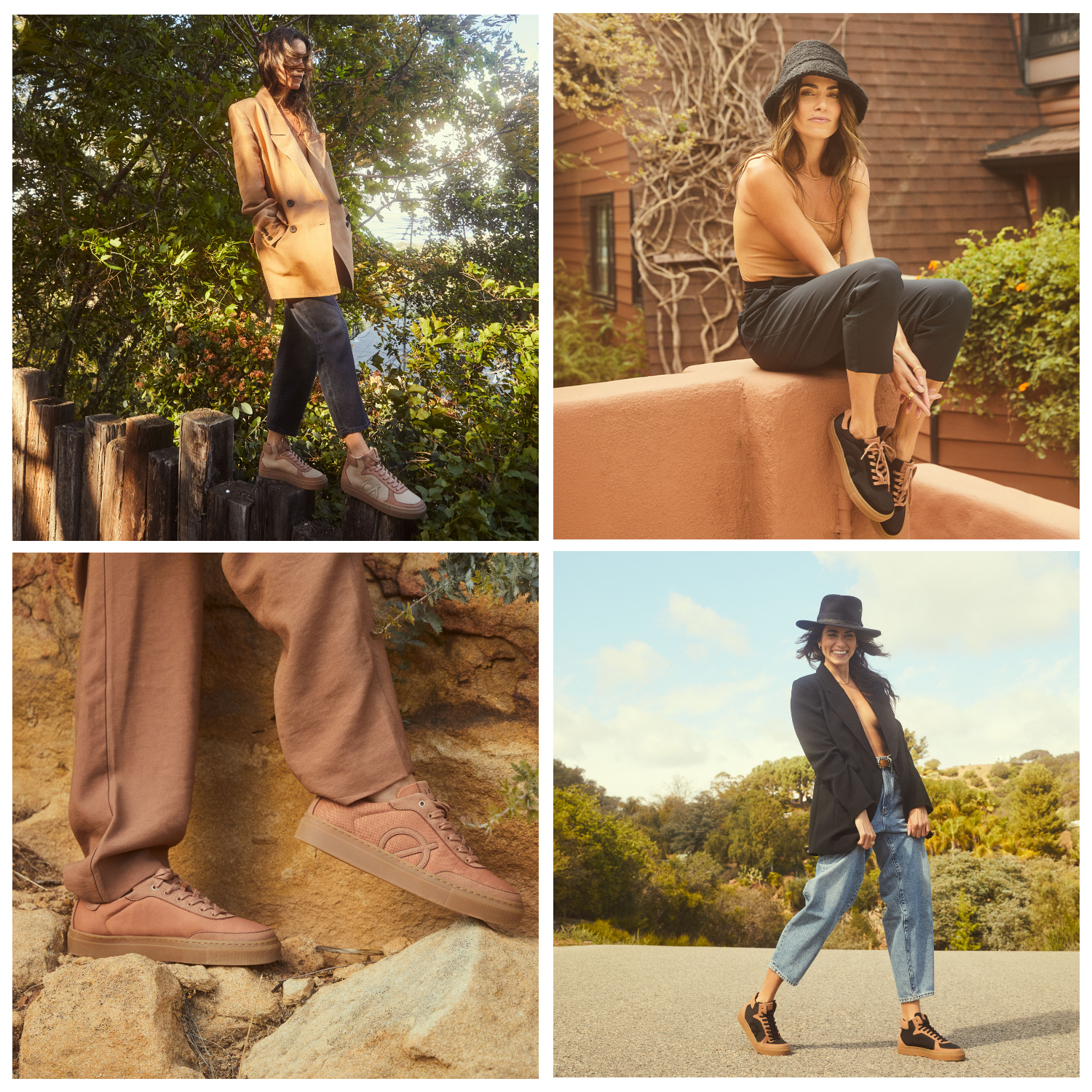
Begin with a restrained palette: two neutrals and one accent. Lay outfits together and photograph each combination to see which trainer colours recur. Match trainer silhouette to the dominant shapes in your wardrobe. Slim, low-profile trainers create a streamlined line under tailored trousers and midi skirts; chunkier trainers add weight and balance to relaxed jeans and oversized coats. Test proportions in motion: stand, walk, and sit while you try them on. Seeing trainers on the move prevents unexpected clashes and helps them read as an intentional part of every outfit.
Choose materials and finishes to match the occasion and upkeep. Matte faux leather reads smarter and resists marks, so you can wipe it clean between wears; textile and mesh layer easily with knitwear and allow airflow on long walking days, reducing hotspots. Extend versatility with small styling moves: adjust ankle coverage or trainer colour, roll hems, or add a structured jacket, and echo a trainer colour in a belt or bag to tie a look together. Plan outfits around maintenance by reserving light-coloured trainers for garments you can launder or touch up, and always test protective treatments on an inconspicuous area to check colourfastness and finish compatibility. These considerations help you pick trainers that suit your wardrobe shapes, perform for the day ahead, and withstand regular wear.
Ground looks with a structured neutral sweat set.

How to maintain, repair, and extend your trainers' lifespan
When cleaning trainers with synthetic uppers, follow these steps: remove the laces and insoles, then brush away loose dirt. Spot-clean the uppers with a soft brush and a mild detergent, adapting your approach to the material: microfibre, knit, canvas, or synthetic leather. Microfibre repels water and stains more effectively than woven canvas, so use gentler cleaning and avoid harsh scrubbing to preserve texture and structure. Test any protectant formulated for synthetic materials on a hidden area first, then apply as directed. Reapply after heavy soiling or prolonged wet weather to slow oil and water penetration and reduce UV-related fading.
Repair where possible: fix sole separation with a flexible footwear adhesive, stitch or patch torn linings, and use resoling services when tread or midsole support is compromised. Rotate pairs to allow trainers to air and recover shape, remove and launder or replace breathable insoles, and neutralise smells with airing or absorbent powders. Lift scuffs on faux leather with a gentle cleaner and soft cloth, revive suede-like microfibre with a suede brush or eraser, and remove pilling from knit uppers with a fabric shaver. Targeting these functional and surface issues restores grip and cushioning, preserves adhesives, and keeps protective coatings effective so trainers last longer without replacing the whole shoe.
In summary, durable vegan trainers pair robust plant-based or synthetic uppers with dense rubber or thermoplastic outsoles and solid construction to resist abrasion, retain tread, and repel moisture. You can judge likely longevity and repair potential with three simple checks. Splash a few drops of water on the upper to check beading, since water that balls up and runs off indicates a water-repellent finish; bend the shoe at the ball of the foot to confirm flexibility without cracking or separation; and inspect stitch lines and sole joins for tight, even stitching and no gaps or glue residue.
Prioritise fit, support, and ventilation to keep trainers comfortable during long days and to reduce hotspot-related irritation and wear. Use the material, construction, styling, and maintenance steps above when choosing pairs that suit your wardrobe, deliver reliable performance, and minimise unnecessary replacements.